In a move to steady the market and get people in line, India has made it plain that its fuel reserves are in good order while at the same time warning off the siphoning of subsidised retail fuel for industry. It’s not a matter of scarcity, the government says, but of how the market is being run, and they are ready to put a stop to it for the sake of the everyday consumer and the farmer.
Why the clampdown matters
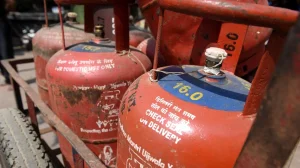
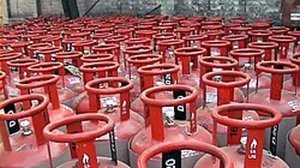
It all comes down to keeping prices in check. The oil ministry puts it this way: the state’s oil marketing arms are taking a hit of some Rs 550 crore a day on petrol, diesel and home LPG. That kind of cushion is for the people who fill up at the pump or buy for their homes, not for anyone else.
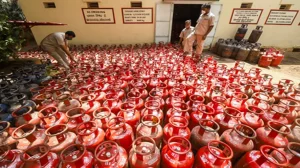
Some in the industrial side of things have been making a beeline for the retail counter to get in on that, moving away from their usual bulk orders. The ministry calls it arbitrage, and it has a way of creating a squeeze in some spots by drawing off what should be for regular buyers.
Market shifts signal arbitrage
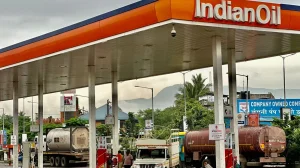
You can see the numbers in the data the government has put out. There’s been a 38 per cent drop in high-speed diesel for private retailers this month. On the other end, the PSUs have seen a 29 per cent fall in offtake from big industrial clients, with those figures showing up at the retail level instead.
What you have here is a case of channel hopping, not a failure to put product on the shelf. The Centre wants to put an end to that and let things run as they should.
Supply strength and production footprint
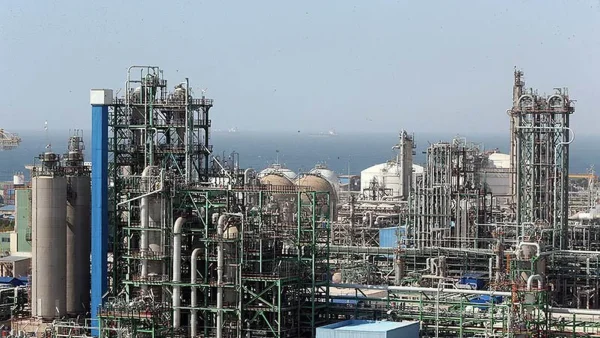
The ministry is pointing to the size of its operation to make its case. As the fourth biggest refining centre in the world, India has 22 refineries with a combined 258.1 million tonnes of capacity a year. In FY26 alone, that was enough to cover 243.2 million tonnes for the home front and still put 61.5 million tonnes of petroleum products into export.
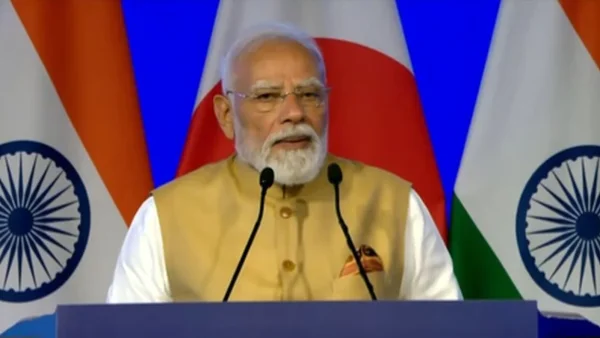
Hardeep Singh Puri, the Union Petroleum and Natural Gas Minister, has been in talks with the public sector OMCs, the states and the industry to make sure nothing gets in the way of supply. After a sit-down with the chief secretaries and heads from FICCI and CII, the ministry is of the view there is no shortage to be found in the field.
If you hear of a few local hiccups, don’t read too much into it, officials say. They put it down to the kind of distortion that comes with arbitrage, not any problem with making or moving the product.
Enforcement steps and industry responsibilities
To plug the holes in the system, the Centre has told the industry to make its members aware of where the line is. And to the states and UTs: we want you to put in special squads and use the law, like the Essential Commodities Act, to put a lid on any malpractice.
Here is what the government has put forward:
– Special enforcement to be on the ground in the states
– A hard line on hoarding and unauthorised storage
– No more letting bulk consumers divert what isn’t theirs
– Industry to do its part in educating members
There is also an appeal to the public to go by what is being said and not get caught up in rumours that make a mountain out of a molehill. We want to keep the channels steady and your access to fuel intact.
Prices, global backdrop and what to watch
Then there is the price tag, which is only going to be as volatile as the situation in West Asia. You’ve seen the numbers: a rise of some Rs 7.5 a litre for petrol and diesel, and Rs 6 for CNG, as the cost of energy from the Iran war is worked into the bill. The ministry is open about the link to international markets.
But for all that, the government stands by the fact that with our refining muscle and the way the Public Sector OMCs are run, we have a solid setup for energy security. It is what allows us to weather the storms from abroad.
So for the driver, it means business as usual at the forecourt. For the industry, the word is to stay in your lane with bulk purchases or you will be made to. If we can put a stop to the diversion, the retail side of things should be less of a flashpoint.
There is a larger point to be made here. With one hand on the throttle of compliance and the other assuring you of supply, the Centre is using India’s refining base to be an anchor for demand and a shield against the outside world, all while nipping in the bud any practice that makes for a tight spot at home.