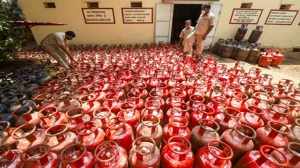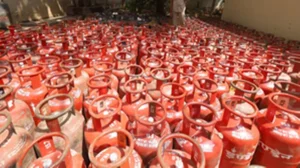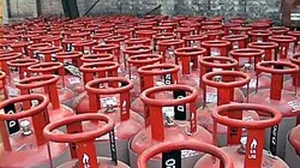
On Tuesday, the Indian gas companies started the cuts to industries. Government-owned buyers – GAIL and Indian Oil among them – told companies they would get less gas, as those who import gas tried to save what they had for power stations and fertiliser factories. Petronet LNG said it would get less gas from Qatar, where it usually gets a lot of its supplies.
Right away, supplies were cut and industries had to use less
GAIL and Indian Oil cut supplies to businesses which didn’t absolutely need gas, by between ten and thirty percent. They set a lowest amount companies had to take, to avoid breaking their agreements, but at the same time to save gas for the things the country needed most.
In Gujarat and Rajasthan, where making ceramics and chemicals needs gas from pipelines, businesses said the pressure in the pipelines was going down. Businesses will have trouble with their plans for making things in the short term, and if they can, will switch to other kinds of fuel.
How Qatar stopping and the Strait of Hormuz being closed caused the problem
Qatar stopped making gas after a big plant which makes LNG was damaged in the fighting in the area. This took a large amount of LNG out of the world market at once, making a big gap in supply for countries which depend on long-term contracts with Qatar.
Iran saying it would close the Strait of Hormuz made things worse. That narrow sea route usually carries about half of India’s oil, and most of its LPG – liquid petroleum gas – so if it were closed, there would be a risk of more problems with fuel and shipping.
Looking for gas at short notice, shipping costs going up, and the value of money going down
To make up for the gas that was missing, importers are planning to ask for bids for gas from other countries. But the price of LNG which isn’t tied to a long-term contract has gone up, and the cost of hiring ships and getting insurance has also risen sharply, making it much more expensive to buy gas in an emergency than it is under a long-term contract.
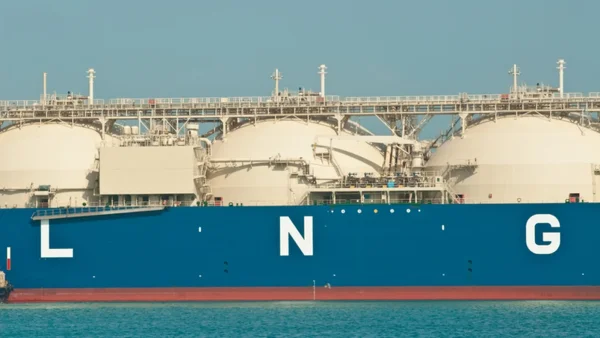
The price of gas on the market rose sharply, and the cost of hiring LNG tankers went up by 100% in the first 24 hours of the trouble. At the same time, the Indian rupee lost value against the US dollar, making any gas bought from far away even more expensive in India.
The government working together and emergency plans
The Ministry of Petroleum held a meeting of senior officials to look at how much fuel was available and how much it would cost. Officials are said to be looking at deals with other countries where the governments deal directly with each other, and arrangements to get gas in an emergency from countries in the area.
The plans the government is looking at include giving first place to households and essential services, asking for bids for gas centrally, and making short-term deals with neighbouring countries to keep supplies stable until it is safe to use the sea routes again.
How easily the economy could be hurt and the risks in the supply chain
This shows a problem with money and goods: the higher the price of LNG on the market, the weaker the rupee gets, making import bills bigger and putting up prices. Getting gas in an emergency from the US or Australia would mean it had to travel much further, and would cost more to ship, putting more strain on the country’s money.
Several LNG tankers which are owned by Indian companies are not able to go through the area where the fighting is taking place, which makes things less flexible. Because some places which store gas do not have much gas in them – some estimates say they only have enough for a few days, not weeks – industries may have to use less gas for some time, until shipping is safe again.
What will happen to industries and what this means for energy security
If the trouble goes on, there will be more competition for the LNG which is available, and those who can pay the most, or who have good relationships with other countries, will get it. Short-term problems may speed up plans to get gas from many sources, to store more gas, and to make a mix of long-term contracts and the chance to buy gas on the market, to be sure of a long-term supply, but also to have the chance to buy gas when the price is right.
Companies and people who make policy will watch the cost of shipping, insurance and the price of LNG closely. For now, rationing is meant to protect the most important supplies, but businesses should get ready for a long time when prices are changing a lot, and energy will cost more, which could affect the whole economy.
In the next few days, news about how safe it is to go through the Strait of Hormuz, what is happening at the plants in Qatar, and how the emergency plans to get gas are going, will decide whether the normal amount of gas can be given to businesses again.