An increasingly serious situation in the Middle East – including the war in Iran – is causing the LPG supply to shrink. With imports being stopped and homes getting first attention, restaurants and hotels in Punjab, Karnataka, Maharashtra, Andhra Pradesh, Telangana, and Tamil Nadu are getting fewer and fewer commercial LPG tanks, seeing costs go up, and facing the possibility of closing for a time if the shortages last.
LPG Supply Problems Hurt Hospitality
Home cooking gas is the priority of the authorities, so oil companies are cutting back, or stopping, the sending of 19kg commercial tanks in some of the above states. The aim is to protect households from being without gas, as world energy markets are unstable.
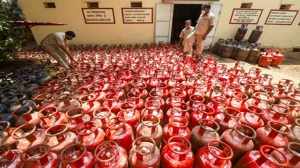
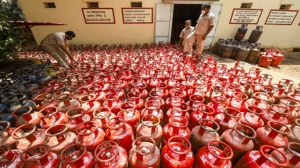
In big cities – Bengaluru, Mumbai and Pune – hotel owners say they are almost not getting any gas at all. Some suppliers say they have to wait a long time at the gas-filling places, and then go home with nothing. Groups representing the trade warn that if the difficulties continue, kitchens might have to do less, or close for a while.
Homes First, and New Rules for Orders
Officials have told oil works to make more LPG, and told suppliers to give home customers first place. To stop people building up stocks, and selling it on for profit, the amount of time households have to order LPG has been put up from 21 to 25 days, making the time between refills longer.
It is now taking between two and eight days in some cities for homes to get their refills. The stricter ordering rules, and the growing worry, have also made the online systems difficult to use. People who control the business, and groups representing it, are warning against taking home gas and using it for business – as this is dangerous, and against the rules.
Restaurants and Hotels Have to Work Harder
A lot of food places depend completely on commercial LPG for cooking. With so little gas, owners are making menus smaller, shortening hours, and giving the most attention to the foods people want most, to save gas. If the difficulties go on for more than a few days, owners are worried about having to let staff go, kitchens being stopped, and losses in money that will also affect the people who supply them, and the delivery companies.
Safety is still the biggest worry. People representing the business are warning against buying home gas through unofficial ways, or using things that have not been approved. These things might break the rules, and make the risk of accidents, problems with insurance, and fines go up.
Prices Rise, and Energy is More Unstable
The lack of supply is pushing prices up. The 19kg commercial tank has gone up by about 115 rupees, and the 14.2kg home tank by about 60 rupees since March 7th. This shows that imports are less, and that there is worry because of the trouble in the Middle East.
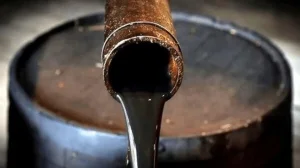
The risk in the world has got worse, as ships going through the Strait of Hormuz are being troubled – this is a very important route that usually carries a large part of the world’s oil. Reports of attacks on energy places, and the cutting back of production by countries in the area, have made markets even more unsettled. Brent crude has gone up sharply during this trouble.
Other effects are showing up in public services. In Pune, places where people are cremated with gas were closed for a time, because of limits on key LPG parts such as propane and butane. Some petrol sellers have been asked to pay before they get the gas, showing that suppliers are more careful about money, and risk.
What Governments are Doing, and Finding New Supplies
Finance ministers from the Group of Seven talked about the possibility of letting out oil from stores that countries keep for emergencies, together. No joint action has been decided, and even a large letting-out would only cover a couple of weeks of the usual flow through Hormuz, so would only be a short-term help, not a lasting one.
Indian officials say the country is unlikely to let out its oil stores with other nations, as India comes first. Instead, the government is looking for other LPG suppliers – with countries such as Algeria, Australia, Canada, and Norway showing they are interested. The authorities say that home users will still be the most important.
What Hospitality Businesses Should Do in the Next 30 Days
Hotel and restaurant owners can lessen the risks in the near future by taking certain steps. Check how much gas is in stock every day, move stock between places, and plan menus in advance to reduce dishes that use a lot of gas. Cook in large amounts during delivery times, and train kitchen staff to do different jobs to make preparation quicker, and reduce the time burners are on.
Where it is allowed, look at other things that can be used. In areas with gas piped into buildings, speed up changing to these. For a small amount of extra help, think about electric or induction equipment for business, with controls to keep costs down. Do not use gas that is not allowed, or make things up that might make insurance not work, or break safety rules.
Talking to customers clearly helps manage what they want. Put service hours, shorter menus, and how long people will have to wait in the shop, and online. Encourage people to order before they come, and pick up at different times, to make the busiest times smoother. For hotels, give the most attention to breakfast and large parties, while cutting back on room service menus for a time.
Make financial planning tighter for the unstable situation. Work out what would happen if you had 20 to 40 percent less customers, keep money safe, and talk to landlords and suppliers about being able to pay in a flexible way. Look at insurance for stopping supply, and check local or state help that might support wages or bills.
What to Look Out For, and What Might Happen
Important signs are what suppliers say each day about how much gas there is, how busy ports are, and what the ships carrying gas are doing, how much Brent crude costs, what is happening to ships through Hormuz, and how quickly new LPG deals are being made. Also watch for changes in how much oil works make, and what other suppliers say they will do.
The most likely thing is that shortages will come and go for several weeks, until oil works make more, and new gas arrives. If the trouble is made less serious quickly, supply chains will be easier sooner. But if the trouble near Hormuz goes on for a long time, the shortages could get worse, and more restaurants and hotels might have to close.