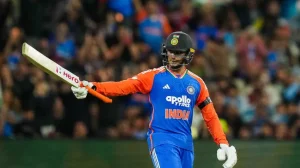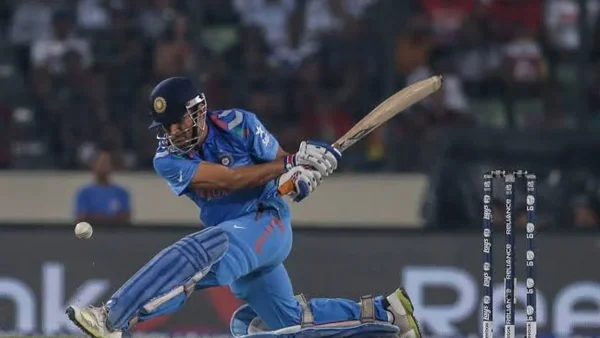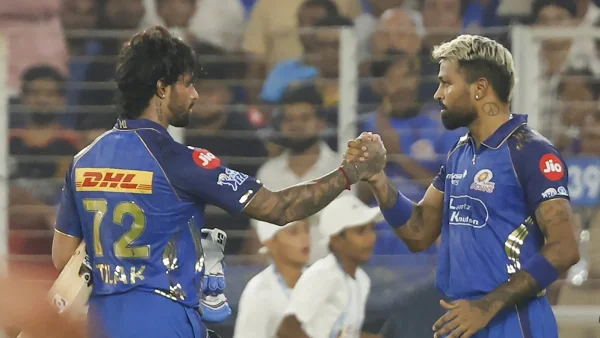
India and New Zealand are in the ICC Men’s T20 World Cup 2026 final in Ahmedabad, and it’s certain to be a really difficult game. India are the current champions, and have the benefit of playing at home, and more than 130,000 fans are expected. New Zealand have a World Cup record against India that will make the home team nervous.
Match Context and Stakes
This final on March 8th has a lot of history, and a lot at stake. India could be the first team to win two T20 World Cups one after the other, and the first to win the trophy at home. New Zealand could expand a rare World Cup success against India, and win another major championship.
The atmosphere in the stadium will affect the game. A full stadium in Ahmedabad will make a lot of noise and give the game a lot of energy, making every single moment more important. In that kind of setting, what strategies the teams choose, how well they play during the powerplay, and how well they bowl at the end of the innings could decide who wins.
Head-to-Head and World Cup History
India and New Zealand have had a competitive T20 rivalry in both series of games between the two countries, and in tournaments. They’ve played around 30 T20 international matches, with India generally doing better, but New Zealand have had a number of memorable victories. Their games often change quickly and have dramatic endings.
In the T20 World Cup, New Zealand have an unusual advantage. The Kiwis have beaten India in every World Cup game they’ve played, including a 2007 win when spin bowling was the most important thing, a 2016 loss when India’s batting collapsed on a turning Ahmedabad pitch, and a 2021 win where they easily chased down India’s score, ending India’s run in the tournament early. This World Cup pattern adds a mental element to this final.
Recent Results, Records and Extremes
Recent games between the two sides have had very high and very low scores. India made 271/8 in 2026 – the highest score in the tournament so far – while New Zealand replied with 225, which shows that either team can score a lot of runs. However, New Zealand were all out for 66 in 2023, and India were all out for 79 in the 2016 World Cup game.
These high and low scores show how unpredictable T20I games between India and New Zealand are. How deep the batting line-up is, how well the team can play against spin bowling, and how well they do under pressure have all determined the results. Those things will be in the minds of both captains on the final day.
Recent Form and Team Strategies
Under Suryakumar Yadav, India have started to play more aggressively with the bat, depending on strong hitting from the top and middle of the order. A 4-1 win in a series of games against New Zealand earlier showed how well India can play outside of World Cups, but their form in the tournament has been inconsistent.
New Zealand continue to have their usual calm and clever use of spin and fast bowling. The Black Caps have shown that they can take advantage of the particular weaknesses of other teams, especially those that have trouble against good spin bowling. In a final, how well they play and stay calm under pressure could be what decides the result.
Pitch, Weather and Tactical Considerations
Narendra Modi Stadium usually has good bounce and helps batters in T20s, with some early movement for fast bowlers and some spin for spinners in the middle of the innings. The average first innings score is close to 170, but high scores are possible on a flat pitch.
Evening dew is likely, and could help the team that bats second, so the captains who win the toss may want to bowl first. The forecast says the skies will be clear and the weather warm, so the whole game should be able to be played without being interrupted by the weather. The captains will plan for the dew, the size of the boundary, and changes to the bowling accordingly.
Probable XIs and Players to Watch
The India XI that is expected to play includes Abhishek Sharma, Ishan Kishan, Tilak Varma, Suryakumar Yadav, Hardik Pandya, Shivam Dube, Rinku Singh, Axar Patel, Arshdeep Singh, Varun Chakravarthy, and Jasprit Bumrah. The New Zealand side that is likely to play lists Finn Allen, Tim Seifert, Rachin Ravindra, Glenn Phillips, Mark Chapman, Daryl Mitchell, Mitchell Santner, James Neesham, Matt Henry, Lockie Ferguson, and Jacob Duffy.
There is debate about whether Abhishek Sharma and Varun Chakravarthy should play, as both have been in and out of form. A well-known former batter has suggested changes which include making Ishan Kishan an opener, adding Rinku Singh for more depth, and thinking about Kuldeep Yadav for his spin on flat pitches. These suggestions show how matchups and form could make the captains make bold decisions.
As the final gets closer, the story of the India vs New Zealand head-to-head mixes statistics, recent form, and the psychology of the World Cup. Expect a tactical game of chess to be played at a fast pace, where one good over or a tight spell of bowling at the end of the innings could decide who the champion is.