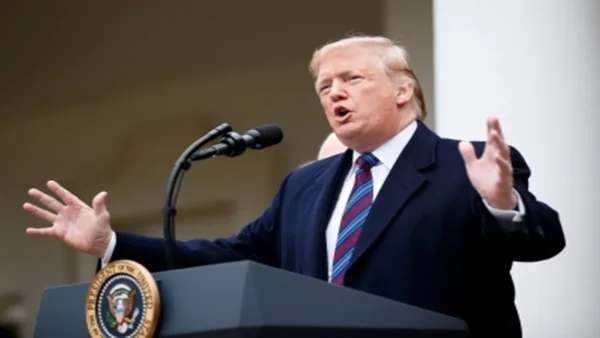
President Trump said the U.S. allowing India to get this specific Russian oil is a practical way to keep oil flowing and prices steady, as trouble in areas where important oil tankers travel is increasing because of Iran. He explained this while on Air Force One.
What the 30-day waiver covers and why it was issued
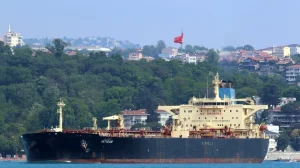
U.S. officials have said India’s oil refineries can now accept Russian crude oil that was already on ships at sea when new punishments were put on Russia – it had become stuck. This applies only to that oil that’s already sailing and isn’t a bigger change in how the U.S. deals with Russia.
Scott Bessent, the Treasury Secretary, said the U.S. had previously told India to stop buying sanctioned Russian oil. However, because of the changing and worrying security situation in the Middle East and the Gulf area, they’ve allowed India a temporary bit of flexibility. He said India is a very important partner, and this is just a temporary solution.
Chris Wright, the Energy Secretary, said this is a quick way to control oil prices and make sure the oil keeps coming. There are tankers of oil waiting offshore that can be processed quickly and put back on the market, which will lessen difficulties in a complicated shipping situation.
Trump’s message: take pressure off the market
Trump said he would think about doing more, even using the Strategic Petroleum Reserve, if needed to reduce problems. He also believes there’s still plenty of oil in the world, even with these political issues, and the market will recover quickly once the problems with shipping are sorted out.
What Trump said is part of the administration’s plan to get oil that’s already in transit moving, make shipping work better, and reduce the extra cost that’s being added to the price of oil because of risks around the Strait of Hormuz. The White House hopes to reduce short-term price swings without completely changing their long-term punishment plan for Russia by letting India use the stuck oil.
India’s energy position and the Hormuz choke point
India gets about 40% of its oil from the Middle East, and a lot of that goes through the Strait of Hormuz. Because of security issues disrupting schedules and insurance, India is constantly (multiple times a day) looking at its energy situation, but says it currently has enough oil.
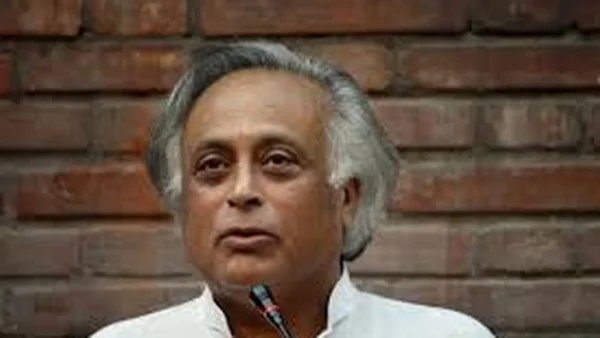
Hardeep Puri, India’s Petroleum Minister, says India doesn’t have an oil shortage and consumers don’t need to worry. He posted on X (formerly Twitter) that being able to afford oil and having a continuous supply are the most important things, and they’re getting more oil every day from many different places, even routes that don’t use the Strait of Hormuz.
India has been getting oil from a wider variety of countries in the past few years. Since 2022, the amount of oil they get from Russia has gone from almost nothing to a significant amount of their monthly oil use. Sources in the government said in February, about 20 percent of India’s total oil, or almost 1.04 million barrels a day, came from Russia.
How the waiver could influence prices and flows
This 30-day period will allow Indian refineries to quickly use the Russian oil that was shipped before the punishments were put in place. This will stop the oil from being sent off in other directions and from the costs of ships waiting (demurrage) going up. Lowering shipping costs and the extra risk built into the price of oil, especially if the shipping lanes near Hormuz remain difficult.
Bessent and Wright both emphasized that this permission is only for a short time and applies to a specific situation. The point is to free up the oil that’s stuck on ships, not to allow India to make long-term deals for oil in the future. U.S. officials also say this helps their allies while still putting pressure on the amount of sanctioned oil beyond just these shipments that are currently on their way.
Trump’s view is the same: reduce problems, gain time, and avoid prices going up so much that it causes inflation and makes gas more expensive for people. The permission will end if the stress on the market eases. If the situation gets worse, the U.S. government will still have options, from talks with other countries to specifically changing the market.
Implications for Indian refiners and global product markets
For Indian refineries, being allowed to use the oil already on its way allows them to make a profit by getting cheaper oil without breaking the rules. Quickly processing this oil will make diesel, gasoline, and jet fuel available, filling in any gaps that might be created by delays in shipments from the Middle East.
Following the rules is still the most important thing. The permission is only for oil that was already at sea when the punishments were increased. The way payments are made, the paperwork, and the timing of things will all be closely checked to make sure everyone is doing as they should. This will reduce legal problems for both those buying and those lending money, and will speed up the process from the oil being unloaded to being sold.
Geopolitical backdrop and supply risk management
Problems with shipping, insurance and choosing routes across the Gulf have been made worse by the situation with Iran. Although there’s plenty of oil being produced around the world, problems with getting it from place to place at the right time can cause prices to go up. The permission is a quick and simple solution to this.
The Indian government says they have access to more oil from various sources than the amount that might be affected by problems related to the Strait of Hormuz. They also say they have enough stored oil and petroleum products. All of this helps to protect the country from demand, even as the world market is dealing with higher risks.
What to watch over the next 30 days
Over the next month, it will become clear whether freeing up the stuck oil will lower the extra cost in the Brent and Dubai benchmarks (ways of measuring oil prices). Important things to look at will be how much traffic there is through Hormuz, insurance rates, the cost of ships waiting, and how much profit refineries in Asia are making. A lasting decrease in these areas would show that the permission has had an immediate effect.
People who follow government policy will also see whether the U.S. will extend or end the permission, how the OPEC+ countries (a group of oil producing nations) will react to price changes, and whether India will get more oil from other places to lower the risk of using the Strait of Hormuz. If shipping becomes more stable, the market could return to normal without further action.
Right now, the White House thinks that giving India a narrow, time-limited exception will keep the oil moving, calm down worried traders, and reduce the pressure on consumers. In this complicated energy situation, speed and accuracy are important. By focusing on oil that’s already in transit, Washington hopes to do exactly that.