Saudi Arabia has told Iran that if attacks on the kingdom and its energy industry continue, Riyadh might have to react – while at the same time saying it’s willing to use diplomacy and help from mediators to calm the larger struggle. The warning took place after a direct conversation between the Saudi and Iranian foreign ministers, and before Iran’s acting president gave an apology to the Gulf nations around it.
Saudi warning, and attempt at diplomacy
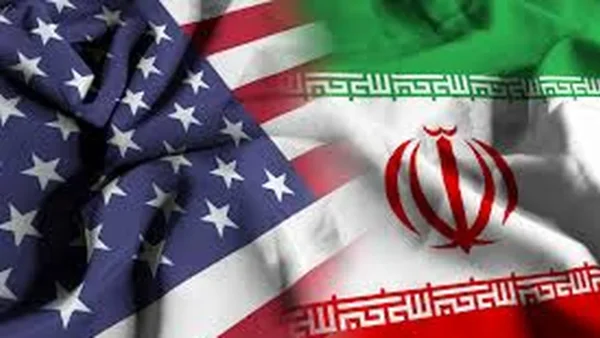
As four people who know about it have said, Saudi Foreign Minister Prince Faisal bin Farhan clearly gave Riyadh’s view in a phone call to Iranian Foreign Minister Abbas Araqchi. Prince Faisal said Saudi Arabia would rather have a settled agreement, and is open to mediation to lower the tension between Iran and the United States.
At the same time, Riyadh said that constant Iranian attacks on Saudi land or energy structures would mean the kingdom would be forced to alter its approach. Sources have said Saudi people in power have, up to now, not let American forces use Saudi air space or bases to attack Iran.
Danger to energy resources, and U.S. access
Saudi officials specifically called out Iran’s attacks on energy plants as particularly risky, pointing to the strategic and economic dangers to the kingdom and to markets around the world. The message was clear: harm to important energy infrastructure could cause Saudi Arabia to respond directly to defend the country’s possessions and the stability of world energy.
Sources said Riyadh also warned it could give American forces the chance to use Saudi bases and air space if Iranian attacks went on. That change would be a big step up, and could possibly widen what could happen in the conflict, and increase the chance of direct military action from bases in the area.
Recent attacks, and effect on the area
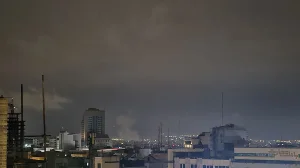
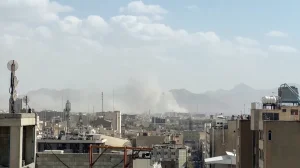
Gulf nations – the United Arab Emirates, Kuwait, Qatar, Bahrain and Saudi Arabia – have all reported a lot of drone and missile fire in the latest worsening of things. The attacks have been aimed at American interests and places in the area, and some reports link the start of the conflict to the said killing of Iran’s Supreme Leader on the first day of the war.
Iran’s acting president, Masoud Pezeshkian, gave an apology to countries near it affected by Tehran’s attacks and said a temporary ruling council had agreed to stop attacks on nearby states unless those states began attacks on Iran. Even with that apology, reports of further attacks and damage kept coming, making the safety of the area uncertain.
Differences in Iran’s leadership, and diplomatic talks
People in Tehran seem to be split over the campaign of attacks across borders. The Khatam al-Anbiya Central Headquarters – the armed forces’ united command – put out a statement saying that American and Israeli bases and interests across the area were still targets, even as it claimed Iranian forces had so far respected the sovereignty of countries around it.
Iranian officials told Saudi people that their attacks were aimed at American military targets on Gulf land, not at the Gulf states themselves. Tehran also asked for the closing of U.S. bases in the area and asked some Gulf governments to stop giving intelligence to Washington, which Iran says makes attacks on it easier.
What this means for safety in the area, and what’s next
The Saudi warning raises the level of risk for calming things down. If Riyadh does allow American forces to work from its bases, the conflict could grow and bring in more military resources, making the dangers to people and energy supplies worse. Markets might react to long-lasting uncertainty with price changes, making the protection of the energy sector a regional and world need.
Diplomatic channels are still vital. Constant contact between Saudi and Iranian diplomats, and willingness to use mediation, are needed to prevent mistakes in judgement. The next few days will show whether public apologies and quiet talks turn into real actions to stop attacks and get a settled stop to fighting.