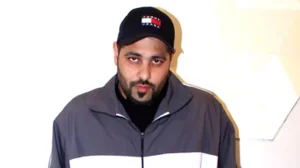
Badshah has apologised after an FIR was made against him for lyrics and images in his latest Haryanvi song, ‘Tateeree’, which some people found upsetting. The apology came after the police tried to stop the performer leaving the country, and the song was taken off the internet. The argument has been looked at by a number of groups, and has also started a much bigger discussion about artistic freedom and respect for culture.
The trouble over ‘Tateeree’
‘Tateeree’ was quickly criticised when it came out, with people saying the words and the pictures were upsetting. The Cyber Crime Police in Panchkula took complaints and began to look into the song to see if it broke rules about what is acceptable in public, and cultural standards. Haryanvi singer Simran Jaglan was in the song, and the music was by Hiten.
When pieces of the song went around online, people locally became more angry. Authorities said they were trying to get the video taken down from YouTube and other sites. More and more people asked for legal action, and the trouble quickly moved from people talking on social media, to official steps being taken.
Badshah’s public apology and what he said
Badshah – whose real name is Aditya Pratik Singh Sisodia – put a video apology on his Instagram. He said he had not wanted to hurt the feelings of people from Haryana, and said he was himself from Haryana. In the video, he said he was a proud son of Haryana and asked people to forgive him.
He said the song was in the style of hip-hop, and that in hip-hop, ‘diss lines’ – lines attacking other musicians – often go for people in music, not groups of people or those who are weak. Badshah said again he would not on purpose make women or children seem less good, and said sorry if anyone had been upset by the way the song sounded, or by the images in it.
What the police did, and the ‘Look Out Circular’
After the complaints, the Haryana Police made an FIR against Badshah about ‘Tateeree’. Police said they had begun the process of making a ‘Look Out Circular’ – or LOC – which is to stop the person accused of something leaving the country until the people in charge finish looking into things. Police teams also said they had searched for the artist to make him go to court.
Officials said the song had been taken off YouTube, and said they would try to get it taken off other social media sites. The fact that the focus is on how the song was shared online shows how quickly digital sharing makes people look at things, and the law react, when something is thought to be unacceptable.
What the official groups did, and legal notices
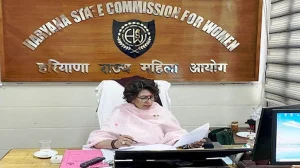
As well as the FIR, the Haryana State Commission for Women took action on its own, and sent Badshah a notice to appear on March 13. The commission said that complaints had been made that the words in the song broke cultural rules, and were not respectful to women. This shows a separate civil check, alongside the criminal investigation.
The Cyber Crime Police are still looking at what they have found on computers, and what is going on online. The authorities warned they would take legal action against anyone who shared pieces of the song that were thought to be unacceptable. The different responses together show how arguments about culture can get a number of groups and legal ways to deal with things involved.
What this means for artists, and what happens next
The ‘Tateeree’ trouble makes people ask about how much responsibility artists have, in local and digital situations. Artists who work with languages of a region often balance being proud of their area, with being free to be creative. This case shows how quickly a song can go from being released, to being looked at by the law, when people think cultural or moral rules have been broken.
Badshah has said he wants to make good relationships with the community again, by saying he is a son of Haryana. The next few days will show if his apology is enough for the authorities, or if official legal things will continue. Legal notices, hearings by the commission, and police inquiries will decide what happens next for both the artist and the song, as people involved weigh up freedom of expression, against what the public feels, and what the law says.