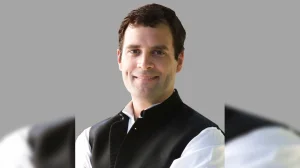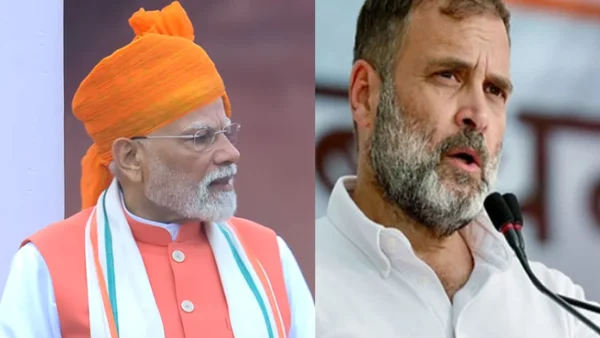
The Congress party’s Rahul Gandhi, on Saturday, charged the Prime Minister with going against the country by signing a trade deal with America, stating the arrangement would damage farmers and little companies. Gandhi said this at the closing of the Puthuyuga Yatra in Kerala, and presented the deal as a main point in the campaign before the coming elections in the state.
Event background and political context
The Puthuyuga Yatra lasted thirty days and went through every district of Kerala, as a part of the United Democratic Front’s – the opposition – preparation for the campaign. Leaders from the Congress and parties that were with it took part in the march, including V D Satheesan, who was in charge of the yatra, and other national and state leaders.
Gandhi used this to link what the country was doing in policy to local politics for the elections, stressing what could happen locally from a large trade deal between countries. He also showed he knew what people in the area were proud of, by mentioning Sanju Samson, the cricketer, who is from Thiruvananthapuram.
Allegations on agriculture, small businesses, and national interest
Gandhi said no former prime minister had allowed US farming interests into Indian farming as much as he thinks this deal does. He warned that big, machine-made American farming companies could do better than Indian farmers who were small, and cause economic ruin in the countryside.
He added that normal people – mainly farmers and small business owners – would suffer from the deal because of more competition and trouble in the market. Gandhi also said there were problems in the energy area and suggested the deal could allow data to go to the US, seeing the agreement as a danger to the country’s safety and control.
Responses and political positioning in Kerala
On the stage, V D Satheesan said the yatra was a key political experience which got the views of the public all over the state. He said the march had made what he called an ‘accusation list’ against the Left Democratic Front, which was in power, and promised a 'new Kerala plan‘ based on changes to how the government worked.
Satheesan said he would make the state offices work better and promised to be responsible and make changes to health, education, and jobs. He said special projects would deal with poverty and his group expected to be in power again in the next election for the assembly, and would win by a large amount.
Economic and policy implications of a US-India trade agreement
Big trade deals between countries often change how competitive things are in all areas, mainly farming and small making of goods. If taxes on goods coming into the country go down or access to the market gets much bigger, local people making things who have small amounts and don’t use much machinery may find it hard to match the prices and supply lines of bigger foreign competitors.
Those who make policy usually respond with protections, slowly letting things be free, giving money to help, or building up the ability to do things, to protect those who are in danger. The claim that small farmers will be destroyed shows the need for details of policy: what the taxes on goods will be, how much can be made, rules on health and plants, and help for those who need it, will decide what happens in the real world.
Elections, public opinion, and the next steps
The yatra’s stated aim of getting the views of the public shows the opposition plans to make its ideas based on what voters are worried about regarding how they live and how the government works. Stories in the campaign which link what the country is doing in trade to local economic pain can be felt in farming states and areas which depend on small businesses.
With elections for the assembly coming up, the argument over the trade deal with the US could become the main point. Voters and those who make policy will likely watch for the real texts, what effects it will have, and plans to lessen the bad things. Until then, claims and counter-claims will drive political talk and make up campaign messages.