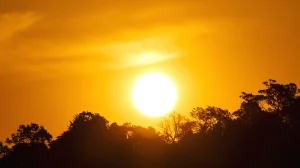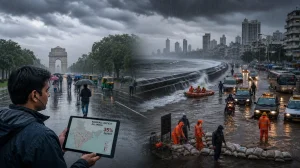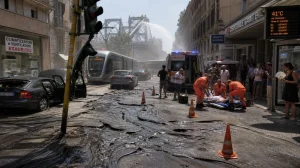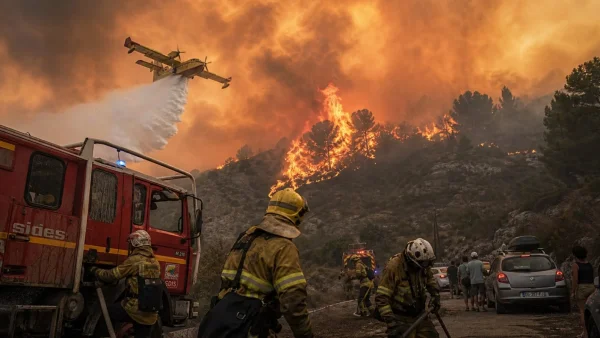
El Nino is in the house and the stakes are no small matter. We’re already seeing ocean temps put pressure on some of the more delicate habitats. The 2026 cycle has the makings of a severe one, with the potential to wreck fisheries and throw a wrench in the weather from the Pacific over to the Indian Ocean. There’s not as much time to make a move as there used to be.
A fast-strengthening climate driver
It’s been made official: El Nino is here. Run the numbers and you’ll find a 2-in-3 chance of a strong, if not highly severe, event by the end of 2026. The models also put us on track for a peak in the months that follow, and the kind of ocean impact to go with it.
Then there’s the state of the sea itself. Sea temperatures are running hot, close to what we’ve seen in the past. So even an El Nino of the ordinary variety could be enough to push an ecosystem over the edge. We’re talking about more bleaching, algal blooms, and losses for the fishing industry that will be felt in the economy at large.
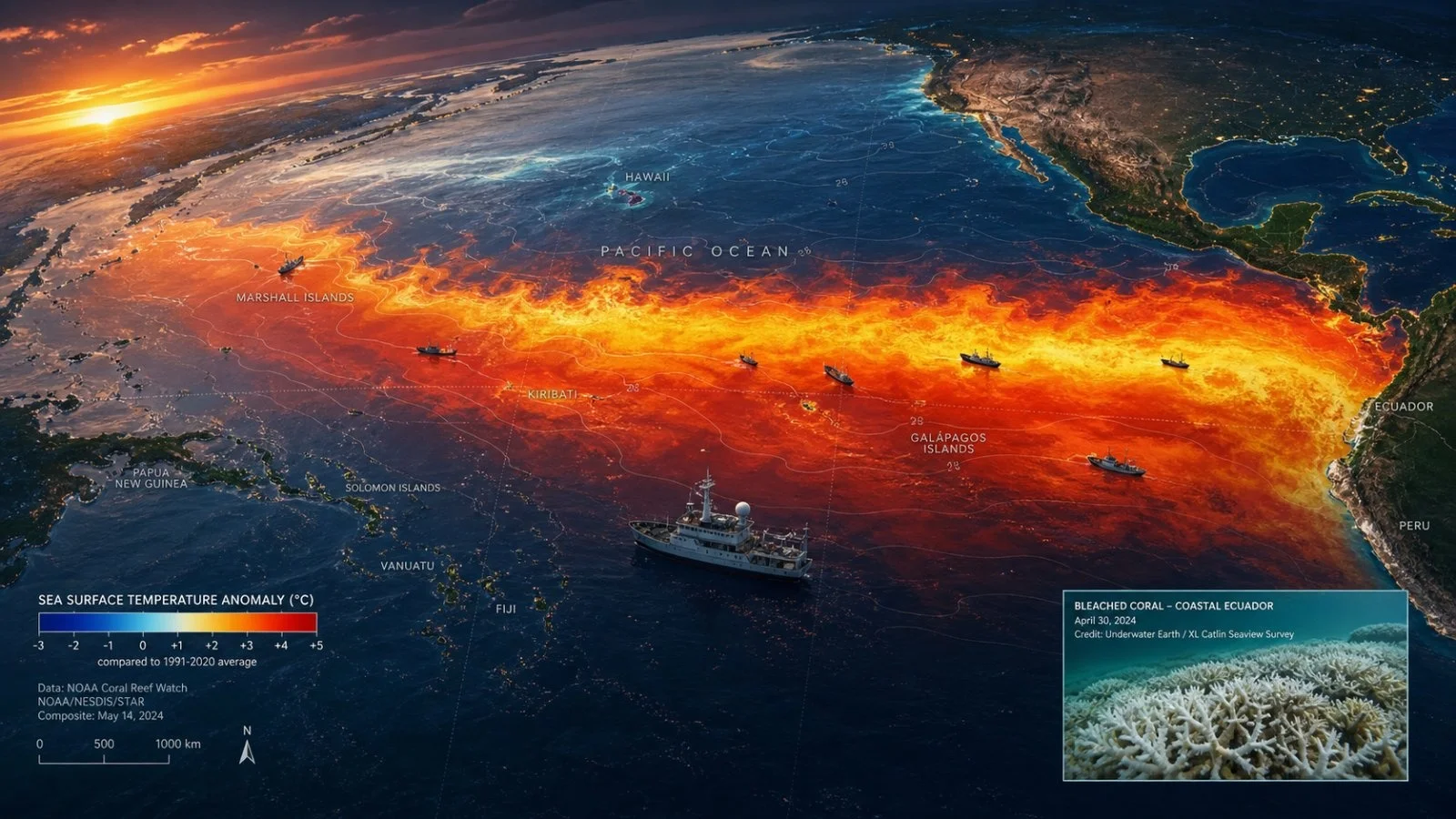
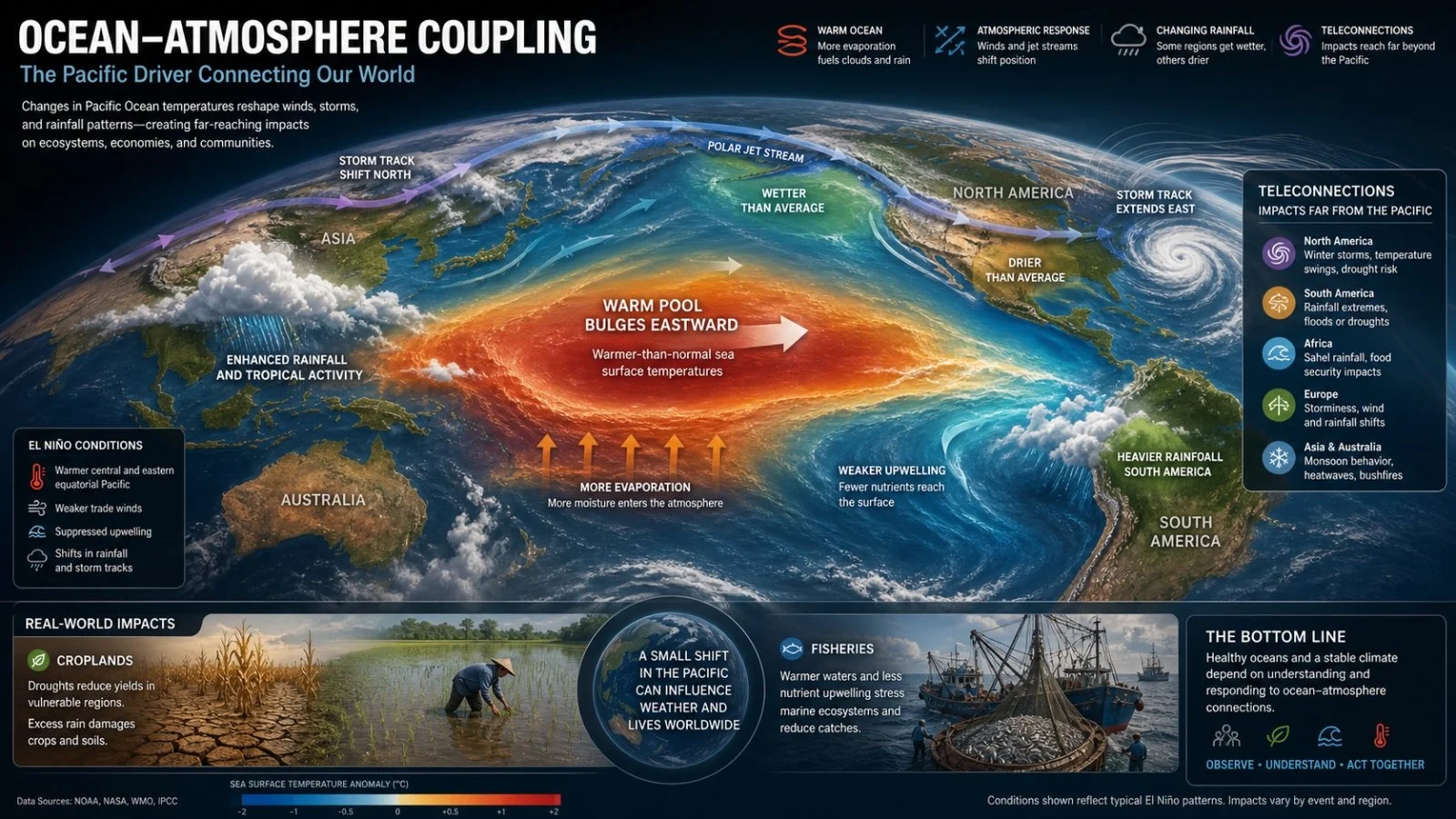
If you look at the Pacific, you’ll find a 10,000-kilometer swath of water west of Ecuador that doesn’t let up on the warmth. A bump of 1 or 2 degrees is all it takes to change the wind, move the rain, and unsettle the climate on a global scale.
Marine heat waves: where the damage hits hardest
You can think of a marine heat wave as an extended run of unseasonably warm water. It might begin as a localised thing near the coast, but it can grow into something that upends the food web and does away with the status quo in a hurry.
Take the Warm Blob in the Northeast Pacific back in 2013-2014. At its height it was three times the size of Texas, with waters 2 or 3 degrees above the norm for what in some places was years. The after-effects were nothing short of devastating.
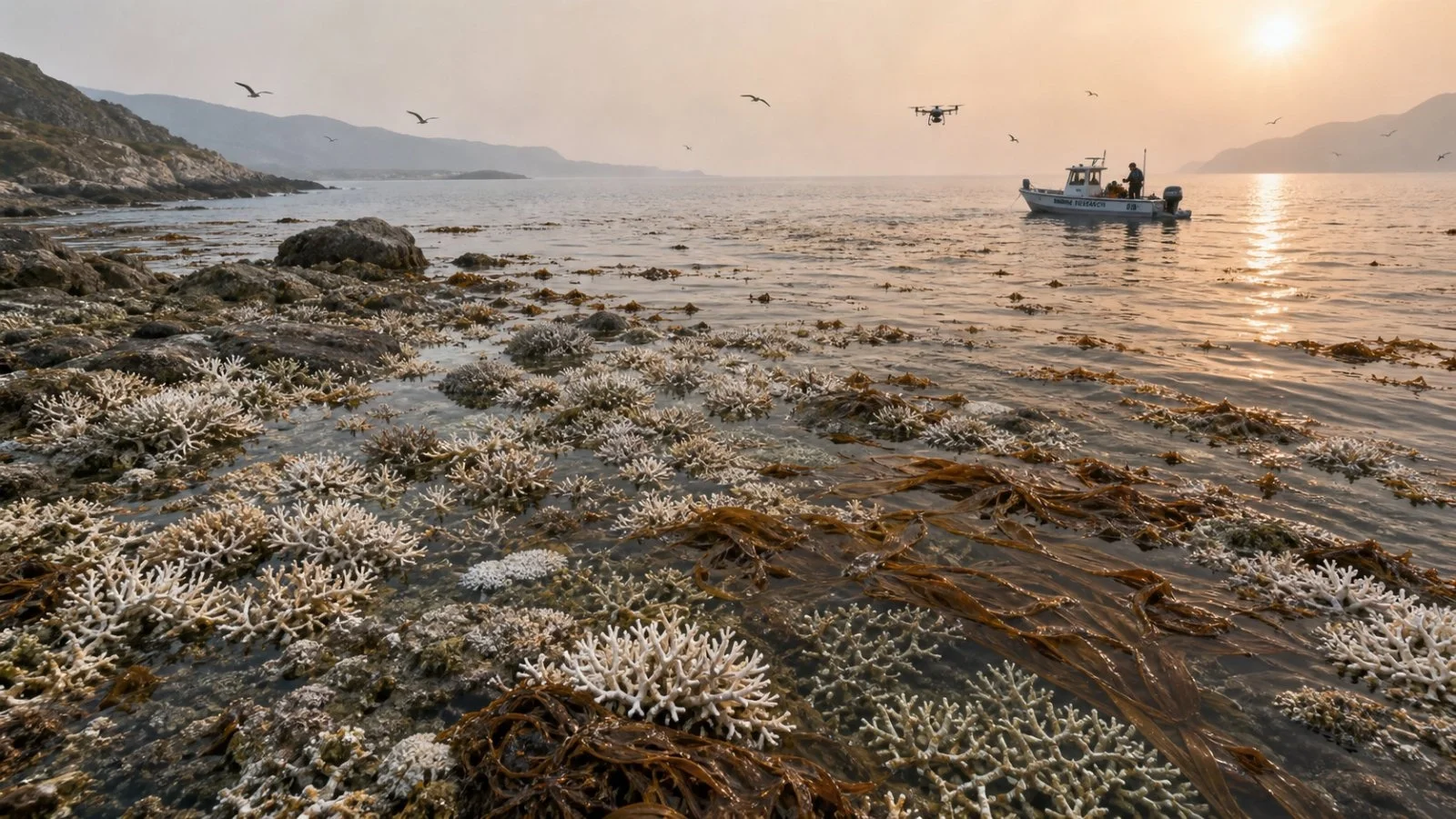
Overheated water is a problem because fish will burn through their energy before they can put anything in their mouths. We saw it with the Pacific cod in the Gulf of Alaska, which took a 70 percent nosedive in one instance. In other parts of the world, you had coral bleaching, kelp forests in decline, and marine mammals washing up on shore.
There’s a few things at play here: currents moving in warm pockets, surface winds that have let up, and skies clear enough for the sun to do its work. Put them together and you can set some new records.
Not just a surface story: seafloor heat waves
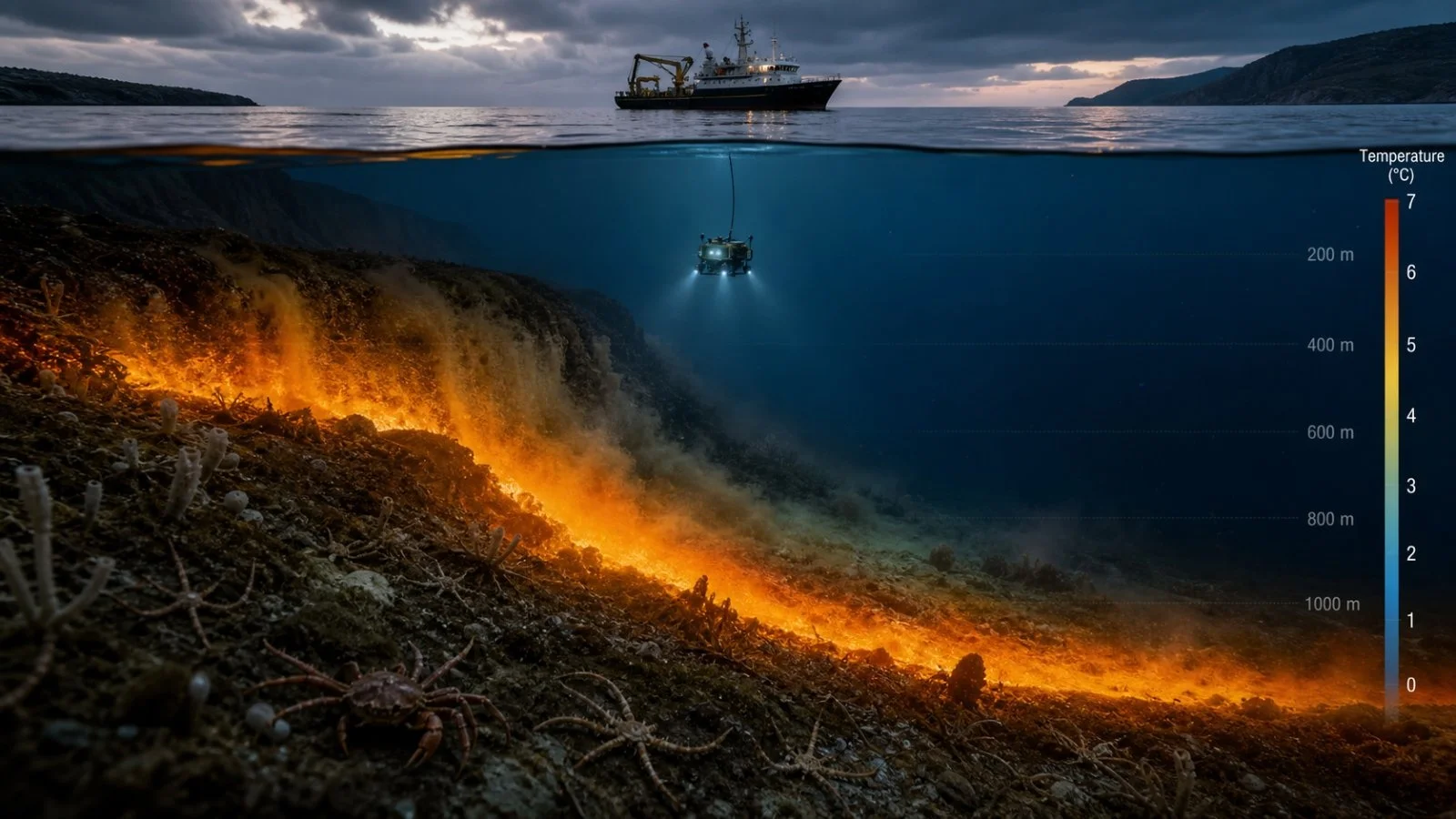
The deep can stay hot well after the top of the water has cooled off. Some 2023 research put a finger on this: bottom-dwelling heat waves on the continental shelves and beyond are a regular occurrence, and they tend to be more of a lingers-on type of affair.
After the 1997-1998 El Nino, a seafloor heat wave off the US West Coast went on for four or five months once the surface was back to normal. More recently, in 2018, an 84 percent drop in Bering Sea snow crab was the price of a similar event, a reminder of how exposed the creatures down there are.
That makes for a tougher job when you’re planning for risk. A map of the surface might tell you one thing while the ecosystems below are in trouble. If you don’t have your eyes on the seabed, you could be in for a surprise.
Where vulnerability is climbing now
With the right seasonal models, you can see a marine heat wave coming three to six months out. And in an El Nino year, those predictions are only going to be more on the money. You can see the numbers in the projections: as this event builds, nearly half of the world’s ocean is set to be under some form of damaging thermal stress by 2026.
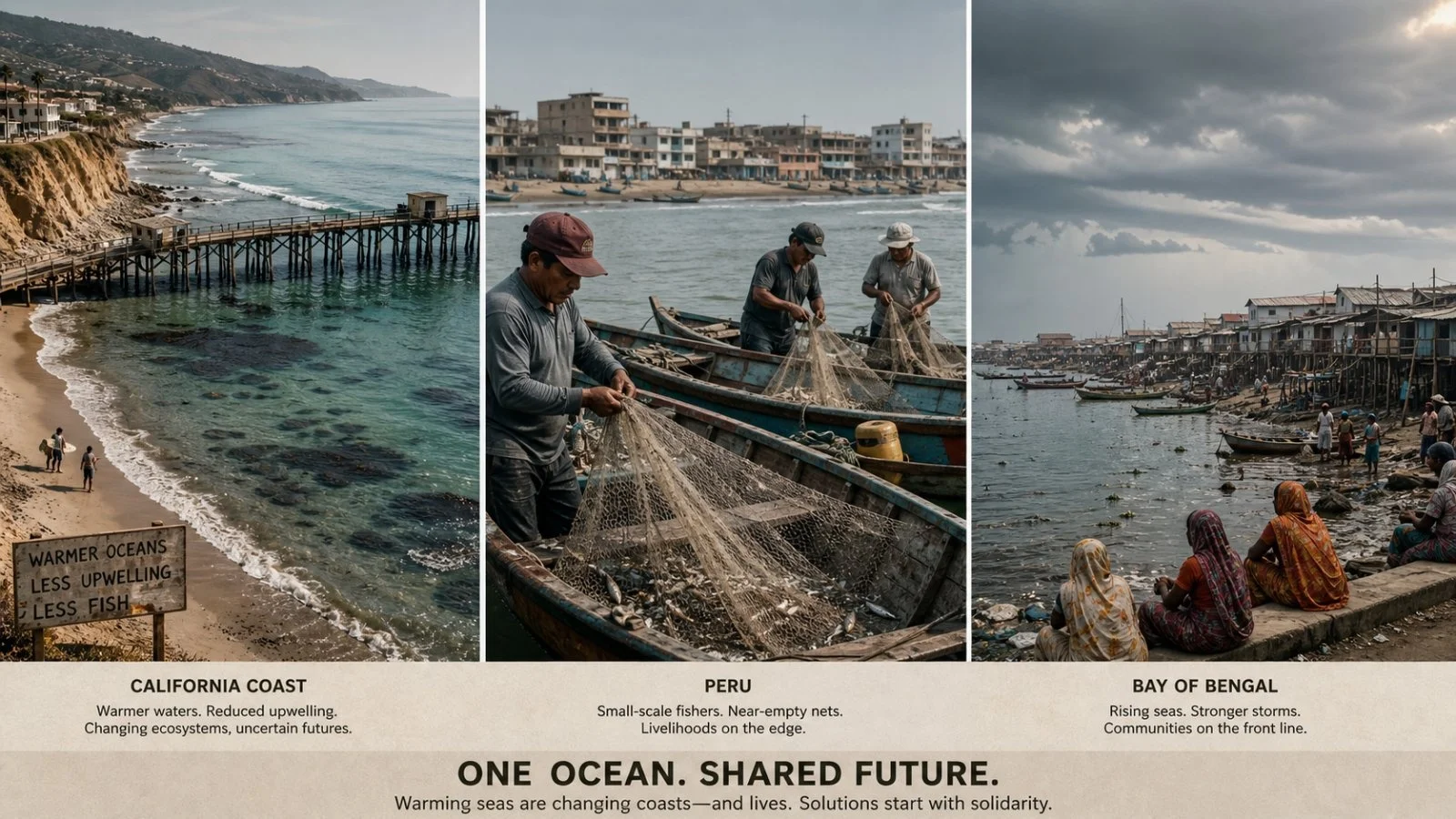
Then there are the coasts of California and Mexico, where the odds of a hard-hitting marine heat wave are very high. El Nino has a way of quieting the northern winds on the U.S. West Coast that would otherwise stir up evaporation and upwelling. Take away that source of cooling and you get a spike in temperature that lingers.
Waters off the coast of California are already running hot, so we’re looking at a higher risk for protracted heat waves. Over in Peru, it’s an old story; fishers have been put out by these warm surges for hundreds of years, with their catch and their income to show for it. It wasn’t until the 1920s, in fact, that anyone made the link to the broader ENSO cycle.
The Indian Ocean is in the line of fire as well. Where El Nino and the Walker Circulation meet, you get a greater chance of the kind of extreme warming seen in the Bay of Bengal, which is no good news for the people who live and work there.
What El Nino is and why it matters everywhere
In short, El Nino is the warm side of the El Nino-Southern Oscillation, a system that ties the ocean and the atmosphere together. Put a lot of warm water in the central and eastern Pacific and you will see changes in the wind, the clouds, and the rain over whole continents. Storms don’t go where they used to and climate contrasts become more pronounced.
Most of us are focused on the floods or droughts we can see on land. But a lot of the toll is paid out of sight, in the water. Whether it’s a kelp forest or a coral reef, the first to take the hit are the marine habitats, and a whole fishery can be done in one season.
The money involved is no small matter. We’ve seen billions siphoned from the global economy in past heat waves. When the oceans are out of whack, you feel it in agriculture, in the price of food, in the energy grid and shipping.
Some fast facts to put things in perspective
– It is more than just warm water; it is a coupling of the ocean and the air.
– This is a natural phenomenon, separate from what we are doing to the climate.
– The ripples are felt around the world.
– No two are the same.
What to do before it gets hot
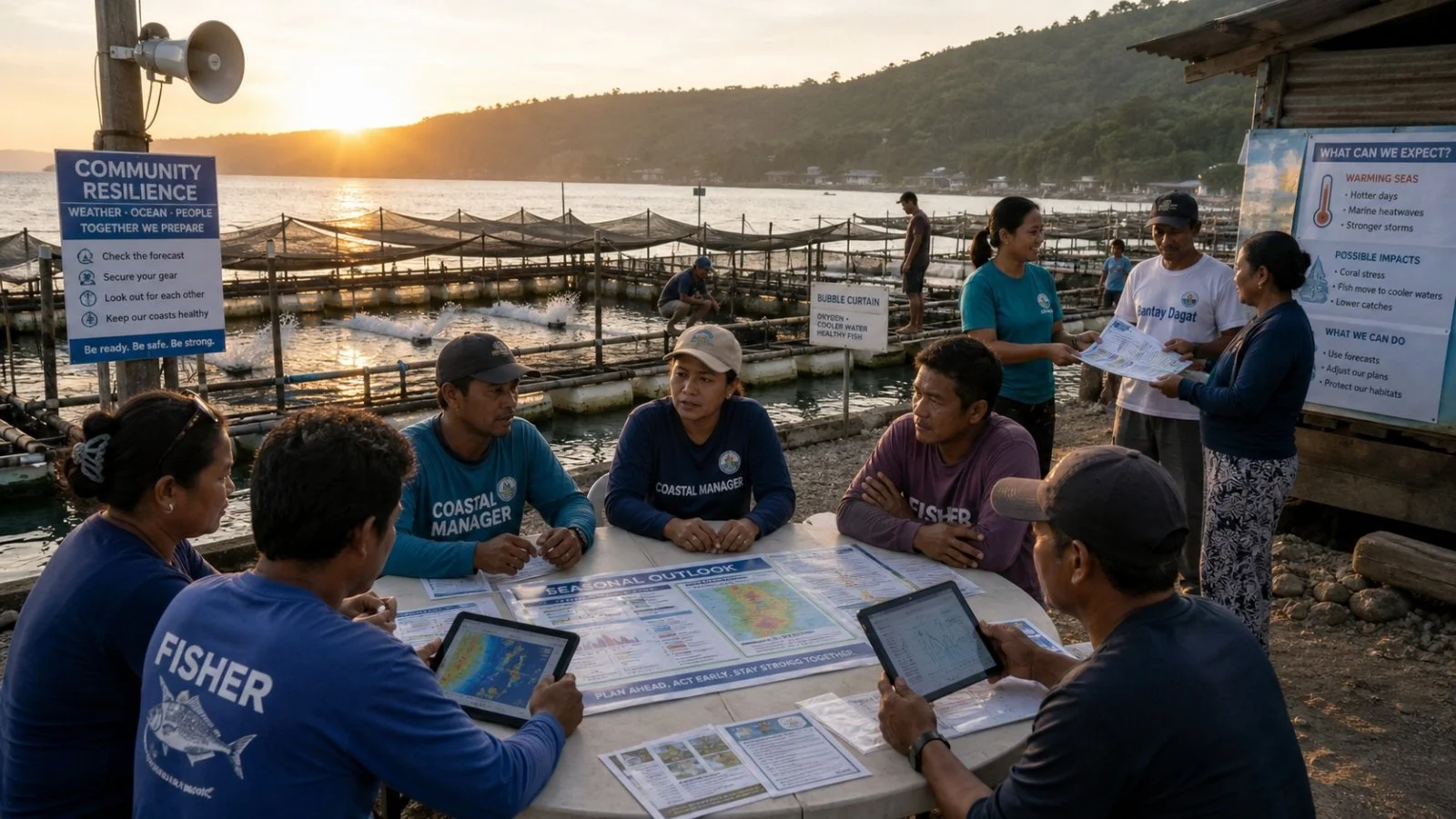
If you know what’s coming, you can be ready. Our models can put a finger on a marine heat wave three to six months out, and in an El Nino year they are especially to be trusted.
It’s about making use of those seasonal outlooks. You can scale back on fishing, put some protection around nursery grounds, or plan for a temporary closure. An aquaculture business can look at its thermal limits and see where a heat pulse is headed. Even the tourism and health sectors can brace for algal blooms or stranded whales.
And you have to talk to the people on the ground. A heads-up to a fisher or a coastal resident goes a long way in building trust and getting a quick reaction when the word comes down. The idea is to stop a heat wave from turning into an ecological and financial mess.
That is the situation on the coasts of California and Mexico, in the Indian Ocean and parts of the Southern Ocean. With the prospect of half the global ocean in trouble by late 2026, waiting is not an option.
The bottom line
El Nino is with us and it is only going to get stronger. The agencies say the warming is plain to see, and we could be at a peak somewhere between the end of 2026 and the start of 2027. The ocean will be the first to show it, but the fallout won’t be contained to the sea.
We can’t do anything about El Nino itself, but we can limit the harm. Make the most of the time you have. In a year when an extra degree or two in the water can change everything, being prepared is what counts.