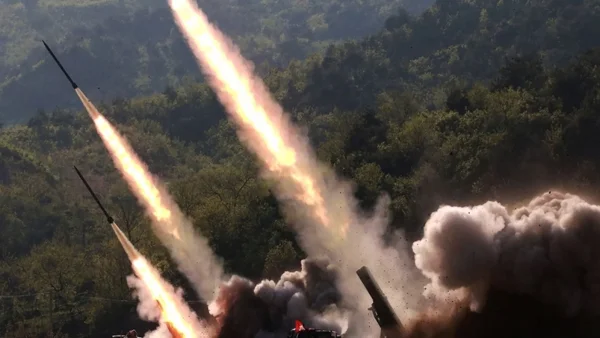
Leaked files tell the story: Iran put its hands on some Chinese hardware through a channel in the United Arab Emirates with ties to its drone and missile forces, and in due course, rained down over 2,800 projectiles on the Gulf state. The whole thing is an open-and-shut case of how hard it is to police these trade hubs.
Why the revelation matters now
If you follow the money, you end up with the IRGC Aerospace Force, the one running the show on Iran’s missile and drone work. The documents make it plain that this is the very unit behind the strikes on civilian targets in the UAE in the wake of the US and Israel’s moves against Tehran. It makes for some delicate diplomacy in Abu Dhabi. For all the tough talk on Tehran, the UAE is still where a lot of Iranian business gets done. You have your free trade zones with a more relaxed attitude to oversight; analysts have been pointing to them as a way in for the kind of tech that should be off-limits.
A concealed supply chain through the UAE
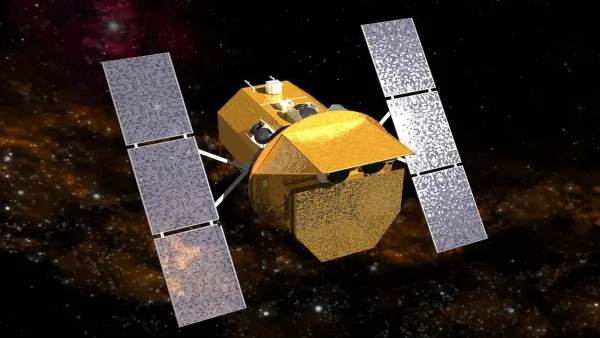
You can put it down to Telesun, out of Ras al Khaimah. According to the records, they were the ones who in late 2025 put together a deal for the IRGC to get some top-tier satellite antennas from China, with Dubai in the middle of the process. The paper trail – invoices, customs forms – will have you believe it was just a 4.5 metre motorised antenna made by StarWin. At 1.8 tonnes, it was put down as ‘antenna and accessories’ in the fine print, a neat way to hide who was really getting it while the West has its nose in the air about Iran’s military buys.
How the cargo moved
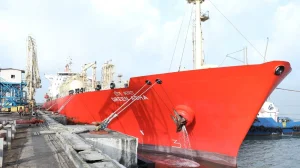
It all started in Shanghai on a ship called the Zhong Gu Yin Chuan. By August 28 the container was at Jebel Ali Terminal 1, and not long after, an Iranian vessel, the Rama III, was seen with it, the files say.
The Rama III was back at the quayside on November 23 and was on its way with the goods by the 24th. The paperwork said it was for Shahid Rajaee port in Bandar Abbas, and sure enough, you could see a like-for-like ship there on the 29th if you had the right eyes on it.
Maritime deception alleged en route
Look at the GPS and you’ll see what the Iranians were up to. The transponder was putting out a signal as if they were heading out of the Gulf and making a pit stop by Oman. But when you check the satellites for November 25, the boat wasn’t where it said it was. We call that spoofing. It’s a ruse to throw off the hounds and let a ship go where it pleases without too much trouble in waters that are usually under a microscope.
The Iranian end-users and sanctioned links
On the receiving end was EFK, an Iranian telecoms outfit. A contract has Telesun buying the wares for EFK in connection with a project for the Saman Industrial Group, which has the US on its case. The Treasury put a sanction on Saman in December 2023, saying it’s little more than a front for the self-sufficiency arm of the Aerospace Force. You have the research and development arm of the Guards’ ballistic, drone and electronic warfare efforts to thank for that. Then there is the Self Sufficiency Jihad Organization, which the EU has put on its sanctions list on the grounds that it has been providing drones to Russia. EFK, by contrast, is not in any Western crosshairs, at least as far as we can tell from the documents. You see a lot of this kind of thing: a hodgepodge of sanctioned and non-sanctioned players making up a procurement chain designed to work around the rules.
The shipping agent and some past run-ins
Blue Calm Marine Services is the name on the bill of lading for the Iranian side. The US put a stop to them in 2023 after they were found to be moving goods for the defence ministry’s missile propellant work. Telesun puts itself out there as a UAE supplier of satellite comms for the Middle East and North Africa, handling everything from the drawing board to the final install. We put some questions to them and to the UAE foreign ministry; no word back. Same with the Iranian embassy in London.
When China-linked tech comes under a microscope
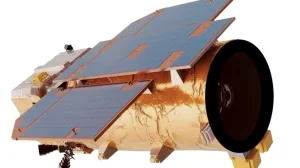
There is more of an eye on what kind of support China is giving to Iran’s military set-up. Some things have come to light about the IRGC Aerospace Force and a satellite from The Earth Eye, a Chinese outfit, that was put in orbit to keep tabs on American and Gulf installations before the March hostilities. Washington has made its feelings known, sanctioning The Earth Eye this month for its part in Iranian operations. “We will hold China-based entities to account,” the State Department put it. “If you are going to target our people and their partners, you will face consequences.”
What the West is looking for now
All of this is bound to put minds at ease in Western capitals over how much of the Gulf’s logistics are being used to get around the embargo on Iran. It also means the UAE is under some heat to be more of a watchdog in free zones where you can hide behind a complicated web of companies. And then there is the matter of the data. Allegations of GPS spoofing are a thorn in the side of enforcers when you have high-stakes cargo in some of the world’s most congested waterways. Here is the bottom line from the files: – A channel in the UAE made the way for Chinese satellite hardware to reach Iran – An IRGC offshoot has since made the UAE a target – The route of the shipment was, we are told, obscured by maritime spoofing – You find your share of sanctioned Iranians in the mix – The US is ratcheting up pressure on firms with ties to China
What this means for the UAE and the rest of the world
This is a trial by fire for the UAE in terms of keeping its doors open for business while meeting its security side of the ledger. Being the go-to for regional logistics in Abu Dhabi is a good thing, until you have unscrupulous networks taking advantage of the blind spots. For everyone else, it is a lesson in why you have to be on top of your intermediaries and your maritime records if you want to make sanctions stick. When the technology side of things shifts, so do the tactics to police it. Look at the path this one took from Shanghai to Bandar Abbas, the supposed tampering with the GPS, and the way Telesun, EFK and Saman are all tied in. It is a case study in how you can still move sensitive gear across a border and have it in a theatre of war in short order. You add in the silence from the companies and the officials, and it becomes pressing. After 2,800-plus drones and missiles have been sent the UAE’s way in retribution, the link between what is bought and what happens on the ground is hard to ignore. It is a message to the regulators in this part of the world.