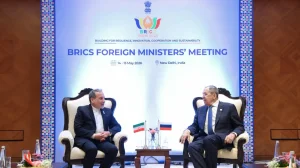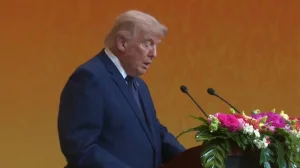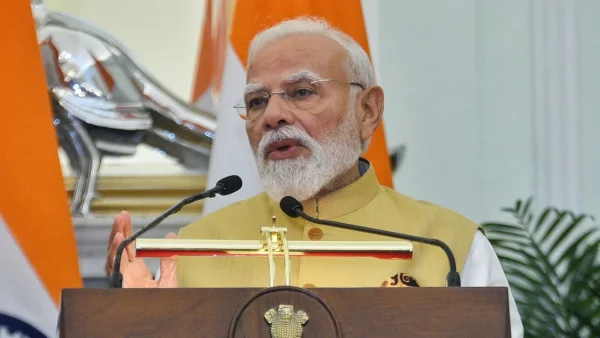
You can see the hard line from Iran in New Delhi, where it has ratcheted up its criticism of the American position on the nuclear and shipping issues. The charge is that the US is muddying the waters and putting energy security in harm’s way. It’s a pointed message as negotiations make headway and India’s own fuel and shipping concerns are left in the lurch should the Strait of Hormuz heat up.
Why the pushback from Iran
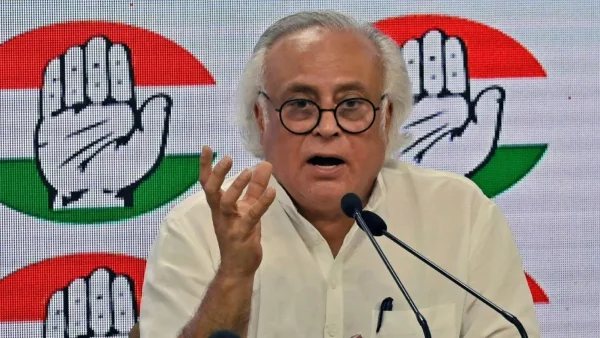
It was made public on 24 May 2026 by the Iranian Embassy in India: a flat-out denial of some of the things US Secretary of State Marco Rubio had to say while in the country. The embassy put it this way – the accusations are an easy way for the US and Israel to look away from their own policies, which they see as the ones sowing instability.
They put the whole thing in the context of years of being put under a microscope. According to the embassy, the oil sanctions are just the latest in 47 years of hostile moves that have even made it hard to get life-saving medicines and equipment, with patients paying the price for what they call human suffering on a large scale.
There is also a warning from Iran that its military is on top of things. Any move against its sovereignty or security will be met with force, they say, and with no little determination about it.
What’s at stake for energy and the Strait of Hormuz
Tehran’s view is that if you want to know why global energy markets are in a tizzy, it’s the US sanctions, not them. They call the measures a flagrant disregard for the UN Charter and international law.
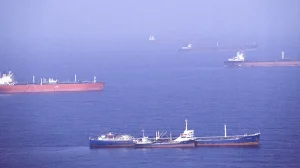
Iran holds itself up as a steady hand when it comes to supply, and says it is open to doing business with any nation, India included. But they put the blame for the trouble in the Strait of Hormuz on the “adventurist” ways of the US and Israel.
Put simply, here is the case from Tehran:
– You have to look at sanctions for the jolt in the oil market
– We are here to provide for India and the rest
– It is the US and Israel that put traffic in the Hormuz in danger
The nuclear file and who is watching
The embassy has been clear: the nuclear side of things is peaceful and it is being watched. As a signatory to the non-proliferation treaty, Iran is in the IAEA’s sights, and so far the agency has seen nothing to report in the way of any diversion.
For its part, Tehran sees the right to use nuclear science for good as something it is entitled to, and won’t be giving up on. The line is drawn: it will not be giving up on what it considers a lawful, internationally accepted right, and it has made no secret of the fact that its nuclear work is for peaceful purposes only.
What the US put on the table in New Delhi
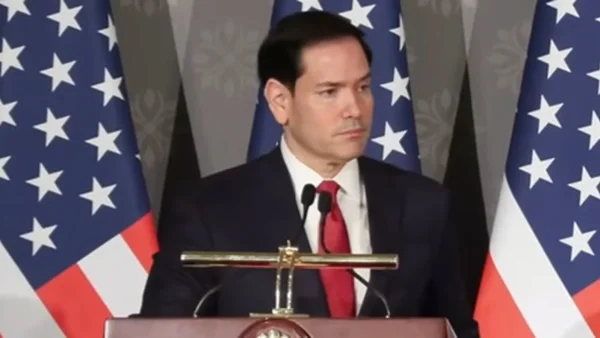
There are signs of some movement in the talks with Tehran, according to Rubio, who was in India for four days. “We’ve made some progress. I can tell you there’s work being done even as we speak,” he said in a recorded exchange in the capital.
But the US Secretary of State was firm on where the red lines are. “Iran can never have a nuclear weapon,” he said, and wants the enriched uranium stockpile to be turned over. As for the shipping lanes, his view is that the straits should be open and free of tolls.
Still, the President’s way is to find a diplomatic off-ramp when possible. In his time here, Rubio made it clear the US won’t allow Iran to take the world’s energy market to the point of a hostage situation, the State Department says.
Washington is also making a case for how its own energy exports can be a part of the mix for India. It’s a way of putting fuel security front and centre in the equation while New Delhi mends fences with the Gulf.
Diplomacy in overdrive, but with an edge
You could see it in the spate of regional talks that were going on at the same time as Iran’s pronouncement. There were reports of Pakistan, Qatar, Oman and others in the room. The Pakistani Army chief, Field Marshal Asim Munir, was in Tehran to see with some of their top brass.
Then there was the Iranian Foreign Minister, Abbas Araghchi, on the phone with his counterparts in Turkey, Iraq and elsewhere to make sure things don’t get out of hand. It seems like everyone is feeling out how much de-escalation is on the table without caving.
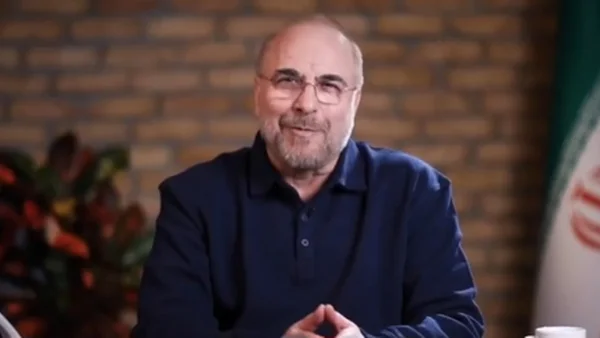
Tehran’s home-front rhetoric was anything but soft. Parliamentary speaker Mohammad Bagher Ghalibaf let it be known that if Trump were to rekindle the hostilities, the US would face a “more crushing and bitter” outcome than on day one.
Where we go from here
Both sides are toying with the idea of diplomacy, but the gap in trust is hard to bridge. For those in the shipping and energy business, the question is whether they can count on a steady flow through Hormuz.
To be sure, Iran’s embassy in New Delhi has been at pains to refute everything Rubio said, chalking up any market trouble to sanctions rather than their own doing. He, for his part, sees this as something that can be resolved, and is.
In a nutshell:
– Tehran: our hands are clean, our programme is under watch.
– Washington: we want limits and the uranium.
– Both: we’re talking, but we don’t agree on who’s to blame.
For India it’s a matter of hard numbers. You have Iran offering to be a supplier and the US with its own wares. Whether there’s a deal or a fall-out, it will show up in the cost of shipping, the risk premiums, and what it takes to keep the Indian economy in motion.