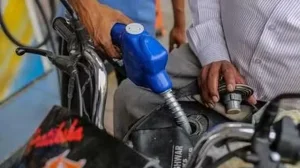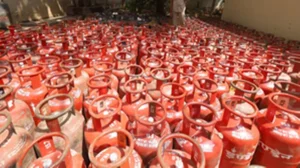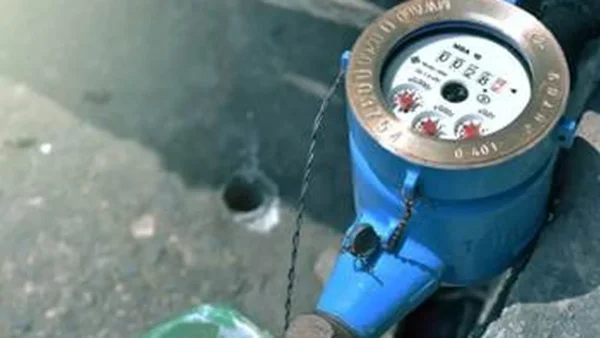
The government has been on a mission to put a finer point on accuracy at the pump and get clean-energy projects moving. That’s why, as of May 24, 2026, GATCs have been given the green light to verify CNG, LNG and hydrogen under the Legal Metrology, with set fees per nozzle to keep disputes and hold-ups to a minimum.
What has changed
In an amendment to the 2013 Legal Metrology (Government Approved Test Centre) Rules, the Centre has let GATCs do a little more than before. The Department of Consumer Affairs puts it this way: five new fuel systems are now part of the verification process.
You’ll find hydrogen, LNG and CNG on the list, as well as LPG and the usual petrol and diesel. All told, GATCs can now work through 23 different types of weights and measures for both first-time and re-verification.
Why the move matters
Cleaner fuels are becoming a fact of life across the country, and the department says the integrity of the meters needs to be up to speed. Having these dispensers vetted by GATCs is about making sure that when you’re at a forecourt using a new kind of fuel, what you see is what you get.
Then there is the matter of getting things done. By opening up verification to GATCs, the state Legal Metrology Departments can step back from some of that workload and put their efforts where they are needed: on the ground for inspections, enforcement and sorting out consumer issues.
It’s a trust-building exercise as the energy mix changes. For the people and the operators, it should mean less haggling over quantities and a swifter check.
If you want to know how this lands for those on the ground, the department has pointed to a few key results:
– A greater number of centres with the authority to sign off on new dispensers
– No more waiting around for calibration or re-verification
– Less room for opacity at the retail level
– Easing the load on state metrology staff
Who are GATCs
Put simply, they are the facilities the government has put its stamp of approval on. They have the know-how and the setup to handle the nitty-gritty of verifying weights and measures as the Law requires. We are also seeing some private and industry labs come on board, which is good for national capacity and for anyone in need of a reliable service without the wait.
They are the ones who make sure a fuel dispenser is doing its job right. With a wider remit, you can expect even better service and fewer delays from them.
Fees and coverage
There is a price tag for the type of dispenser and how many nozzles it has. A petrol or diesel unit will run you Rs 5,000 a nozzle for verification. If it’s CNG, LPG, LNG or Hydrogen, the fee is Rs 10,000 per nozzle.
Laying out the costs like this is meant to take the guesswork out of it for operators. It makes it easier to plan, especially for stations making the switch to greener options where the numbers can get complicated in a hurry.
State powers and faster approvals
States are now in a position to put forward their own categories of weights and measures for GATC verification, in keeping with their rules. It gives them the leeway to deal with what’s happening in their markets as new tech comes along.
On the administrative side, we’ve seen a change to get things through the system in a timely manner. Officers at the Joint Secretary level and up have been given the go-ahead to act under the Rules. The department says it will mean approvals don’t sit on a desk for long.
What comes next
Now that GATCs are in on the hydrogen, LNG and CNG side of things, as well as the rest, the path to being in the clear is a lot more defined. The department figures this will put some minds at ease at the pump and give the transition to cleaner fuels a leg up.
For the end user, it is a case of having the confidence that you are being made whole for what you put in. As for the businesses, the word is to get your verifications in early, make room in the budget for the per-nozzle cost, and be ready for a bit of a closer look from the enforcers.