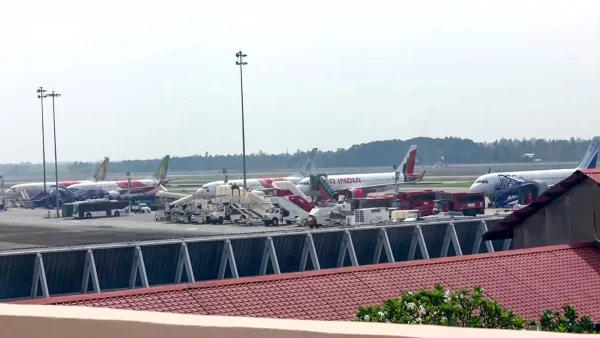
The DGCA has ordered airlines to offer a minimum of 60 percent of seats on every flight for free from April 20. They also say airlines must have a clear way of assigning seats and should seat people who are on the same booking (PNR) near each other, and ideally next to each other in the same row.
Key requirements of the DGCA circular
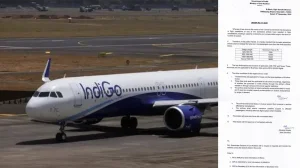
A newer Air Transport Circular, which came out on March 20, says at least 60 percent of seats should be available without a fee to choose them. Airlines have to show clearly on their websites and apps how many free seats are available and any rules attached, so customers can compare their options before they buy.
The DGCA also wants airlines to really try to seat people on the same booking close to one another. The idea behind this is to stop families and smaller groups from being forced to pay extra just to be able to sit with each other, and to make travel easier and more accessible for many people.
Transparency on optional services and fees
Besides choosing seats, the circular also says airlines have to clearly state the prices for extra things like carrying sports gear or musical instruments. The price for these items, and what happens if they get damaged, must be shown in plain language on the airline’s website and when booking.
This change will help people make good decisions. When the price of extras and the rules are shown when you book, travelers can figure out the complete cost of the trip, choose exactly what they want, and won’t have any unexpected costs when they check in or at the gate.
Context: current practice and industry model
In the past, airlines usually let you choose about 20% of the seats for free, and charged for all the rest. The price of those seats varied depending on where on the plane they were, how much legroom they had, and the row number. Seat choice prices ranged from a little bit to several hundred rupees for the best seats.
Budget airlines have always used a system of separating the basic ticket price from extras to keep the initial price looking low. People in the airline industry believe this new requirement will change how airlines make money, and may cause them to change ticket prices or offer different packages of services to make up for the money they lose from seat fees.
Timeline for implementation and operational steps
The circular will be in effect 30 days after it was issued, so April 20 is when airlines have to start following it. Airlines will need to update their booking systems, seat maps, and everything customers use to see and choose seats to show the 60 percent of free seats and the new rule about seating groups together.
Airlines will have to adjust their inventory and how their customer service works to actually make sure groups on the same booking can sit near each other. The people in charge of the rules expect airlines to tell passengers about the changes and make sure they are the same on every flight and every kind of plane.
Potential implications for fares and consumer choice
Experts think this will result in two main things: it will be easier for passengers to get seats without paying more, and airlines will be pressured to change how they make their money. Some airlines might change the basic ticket price, create new packages, or promote paying extra for priority seating.
This order should actually make travel cheaper for families and groups, and build more trust because the prices will be clearer. But it also makes you wonder how airlines will compete with each other, and how they will come up with new ideas to continue to make a profit without being dishonest about prices.
How travelers can prepare
When you book, you should read the airline’s rules about assigning seats and look at the seat map to see how many free seats there are. If you are traveling with a group, book all your tickets together (use one PNR) and confirm your seats before you leave, so you don’t have problems at the airport.
Save pictures of the booking pages and the airline’s stated policies. If the airline doesn’t follow the new circular, you can complain to the DGCA, who will then check that the circular is being followed and enforce it if it isn’t.