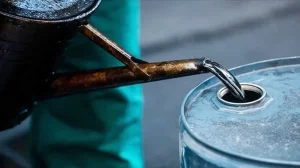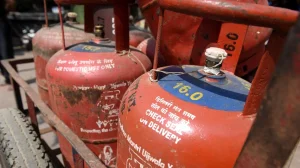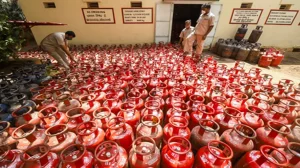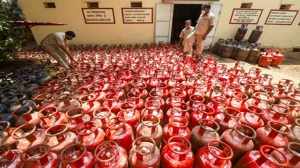
The national government has eased the safety rules and licensing for selling kerosene so that it can get to people more quickly. This is because of the problems with getting LPG (liquefied petroleum gas) since the war in the Middle East started. The Ministry of Petroleum and Natural Gas has officially said kerosene can be sold to people for cooking and lighting in those 21 states and territories for a limited time.
Scope of the licensing relaxation and permitted outlets
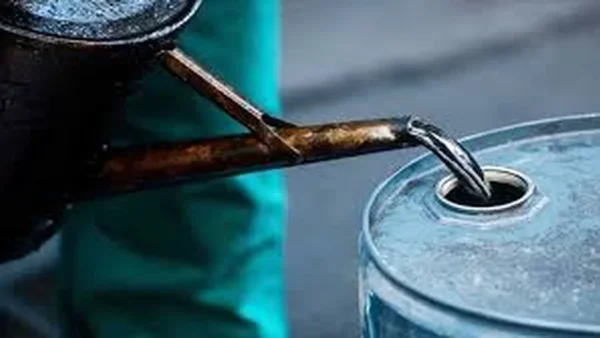
Oil companies that are owned by the government are now allowed to use normal shops and, specifically, gas stations, to sell kerosene to people. In each area, up to two gas stations owned by these government companies can hold and sell kerosene to customers for a set amount of time.
These gas stations can have up to 5,000 liters of kerosene, and there are other rules for how much they can sell. The government says this is a special, temporary thing to be sure people can get the fuel they need for their homes if LPG is harder to get.
Why the government acted: LPG supply pressures and energy shocks
The war in Iran is causing problems with the world’s energy supply, and this is making it harder to get LPG. This increases the chance of shortages in certain areas. Officials are worried that it will be difficult to get enough LNG and LPG, so people may have to go back to kerosene for cooking and lighting for a short while.
To quickly reduce the pressure on LPG, the government has given out an extra 48,000 kiloliters of kerosene, on top of the usual amount. The intention is to help families who are most in need and areas that had stopped using kerosene, including many large states and territories.
Temporary measures, legal basis, and duration
The government is using its powers from the Petroleum Act to make exceptions to the rules in this unusual situation. The official announcement allows government owned oil companies to use shops to sell kerosene for the first 60 days, and this could be extended if it’s needed.
Officials have stressed again that this is a short-term change and have asked the governments of the states to follow all the rules. This is a quick response to an emergency, and is not changing the long term plans to get people to use cleaner ways of cooking.
Safety controls and public distribution system involvement
The Ministry says the safety rules and ways of keeping track of the kerosene will continue to be used to stop people from misusing or illegally selling the subsidized kerosene. The announcement also approves a special way of storing kerosene for the Public Distribution System (PDS) in the states and territories affected.
States have been told to give kerosene to people in the countryside and those who are most vulnerable when it is distributed through the PDS. Keeping clear records, reporting how much is in stock and following the rules for storing it at the gas stations will be important for stopping illegal selling and leakage into the market.
Complementary policy steps and market implications
The government has asked the coal ministry and the power companies in the states to increase the supply of other fuels, and to send more coal to small and medium sized customers. They have also encouraged the states to get new piped natural gas connections installed faster to reduce the demand for LPG in the long run.
For people, this means they can temporarily get kerosene – a fuel they are used to – from gas stations and PDS shops. The amount of LPG people buy may change a little in the short term, but the government is saying these changes are only for a set time and are to make sure people have energy for their homes while the world’s supplies get back to normal.