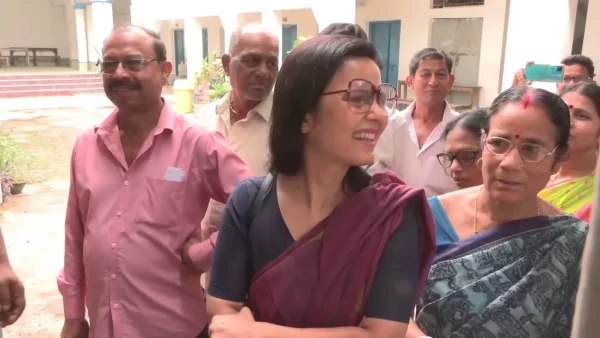
You won’t find eggs on the plate for thousands of schoolkids in the city anymore; in their place is rajma. It’s been a point of no return for some, and a source of friction when it comes to culture, nutrition and even getting children in the classroom. TMC MP Mahua Moitra has called out the BJP in Bengal for what she sees as a forced vegetarianism, and put a fine point on the fact that you can lose a lot of your student body if you take away the one meal they come for.
What changes for students
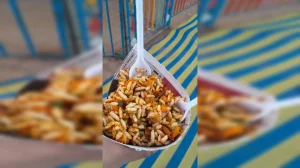
In a first for some KMC schools, the International Society for Krishna Consciousness is in the kitchen for mid-day meals, and there are no eggs on the line. According to the government, you’ll be looking at paneer, rajma, soya, pulses and the like to get your protein fix.
Finance minister Swapan Dasgupta has upped the per-student tab for primary schoolers from Rs 6.78 to Rs 10. They make the case that with a more centralised way of doing things, you get better oversight and a higher standard of food.
In short, here is what the pilot brings to the table:
– No more eggs in the mix at participating schools
– ISKCON on the job for cooked meals
– Rajma, paneer, soya and the rest of it
– A bump in the budget to Rs 10 a head
What teachers are reporting
Will the kids go for it? That’s the worry for some. One headmaster in the city put it plainly: the egg day is what they look forward to, and you see it in the attendance numbers. He’s all for the extra money, but has his doubts the new options will have the same pull.
Then there is the matter of taste. Some say a child who is used to non-veg isn’t going to be won over by soya or rajma. If they don’t like what they’re being served, the whole point of the programme is at risk, one teacher was at pains to point out.
Why it sparked a political fight
For the TMC, this is not a story about diet but about shoving a vegetarian way of life on Bengal. Moitra doesn’t mince words: most of these kids have no time for soya. She calls eggs top-tier protein and while soya is the only one of its kind in the plant world, it’s not a hit in the canteen.
She has put the government on notice to try and make a political issue of it. Let ISKCON run the MLA canteen and let them have their rajma chawal, she says. As for whether the dish is a staple in the state, she has her own view: ‘Do Bengalis know what rajma is? I didn’t, until I made it to Delhi.’ “Moitra put it this way: 98% of us in Bengal are non-vegetarians, and soya just doesn’t hold a candle to an egg when it comes to nutrition. And then there’s the fact that for 40% of our school kids, the only hot, decent meal they get is at school,” she said, making the point that if you want them in class, you have to give them what they like.
You don’t have to be a regular to know her style. She has been at odds with the government before, not long ago putting them on the spot over their motives for a Uniform Civil Code.
Opposition from within and outside TMC
Ritabrata Banerjee, the TMC’s Leader of the Opposition, sees the new plan as a power play to change how we’ve always eaten. “Nutrition should be in line with our food culture, not some departure from it,” he says, noting that animal protein has been on the Bengali table for as long as anyone can remember.
The government’s side of the story
CM Suvendu Adhikari was having none of it. In the assembly he made clear the idea is to put good, clean food in front of the students, not to make a statement. “We aren’t shoving any religious views down anyone’s throat. Let the results of the meals speak for themselves,” he told his critics.
Then there is education minister Dipak Burman, who will have you believe a vegetarian plate is all a child needs. “Millions of people do fine on it. You should look at the science, not whether there is an egg in the dish or not,” he put it.
What ISKCON has to say
Radharamn Das, vice president of ISKCON Kolkata, would have you put the whole row down to a misunderstanding. The group is already feeding close to 12 lakh students in a number of states and abides by state guidelines.
“There’s this notion that you can’t be well-nourished without eggs,” he says. “But you can get your protein from pulses, soya, dairy and vegetables.” He also made a point of the Gaudiya Vaishnava roots in Bengal to put to rest any talk of vegetarianism being un-Bengali.
What’s ahead
All eyes will be on the pilot to see if the kids take to the new menu and if the numbers back it up. Teachers are to be on the lookout for any changes in attendance on days they’re served these high-protein veg options.
A few things will determine where we go from here:
– Is the turn-out and the appetite for the food holding?
– Are we seeing the kind of nutrition we set out for?
– Does this make it out of the KMC schools?
On paper, the extra budget and a more centralised system are meant to bring some order and hygiene. But the pushback makes one thing plain: for a lot of families, a mid-day meal is about more than its nutritional value – it’s about the kind of food a child will actually put in his mouth.