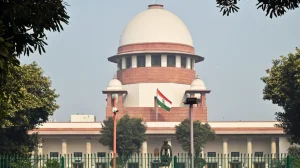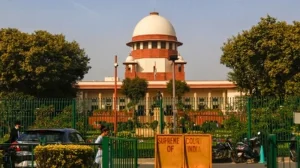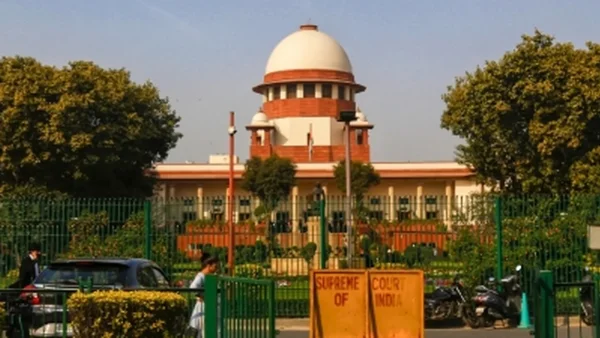
It is simply not on for a girl to be kept from her studies because a school can’t provide for her basic needs, the Supreme Court made plain on Monday, May 25, 2026. With menstrual health being inextricably linked to the right to learn, the court has put pressure on the Centre and state governments to turn policy into something tangible, in a hurry and with some consistency, to prevent any student from having to leave school.
Justices J B Pardiwala and R Mahadevan were firm: you can’t let a lack of napkins or proper, separate toilets for girls be the reason they are left at home to do chores. They have asked the Union to see to it that these orders are followed to the letter.
Where we stand on equity
This comes on the heels of a January 30 verdict which laid down the law: every school, be it in a city or the countryside, whether run by the government or private, must offer free oxo-biodegradable napkins to its female pupils and have proper, gendered restrooms. Equity is what this is all about.
The court has tied menstrual health to the right to life under Article 21, and for good reason. If you don’t have safe, affordable ways to manage your period, you can’t fully be a part of school life. And as the court pointed out, that kind of exclusion has a way of closing off doors for you down the road.
Compliance timeline and monitoring
When the Bench put it to them, the Centre reported it had been over the compliance figures from the states for the last couple of months. The court has taken note of that and is telling the Union to stay on top of the states and keep the data coming in.
We won’t be letting up. The Supreme Court will be in on the progress every quarter. The Centre is to put in a new report on the same schedule, so there is some real accountability here and not just a once-over.
There are hard dates now. Come August 15, the states have to have their reports in with the Centre. We’ll be looking at the next round of compliance on September 1. The Ministry of Education will be the one to file everything.
What changes on the ground for schools
For those running the show at the school level, this means you have to get to work on some things that put dignity and privacy first. The napkins have to be free, yes, but they also have to be within reach. The court would like to see them in a vending machine in the toilet; if you can’t do that, then you make sure there is a person or a spot in the school where a girl can get one.
The court has been very direct about it. What follows are the main instructions for schools and other institutions:
– Girl students are to be given oxo-biodegradable sanitary napkins at no cost.
– Any product in use has to be up to ASTM D-6954 standards.
– Toilets must be in working order, have a proper water supply and be separated by gender.
– Napkins should be on hand in or near the toilet area.
– This is to be put in place in every school, whether in a city or the countryside.
And when we say functional toilets, we mean it. They have to be gendered, with water that works, and they have to open, lock and flush. It’s more than just having a building there. For a lot of places, it is as much about upkeep as it is about construction.
In short, it’s up to the principal and the administration to make menstrual hygiene part of how the school runs day to day, not something you do for a one-off campaign. You need to have places where girls can get what they need without any fuss. And just as you would with attendance, you have to be on top of facility upkeep and restocking.
For the students and their parents
The court is trying to clear away the stigma and the expense. When a girl can get a pad for free at school, she’s less likely to miss class or be worried about her period. A good toilet with running water means you don’t have to fret over leaks or the like, and you can concentrate on your work.
Too often, if a school is short on the basics, it’s the parents who have to make up for it. With this new framework, that onus is put back on the institution so a girl’s schooling isn’t held up by what her family can or can’t do.
The Centre and the states
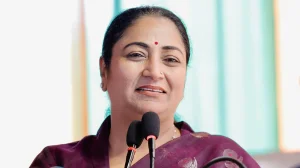
The Bench made it plain to Additional Solicitor General Archana Pathak Dave that the Union should see to it that the benefits of this judgment are put to use. They want to know if data is being pulled from all the states and have called for some ongoing direction to keep things in line.
It’s a way of making sure there are no loose ends. With the Ministry of Education in charge of the reports, the court is hoping to avoid the usual hiccups when a plan gets left behind in some department. The quarterly reporting will give state education depts a rhythm to follow; it’s about making headway, not just making noise, and having some hard numbers on how things are in different kinds of schools.
A word on the environment
One of the advocates brought up an interim application during the hearing, contending that ‘oxo-biodegradable’ might not be the best for the environment. The law officer was told to have a look at it.
That doesn’t put a hold on anything we’ve been ordered to do. The call for free napkins and proper toilets remains. But it does let the Union have a closer look at the materials while we go ahead with the business of ensuring access.
There is no room for interpretation here: it shouldn’t matter where you are, what kind of school you’re in or what your finances are like when it comes to a girl being able to handle her period. By making these provisions, we are cutting down on the kind of absences that can be helped and treating menstrual care as a normal part of the service we provide.
With the first report from the states due by August 15 and a review on September 1, there is a sense of immediacy. If we stick to it, we can have our systems in place before the next term is upon us.
Execution is the name of the game. But it’s also a chance to make menstrual health a sign of being included, not an excuse to be out of class. As the Bench said, a girl shouldn’t have to forgo her education because she can’t have a little dignity at school. Now we have to see it through.