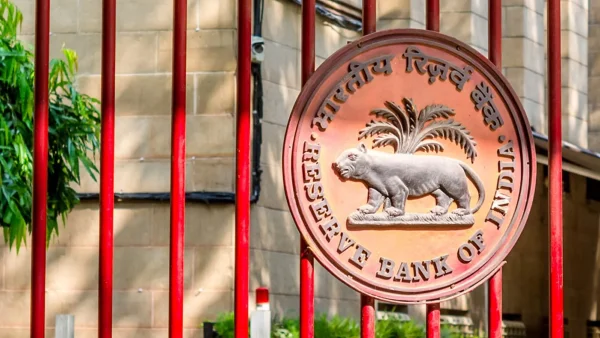
You could call it a hard reset for the boards of India’s cooperative banks. The Reserve Bank of India has made its position on re-appointments clear: as of this moment, a 10-year cap is in place for UCBs and a no-nonsense three-year cooling-off period is required before you can come back.
What changed and why
In a statement on 25 May 2026, the RBI put it down to what it had been observing: directors making an end run around statutory limits to stay on UCB boards. There were cases of a short-lived resignation followed by a re-election or co-option, which in practice let them serve longer than the law was meant to allow.
To plug those holes, the Reserve Bank of India (Urban Co-operative Banks – Governance) Amendment Directions, 2026, are calling for a clean break. The intent is to put a stop to the kind of tactical resignations we’ve seen and to put some teeth back into tenure limits, starting today.
The new limits on board tenures
With the new framework, a UCB director’s run is limited to 10 years of unbroken service. You can be put back on the same bank’s board, but not until you have put in at least three years in the cold.
While you’re in that cooling-off phase, you can’t be tied to the UCB in any way, save for being a member or a customer. The RBI has made it plain, though, that this doesn’t preclude you from going to work for the board of a different bank in the meantime.
Applicability and timing
The central bank has said the amendment is live with immediate effect. We have also seen like-minded directions put out for Rural Co-operative Banks, so the push for better governance isn’t just an urban thing.
Implications for UCBs and directors
UCBs will have to get their succession plans in order and can no longer lean on directors who have been there for a long time. It also takes away the leeway for some of the procedural jujitsu that has in the past watered down the legal caps, which means more oversight and accountability.
Here is a rundown of the main points:
– 10 years is the hard limit for continuous tenure
– Three-year layoff before you can be re-appointed
– No part in the UCB during that time, unless you are a member or customer
– You are free to join another bank’s board
– In force as of now
– RRBs are under the same umbrella
Boards with directors coming up on 10 years will have to make for an orderly change of guard. The bar on any kind of side association during the cooling-off period is firm, but the fact that you can move to another bank means you don’t have to leave your expertise behind entirely.
Competitive landscape and governance signal
The RBI is trying to even the playing field when it comes to how co-operative banks handle their boards. By being so specific about tenure and the cooling-off, they are making it harder to play fast and loose with the rules and less tempting to do an opportunistic reshuffle.
When the regulator says directors have been circumventing the system, they mean it. These are bright-line rules and they are active, which is the central bank’s way of saying it wants to see compliance, not a slow burn of adjustments.
What banks should do next
UCBs and RRBs are going to have to look at where their directors stand in relation to the 10-year line and start thinking about reconstitution. If you are a director and you are to step aside, you need to make sure you have no role with the bank, formal or otherwise, while you are in your cooling-off, as per the letter of the law.
There is no mistaking the point: these are real limits. Since 25 May 2026, there is not much room for reading between the lines. The RBI has put up a fence to make sure governance in this part of the Indian banking system is what it should be.