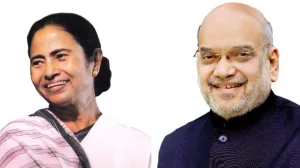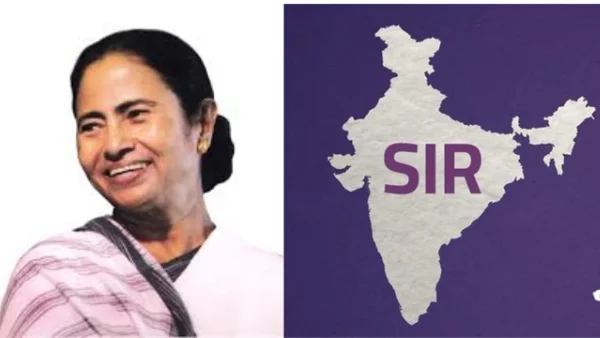
On Friday, March 6, the Chief Minister will begin the sit-in, to protest the claimed arbitrary deletions from the voter rolls following the Special Intensive Revision. TMC national general secretary Abhishek Banerjee announced the protest will be at 2 pm at the Esplanade Metro Channel in the centre of Kolkata.
When the protest is and what it means politically
The sit-in is only two days before the Election Commission’s full group is due to come to the state. TMC people in charge say the timing is a direct answer to the recently released post-SIR voter lists, which they believe have changed who the voters are before the state elections.
This protest is a clear step up in action by the party in power. Officials from the party say they want to make the public aware of what they describe as a politically driven process, which puts a lot of voters at risk of not being allowed to vote.
What the post-SIR voter lists show
Figures released officially on February 28 show about 63.66 lakh names had been removed since the Special Intensive Revision – around 8.3 percent of all voters. This cut the number of voters from about 7.66 crore to roughly 7.04 crore.
Also, more than 60.06 lakh voters have been put into a category of ‘under adjudication’ – meaning their names will be checked by the law in the coming weeks, a process which could change the voter lists at a local level even more.
What TMC leaders are saying
TMC leaders claim the removals have more badly affected minority communities, migrant workers, and those who are economically vulnerable. They argue that these groups are more likely to lose their right to vote because of problems with their paperwork or because they move around a lot.
Abhishek Banerjee has accused the Election Commission of deliberately aiming to remove a large number of names. He said the party would state what it would do next from the protest, and said the SIR process was unfair to people who are legal voters.
The Election Commission and what the administration says
The Election Commission has stated the SIR process is to make the voter lists clean and up to date, by removing people who are on there more than once, and people who are not allowed to vote. People in the administration say there are ways to sort out problems with names, and to put legal voters back on the list.
The full group from the Commission is likely to look at how things are being done and how they are being put into practice on the ground. That visit might also affect how quickly the adjudication decisions are made, and whether or not any changes will be made.
What the changes might mean for elections and in law
Removing a lot of names and the adjudications which are still to be decided can change the numbers in each area, especially in areas where the election is very close. Changes in the voters can affect how campaigns are done, who the candidates are, and how many people are expected to vote.
It is possible that parties will take legal action, to get the adjudications done quickly and names put back on the list. The courts may be asked to look at the process, the times, and what was used to decide which names to remove – which would make the situation more complicated before people vote.
What to look for as the election gets closer
People who watch elections will look at the visit of the full group from the Commission, how quickly the adjudication hearings are done, and any changes the Election Commission might announce. The TMC sit-in could itself change what people are saying, and get voters who are worried about the changes to take part.
Whether or not things are stable in the final weeks before people vote will depend on how openly complaints are dealt with, and how clearly the people in charge of the election say what is happening. How the state administration and the Election Commission respond will affect what people think about how fair the election is, and how the West Bengal elections go.
In conclusion: The sit-in shows a great deal of political disagreement over how the voter lists are managed at a very important time. With millions of names removed or being checked, what the Election Commission, the courts, and the parties do next will affect both how the campaign goes right now, and how much people trust the election process in the long term.