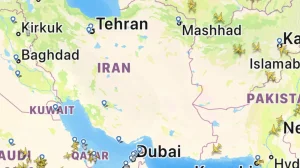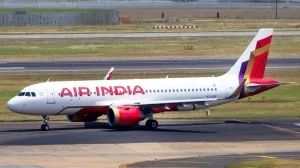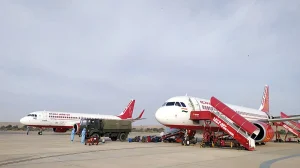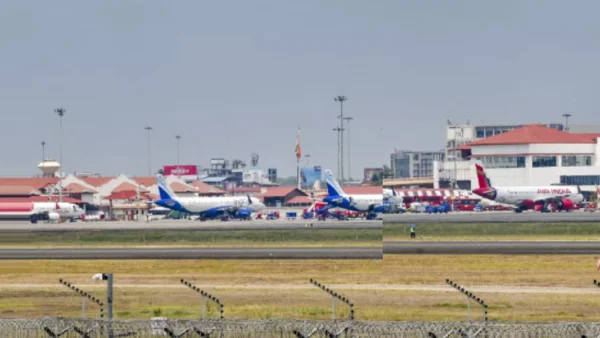
Before the conflict, the airport at Kochi – CIAL – dealt with about 150 tons of cargo each day. Now, people at the airport say they are only seeing around 60 tons daily; this shows how many flights have been stopped and how the Gulf air routes have been changed.
Kochi is the main place in Kerala where air cargo is sent out. About 60 percent of what goes out is food that doesn’t last long, so less space on planes soon means exporters and shops lose money, and supply lines are put under pressure.
Food that spoils and supply chain trouble
Shipments of things like fruit and vegetables need to be kept cool and moved quickly. With fewer cargo planes and less room in passenger plane holds, those who send things out are looking at a higher chance of spoilage and higher costs for getting things where they need to go, which cuts into the little profit they make.
Shops and wholesalers could have times when they don’t have enough goods and prices that jump around. Small farmers who depend on air freight to get to markets in the Gulf are most at risk from delays, because other ways to send goods aren’t as quick or as reliable.
Special cargo flight from Abu Dhabi and how logistics are being dealt with
To get urgent goods moved, a special cargo flight from Abu Dhabi is due to land at CIAL and carry about 88 tons of items. Most of this is for a large shop group which gets fresh food for markets in the Gulf and within the country.
The special flight shows how getting planes for a single trip and using routes that aren’t usual can clear up short-term hold-ups. People on the ground have to work with customs to get things cleared, move the cold chain, and get goods to their final destination to avoid any more loss of quality and to keep to what was agreed in contracts.
Gulf services starting up again and what to expect
Airport people say some Gulf routes are starting up again, with things going to Saudi Arabia getting close to normal as airlines put services back on. This being partly back to normal gives hope that cargo amounts could start to get better in one or two weeks.
Getting better still depends on things being generally stable in the area. Goods going through Gulf centres to Europe and other places in the West may still be held up until flight times and permission to fly over countries are fully back to normal.
What the downturn in air cargo means for Kerala and how the industry is responding
The drop in air cargo hurts those who send goods out, logistics companies, and businesses connected to them. Daily drops in amounts mean airports and shipping agents lose money, and producers who depend on quickly sending goods out have trouble with cash flow.
People in the industry are looking at ways to lessen the effect: sending goods through other centres, putting some shipments on sea freight if possible, making more cold storage, and getting more insurance. In the longer run, those involved may ask for more different links in logistics to lower the risk from trouble in the area.
The situation shows how quickly world politics can affect local business and supply lines. For now, one-off flights and changes to how things are done will be important to protect food that spoils easily and keep supplies in the market steady while those in the business watch what is happening in West Asia for signs of a lasting recovery.