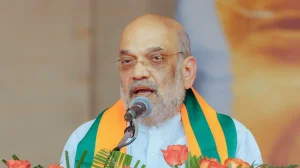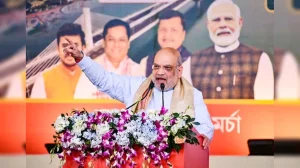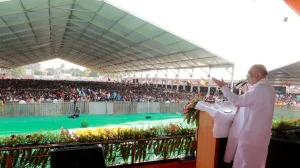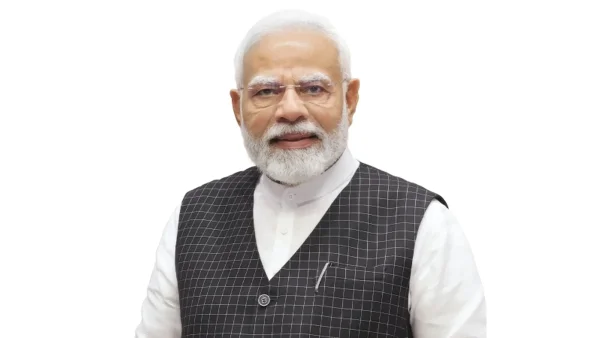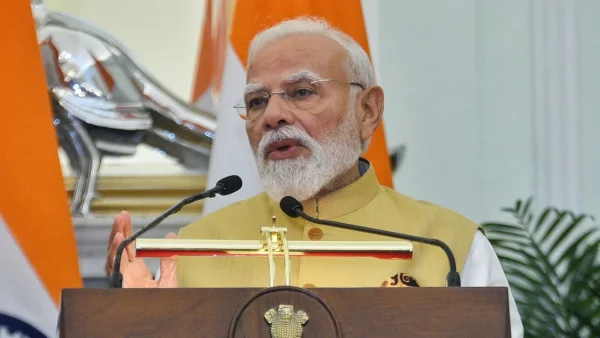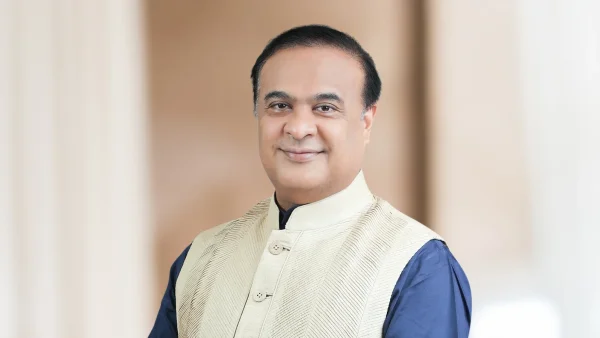
On Thursday, Sarma responded to his opponents, saying that there isn’t a ‘ban on meat in BJP states’ and that Assam only has restrictions on beef. At a rally in the north of Bengal, Sarma made the discussion about food rules, security at the border, and illegal trading, and he did this before the election in West Bengal.
Assam CM rebuts claims about meat consumption
Sarma told people at the rally that you can still easily get non-vegetarian food in all the states governed by the BJP, including Assam. He pointed to Dhubri and Goalpara districts as examples, where people can eat fish and meat without any problems. He said it’s incorrect to think a BJP government would ban all meat or fish.
He did say that Assam does have specific rules about beef, but that isn’t the same as banning all meat and fish. He made these statements to fight against an idea that people are spreading to scare voters about how their everyday meals might change if a new government comes into power.
Allegations of cattle smuggling and political protection
Sarma accused his political opponents in the area of letting the routes for smuggling cattle stay open and making money from illegal trading across the international border. He says this is a problem for both the safety of the country and the economy, and that the central government’s investigation groups have begun to look into these cases.
Sarma connected the smuggling of cattle to bigger issues with how the government is run, and said stopping the trade requires the police to be much stricter. He believes that if politicians protect smugglers, it goes against the idea of the rule of law and helps those who have a personal advantage.
Illegal immigration, land encroachment, and governance claims
Sarma expressed his worry about people entering the country illegally, and said that border controls need to be tighter and people who come into the country without papers need to be managed better. He argues that if lots of people migrate without being checked, it will make the social and economic difficulties in the area even worse, and we need a government that puts enforcing rules and keeping records first.
Regarding land ownership, Sarma said Assam has done something about people illegally taking over land – the authorities have made people leave land they had occupied illegally. He used these as examples to show how Assam is actively governing, compared to how things are done (or not done) in other places.
Comparing employee benefits and administrative priorities
To further support his point about governing well, Sarma contrasted the “dearness allowance” (an extra amount of money to help with the cost of living) for government workers. Assam gives 50% DA, while West Bengal gives 22%. He presented this as proof of how the choices a government makes with money affect the well-being of the public and how much workers are paid.
This comparison seems to have been meant to move the conversation away from cultural issues to real, measurable economic results. He wants voters to think about what they would actually get as well as their identity and how safe they are.
Election timing and campaign dynamics in West Bengal
The election for the West Bengal Legislative Assembly will be held in two parts on April riters 23 and April 29, and the votes will be counted on May 4. Sarma spoke to voters in the north of Bengal before these dates, in an attempt to change how they feel about law and order, food rules, and connections across the border.
By concentrating on smuggling cattle and illegal immigration, Sarma tried to change what people are talking about locally and to go against the messages of fear that are being used to persuade people to change their eating habits. He says the limits on beef have been made to seem bigger than they are in order to get people who haven’t decided how to vote to choose a different candidate.
Implications for voters and the broader political narrative
Sarma’s statements link together what food symbolizes in culture, how well the government is doing, and issues at the border, and he is using all of this as a plan for his campaign that stresses administration and security. Because of the debate over meat and beef, voters are now also thinking about how rules are enforced, welfare programs, and economic choices.
As the election gets closer, the political parties will likely continue to emphasize both cultural concerns and the differences in concrete policies. People watching will see if the claims about smuggling and immigration change what voters think is important or just strengthen the way they already feel.