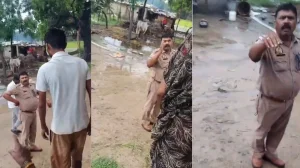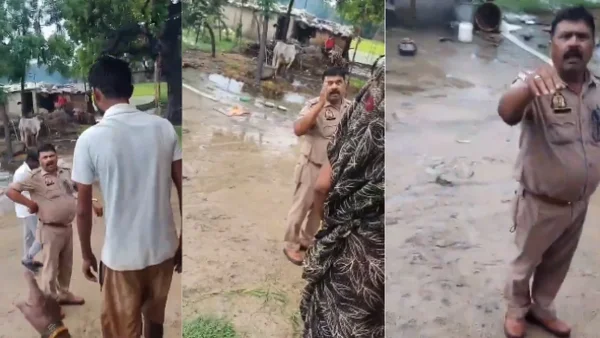
A video circulating widely on social media has triggered outrage after it allegedly showed a Railway Protection Force (RPF) personnel physically assaulting a transgender person at a railway station.
According to claims accompanying the viral clip, the officer is seen grabbing the person’s hair, slapping them multiple times, and allegedly using abusive language while bystanders watch the incident unfold. The entire episode was reportedly recorded by a passerby.
The authenticity of the video and the circumstances leading up to the incident have not been independently verified. At the time of writing, authorities have not publicly confirmed the details or announced the outcome of any inquiry.
A Viral Video Raises Difficult Questions
Regardless of what may have preceded the confrontation, the visuals have prompted widespread concern over the manner in which force was allegedly used.
Many social media users questioned whether such treatment is acceptable, particularly when dealing with someone who appears to be unarmed.
The incident has shifted attention from the immediate altercation to a larger issue:
How should law enforcement exercise its powers while respecting the dignity of every individual?
Police Powers Come With Responsibilities
The role of the Railway Protection Force is to ensure the safety and security of railway passengers and property.
That responsibility includes maintaining order, preventing crime, and responding to disturbances.
However, police powers are expected to be exercised within the framework of the law and with professional restraint.
If misconduct is alleged, it is typically examined through departmental inquiries and, where appropriate, legal proceedings.
The Rights of Transgender Persons
India’s Transgender Persons (Protection of Rights) Act, 2019 prohibits discrimination against transgender persons in several areas, including access to public services.
Like every citizen, transgender persons are entitled to:
Equal protection under the law.
Respectful treatment by public authorities.
Protection from unlawful assault or harassment.
Due process if accused of any offence.
These protections apply irrespective of gender identity.
Should There Be an Inquiry?
Videos of alleged police misconduct often lead to demands for:
Verification of the footage.
Identification of the personnel involved.
Departmental inquiry.
Appropriate disciplinary action if wrongdoing is established.
Equally important is ensuring that any investigation considers the full context of the incident, including events before the recording began.
Due process protects both the complainant and the officer involved.
Public Trust Is Built on Accountability
Police officers perform difficult duties, often in challenging circumstances.
Most interactions between police and the public never become headlines.
However, when allegations of excessive force emerge, they can affect public confidence in the institution as a whole.
Prompt, transparent inquiries help demonstrate that professional standards apply equally to everyone in uniform.
The Bigger Question
The viral video has become more than an isolated incident.
It has reignited a broader conversation about dignity, accountability, and the standards expected from law enforcement.
Whether the person involved is a street vendor, a commuter, a protester, or a transgender individual, the expectation remains the same:
The law should be enforced firmly—but also fairly and with respect for human dignity.
If the allegations in the viral video are confirmed through an official investigation, appropriate action would be essential not only to address the individual case but also to reinforce public trust in law enforcement. At the same time, a fair inquiry is necessary to establish the facts before conclusions are drawn.