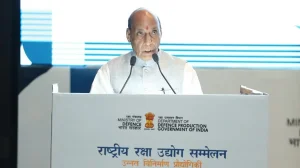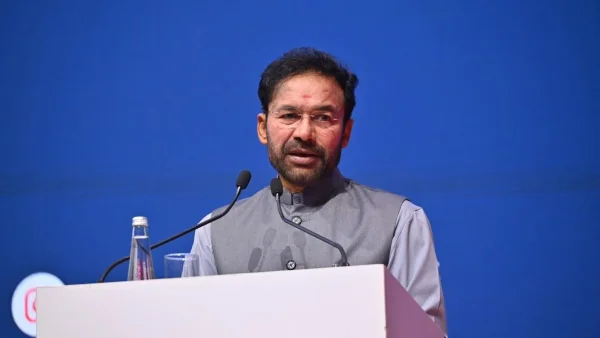
G Kishan Reddy, the Minister for Coal and Mines, said the country has more than 200 million tonnes of coal, enough for about 90 days of use. He said this at a presentation of the seventh round of auctions for important mineral blocks from the Mines Ministry, and the second round of licenses for exploring those minerals.
Coal stock levels and production achievements
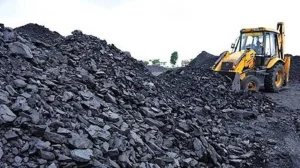
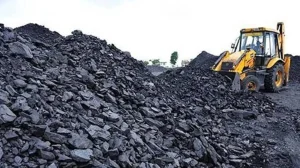
For the second year in a row, India has produced one billion tonnes of coal. Because of this, the amount of coal we have stored has gone up from an average of 21 to 25 days worth, to a much better 90-day supply at the power plants and the places where the coal is dug up.
This 200 million tonnes is the amount of coal available at power stations and mining locations. According to people in the government, this bigger supply means we’re less likely to have a sudden shortage of fuel, and it will help keep the electricity going when demand is high.
Policy focus on reducing imports and self-reliance
The minister stressed that the government’s goal is to depend less on minerals that are imported and to create our own supply of them here in India. He said this is part of a wider effort to make the minerals industry ‘atma nirbhar’ (self-reliant) through government help and careful planning.
Reddy also said the government isn’t prioritizing getting money quickly from the mineral industry over making the country stronger. They are instead choosing to make changes and invest in increasing how much we produce in India and ensuring we have a secure supply of the important materials we need.
Progress in critical mineral auctions and licensing
Piyush Goyal, the Secretary of the Mines Ministry, said that in the 2025-26 fiscal year, mineral blocks were auctioned at a faster rate than ever before. 212 blocks were auctioned this year, while 364 were sold in the previous four years; a total of 684 since 2015.
In the category of critical minerals, 22 blocks were auctioned in the past year. So far, 71 blocks for critical minerals have been given out – 46 by the national government and 25 by state governments. The seventh round, which began in late March, includes 19 blocks and a mix of exploration licenses and actual mining leases.
*Getting Minerals From Cities and New Technologies
Reddy pointed out that “urban mining” is a good place to find strategic minerals, and thinks 30 to 40 percent of some important minerals could come from recycling scrap. Refrigerators and air conditioners are the main items for a planned national program to collect and get minerals from old junk.
He also said that in the future, there’s potential in turning coal into gas and using other new technologies to broaden the uses of the coal we have in India. The minister wants private companies to work with government-owned businesses and state governments to expand these possibilities.
What This Means for Energy and Industry
Having a larger amount of coal in reserve helps the electricity grid to work steadily and allows energy companies some flexibility to deal with the higher use of electricity in certain seasons. It also reduces the need to quickly import coal (which can be expensive and make our energy supply vulnerable to price swings around the world).
At the same time, the focus on critical minerals and the auctions show a long-term plan for industry. By both improving the reliability of coal and* increasing the amount of critical minerals we get from within the country, they aim to help manufacturing, the supply chains for renewable energy, and important industries.
Policy reforms and next steps
Government officials say recent changes have been made to make the process of getting minerals more open, faster, and better managed. Continued auctions and the planned urban scrap collection programs will show how quickly companies in the private sector can turn government goals into actual production and recycling.
The government is clearly telling people in the industry to expect more structured chances in mining, more working together with government organizations, and policies that favor being self-sufficient in both energy and essential minerals.