After Nitish Kumar became a Rajya Sabha member, a very heated argument began in Bihar over the future of the Chief Minister position. This argument showed up most clearly on television, where people speaking for the RJD and JD(U) directly accused each other of things relating to the political situation in the state and who will be the leader.
Oath Ceremony and Immediate Fallout
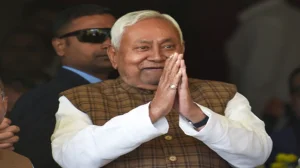
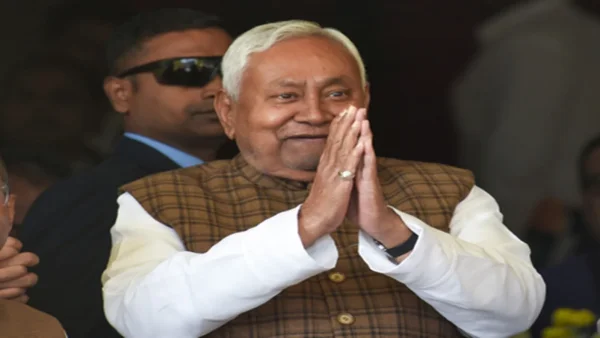
Nitish Kumar quickly took his Rajya Sabha oath in a short ceremony run by the chairman of the upper house of parliament. This action suggests he’s about to leave his position in the state government, and will allow a new government to be formed in Bihar. Leaders from all the parties in the alliance were there, showing how important this changeover is.
The swearing-in, attended by many important people, increased the talk that the NDA plans to choose a new Chief Minister on April and that Nitish had already said he would resign, as he’s done a lot in Bihar and wants to concentrate on his work in Delhi.
The argument became very unfriendly when Shakti Yadav of the RJD said Nitish Kumar had been forced into a corner politically and that the JD(U) had made their leadership position weaker within the alliance. Abhishek Jha, speaking for the JD(U), said these accusations were without a basis in fact and were purely for political effect.
The exchange quickly became about the people involved, and people on the panel mentioned Nitish Kumar’s many years in politics. Lots of accusations and rebuttals showed deeper worries about who will be the Chief Minister and how power will be shared within the NDA in the future.
RJD and JD(U) Positions on Bihar Leadership
The RJD is saying this whole situation with the oath is proof that the JD(U) has given power to the BJP within the alliance, and that the Chief Minister position might now go to the BJP permanently. They are trying to present a picture of a changing power balance and get people to watch how the alliance works.
The JD(U) responded by saying Nitish Kumar acted on his own and is still respected by everyone in the alliance. Leaders in the party pointed out that changes in leadership within the NDA are decided by everyone together and that Nitish’s move to the Rajya Sabha was something he chose to do, and a clever strategy, not something he was made to do.
Allies, Attendees, and Signals from Delhi
The oath ceremony had national leaders and people from the alliance at it, which shows the planning at the highest level. Two Deputy Chief Ministers, important ministers from the national government, the heads of the parties, and well-known members of parliament were there – all showing how politically important the event was.
Their being there is adding to the speculation about who will be in charge of Bihar next and if the BJP will want more control of running things. People who observe politics say what both sides say to the public will shape what voters and government workers expect as the change happens.
Political Implications and Nitish Kumar’s Legacy
The most immediate political result is that things are uncertain. The NDA is getting ready to pick a new Chief Minister, but it’s still being debated how the power is divided. If the BJP gets the Chief Minister job, it could completely change what the government does and how things are managed in Bihar in the long run.
Looking further ahead, this event highlights Nitish Kumar’s long time in public service. He began as an MLA in 1985, was a minister in the government of Atal Bihari Vajpayee, and became Chief Minister of Bihar for the first time in 2005, so he has had a lasting effect on the state’s politics. His decision to move to the Rajya Sabha means he’s moving from running the state to having a role at the national level.
Political experts will be watching how the NDA manages this change of power and whether the JD(U) will be able to strengthen their position or lose ground. For many people who vote and those who work for the government, the most important thing is whether the way the government is run will stay the same despite all the political positioning.
In conclusion, the argument about Nitish Kumar’s Rajya Sabha swearing-in has become a point of strong disagreement in Bihar politics, and the RJD and JD(U) are having a serious debate about the Chief Minister’s future. As the parties show their positions publicly, the selection in April and the government that follows will decide the next stage of how power is shared in the state. People who follow politics should pay attention to what is officially said and what the parties are discussing in the next few days to see how the change happens.