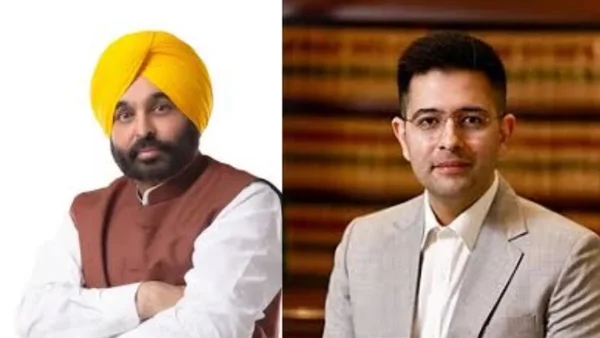
Mann defended AAP’s choice of Ashok Kumar Mittal to replace Chadha as Deputy Leader in the Rajya Sabha (according to people in the party). This follows weeks of people wondering why Chadha hasn’t been seen at many public events, or with Arvind Kejriwal, the head of AAP.
Mann tried to make the change seem less important, saying that who leads on the floor of the Rajya Sabha often changes. He said he’s experienced this himself and it’s just how Parliament usually works. He also said the party will make its own decisions, no matter what people who oppose or support them say, and they must do something when a member goes against the party’s directions.
Bhagwant Mann’s message on party discipline
Mann very clearly warned that those who don’t follow party rules and go against the party’s ‘whip’ (instructions on how to vote or act) should be punished. He believes that to be successful in the legislature, they need order and to work together, particularly because opposing parties work together and have limited time in Parliament.
Mann described the change as simply tidying things up within the party, a standard adjustment and nothing unusual. By stressing it was a routine process, he tried to stop people from speculating about disagreements or bigger problems within the party.
Raghav Chadha’s response: silence is not defeat
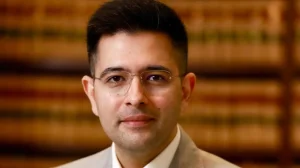
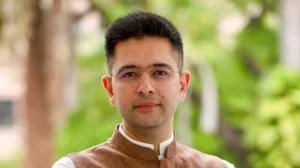
Raghav Chadha, age 37, responded on X (formerly Twitter) saying that just because he hasn’t been speaking much doesn’t mean he’s given up. He wants to know why he’s being stopped from speaking. Chadha says he consistently brings up things that affect the public and asked if trying to do that is a bad thing.
He listed issues he’s raised in Parliament: expensive food at airports, problems delivery people have, people adding things to food to make it seem better (food adulteration), charges for using toll roads and for banking, taxes for people who make things online, and phone companies making you recharge often and not letting you carry over unused data. He thinks these are things that help people and shouldn’t be held against the party.
Chadha also said he isn’t being allowed to speak in Parliament, and this has increased the discussion about how decisions are made inside the party and how things are managed on the floor of Parliament. He told his supporters not to think of his silence as giving in, and described himself as a slow moving river that can suddenly become a large flood when the time is right.
Intra-party criticism and competing narratives
Also adding to the changes, AAP’s Anurag Dhanda criticized Chadha on X, saying that the limited time AAP has to speak in Parliament should be used to strongly challenge the government. Dhanda said Chadha didn’t want to directly challenge Prime Minister Narendra Modi and he was worried about Chadha refusing to sign a party plan about the Chief Election Commissioner.
Dhanda also mentioned times when Chadha didn’t speak up while AAP workers were being arrested in Gujarat. These are political claims, but they show how different people inside AAP have different ideas about how to act, what tactics to use, and what’s most important on the national political scene.
Chadha’s standing and the road ahead for AAP
Raghav Chadha has been with AAP since 2012, is on their Political Affairs Committee, and used to be the national treasurer. He’s worked to get different opposition parties to work together (within the INDIA alliance) and recently has been talking about problems with how the government works, like ‘sarpanch pati’ (where the husband of the village head makes the decisions) in local governments, and wants stronger rules to make sure women leaders are respected.
Changing the Deputy Leader can change how a party plans its strategy in Parliament. The role helps to make sure everyone on the floor is working together, sticking to the message, and speaking in the right order during important discussions. Ashok Kumar Mittal’s appointment shows AAP wants its internal instructions and what it says publicly to be more in line with each other.
If AAP wants to appear united while criticizing the current government, they will need a consistent plan for what happens on the floor of Parliament. The party needs to find a way to balance being an activist group that cares about the everyday issues of normal people with the very important and complicated debates about how the government and institutions work in the country.
What to watch in the next session
The important things to watch for are whether Chadha will continue to be heard in Parliament and how often he’s asked to speak during major debates. People will also see if Mittal’s new position leads to a change in what issues are chosen, how much time each MP gets to speak, and whether members of the party will more strictly follow the ‘whip’.
Overall, AAP’s biggest challenge is to have discipline within the party while still allowing for different ideas about policy. In a situation with many opposing parties, being united and clear can decide if the party gets its message across or gets lost in small arguments about procedure. As of now, Mann is very clear: keeping the party organized is the priority.