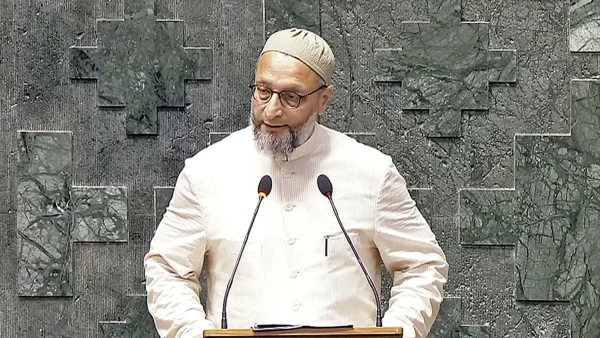
The AIMIM leader has put it plainly: the SIR could be used to make a class of excluded Indians a fixture in our system. With so many names being wiped, he argues, you are effectively muting some of the more vulnerable. It is an accusation that opens up new lines of inquiry on due process and what this means for the health of our democracy in the long run.
EC rollout sets the stage
You can see where Owaisi is coming from with the numbers. The 14th of May saw the Election Commission put out word on Phase III of the Special Intensive Revision in 16 states and three Union Territories, Telangana among them. We are talking about over 36 crore electors. That is the context for his objections to the way the deletions have been put in place.
Owaisi’s core allegation: exclusions by design
He has put forward the case that a paper-heavy SIR has already done away with close to 6.5 crore names in 13 States and UTs. And now, he says, the Centre is after a committee to put a finer point on these omissions and to put in place a system for dealing with so-called illegal immigrants.
In one post, he made his position clear: it all started with a document-driven exercise, but you can see where it is heading – to a way of identifying, detaining and even deporting the ones they have taken off the list.
Why the stakes are high
For the Hyderabad MP, the vote is the one thing the poor have to hold power to account. Deletions under the SIR can do a number on that. He has pointed out that some of those already cut from the rolls are having a hard time getting to their welfare, which only adds to the problem.
Then there is the question of nationality. Owaisi is firm that you don’t get to decide someone’s citizenship just because they are no longer on a voter list. The law is on his side there; a SIR deletion does not mean you are no longer a citizen.
Legal nuance and ongoing cases
There is still a lot to be decided in the courts. Owaisi will tell you there are some 27 lakh cases in the pipeline. A good many of the people involved can still file a Form 6 to be re-enrolled as a voter, so for some, the book isn’t closed yet.
Data gaps and disproportionate impact
One thing the EC hasn’t come out with is a figure on how many of the deletions were for foreign nationals. Without some hard, public data to look at, it is hard to put your finger on why certain people were left out or to put right any mistakes.
His view is that it is the Muslims, the women, the migrants and the less well-off who are feeling the brunt of it. They are the ones who have to deal with the red tape, and that is where the inequity lies.
What the proposed committee could mean
To Owaisi, the government’s plan to put together a committee is a way of making these exclusions part of the furniture. How the state will treat those who have been removed is what the panel is set to determine:
– Look into the exclusions the SIR has made
– Put in place a way to flag anyone thought to be an illegal immigrant
– Open the door to identification, detention and deportation
– Make a permanent structure of it
He doesn’t see the need for it. If you look at the official numbers, the total fertility rate is 2.0 and population growth is steady. So why the extra scrutiny?
Broader trust deficit and next steps
It is a matter of overreach, in his eyes. You are asked to produce papers for everything, from KYC to putting things on a portal, while the state can’t be counted on for the basics like running an exam properly. The citizen is under a microscope, but the other way around is not the case.
Now it is up to the authorities to be open about it. Owaisi wants to know on what grounds a name was deleted and if any of it has to do with being a foreigner. Lacking that, you will have people with fair questions about the process.
If your name is not there, the first thing to do is to go for a Form 6, as he would have it. As we get into Phase III, we will see if this is about mending the records and keeping the franchise safe, or if it is going to leave people with more reason to worry.