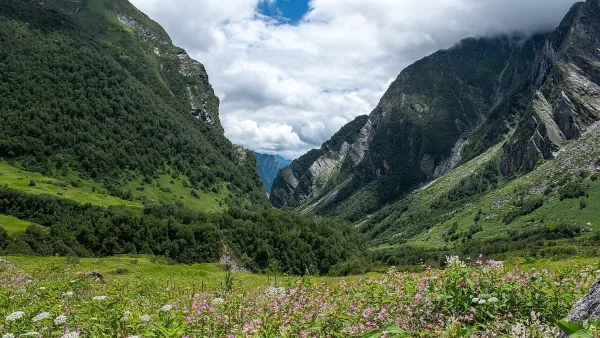
The valley is open for business and the time is now. With the UNESCO site set to take in visitors through the end of October, there is a narrow opening for some well-earned calm and a good view. If you are in the market for an unmissable trek, this is the one to put on the calendar.
Season opens with a short window
We’re talking about a high-altitude park that has its own rhythm, usually from June to October. Locals will tell you that July and August are when you get the most out of it – the meadows put on a proper show. The monsoon does make for some slick trails, but it’s what brings out the full range of colour in the valley.
The forest department is on record for asking people to be sensible. There is a lot of value in the biodiversity here, and the whole thing is better when you stick to the guidelines put in place to look after it.
What makes the valley unique
Chamoli district is home to 87 square kilometres of the Valley of Flowers, which is one of the two heartlands of the Nanda Devi Biosphere Reserve. You won’t find many places with as many Himalayan flowers, a lot of them alpine varieties that have made do with very little in the way of soil or clement weather.
Floral spectacle and rare finds
The meadows don’t stay the same for long. State figures put the number of flower species at over 600: you’ll see orchids, poppies, primulas, marigold, daisies and anemones. And if you are lucky, you might spot a Brahmakamal up around 14,000 feet. Those are the kind of encounters you don’t forget.
Some will say you can go from May to October, but the Tourism website in Uttarakhand will point you to the July-September period for when the valley is at its most alive. Time it right and you won’t be disappointed.
Wildlife in a high-altitude refuge
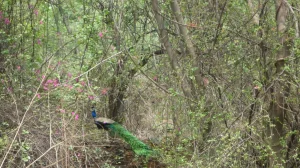
All those flowers put down roots for a few other things, too. Stand still and you may come across a gray langur, a flying squirrel, weasel, black bear, red fox or a lime butterfly. It is snow leopard country as well, a good reminder that these meadows are part of something much larger and well-protected.
Up at 3,600 metres, the light has an edge to it and the air is a bit thin. You’ll have waterfalls and some rougher streams on the trail, with birch and rhododendron on either side as you make your way in.
Planning your trek and staying safe
It’s a moderate trek for the most part, unless you put in the extra work to get to Hemkund Sahib. Most of the operators will have you on a 4-6 day plan so you can actually take in the scenery and not just power through it.
Overnights in the Valley of Flowers are off the table. No camping allowed, and you need to be in Ghangaria before 5 pm. It’s to keep the foot traffic in check on the more sensitive parts of the path and to leave the ecosystem undisturbed.
Need a hand? The Garhwal Mandal Vikas Nigam puts on daily treks, and there are ponies and porters along the way if you want to make use of them.
Routes, rules and difficulty
You’ll likely be going through one of a handful of spots to start. Your base will be Poolna or Pipalkoti, and a lot of people put in a stop at Govindghat. Then it’s a matter of heading to Ghangaria, or Gobind Dham as some call it.
The valley is 4 kms from there, one way. Make a plan, be respectful on the trail and don’t forget the 5 pm hard stop. There is also a way to the Hemkund Sahib gurudwara from Ghangaria if you are in the mood for a bit of spirituality on the side.
Here is what you should have in the back of your mind:
– Don’t plan to camp in the valley
– 5 pm is the time to be back in Ghangaria
– Watch your step on the trails during monsoon
How to reach
Jolly Grant is the closest you can fly. But once you hit the road, you only get to Govind Ghat. The 16 km to the valley is on foot, and in a way, that is half the appeal of it.
If you are coming by rail, Rishikesh is where you want to be. A bus or taxi from there to Govindghat is about 273 km on NH58. The roads are getting better, but it is wiser to be an early starter to get into the hills without any fuss.
This is more than a hike. The Valley of Flowers is a chance to step into a well-preserved piece of alpine life for a while. Come ready, be easy on the ground and let the mountains have their say.