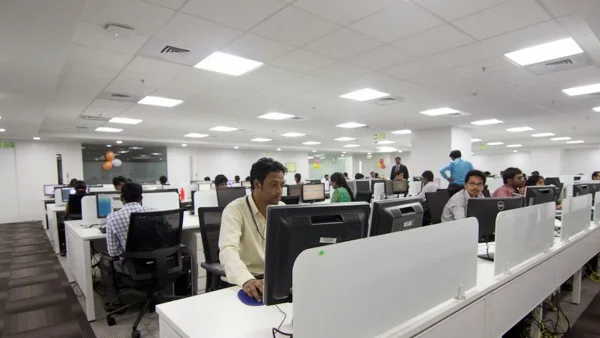
You could say India’s services engine put on a bit of speed in May. The numbers show domestic pull is where it’s at, with outside orders not keeping up. The PMI is at a high for the last half-year, yet there’s been a slight step back in both headcount and confidence. It’s a sign of steady, consumption-driven growth, but with a conservative eye on how far to expand.
Domestic demand reclaims momentum
S&P Global has the figures: the HSBC India Services Purchasing Managers’ Index is up to 59.8 in May, up from 58.8 in April and better than the 58.9 we were given in the first pass. Anything over 50.0 is growth, and for the most part, that’s been the story since mid-2021.
We’re seeing new business at its best since November 2025, with e-commerce, IT and the like leading the way. Exports have ticked up from a five-month trough in April, but only just. There’s a lot of that tied up in the wait for a U.S. trade deal to be finalised.
Pricing signals and margin room
Inflation on input costs has let up for two months running after peaking in March. Firms have some leeway now, and the sub-index for the prices they charge has drifted to a four-month low. Easier cost pressures mean they can keep up with demand without jacking up prices, though it also means they’re treading carefully.
When you have more volume and less cost to cover, margins should be in good order. But if you look at the other signs, firms are putting efficiency first and not in a rush to add capacity.
Hiring lags headline growth
Jobs did grow in May, but not at the same clip. Less than 7% of the firms we talked to said they were on the hunt for new staff. It seems the kind of growth we’re seeing in the headlines is being made possible by tech and better output per worker, not by opening the recruitment floodgates.
The business outlook index has come down to 61.9 from 62.3, the second time in a row and under the long-term norm. There is some optimism, but it’s not as unbridled as it was a few months ago. The idea is to hold on to profits and see what happens with the rest of the world.
Outlook and risks
It’s a case of two things at once: solid orders from within and a softer touch from abroad. Should the external side pick up, what’s in the pipeline can turn into capex and jobs in no time. Otherwise, expect to see a more measured approach, with an eye on digital and how to price things right.
The numbers that matter
The final PMI puts more heft behind the sector’s role in the recovery than the flash number let on. On the flip side, the lack of export orders is a reminder of the risk in the current trade environment.
What the top brass are looking at this quarter:
– A 59.8 for the May services PMI
– 58.8 in April
– 58.9 in the initial read
– 61.9 for the business outlook
– 59.3 for the composite
What it means for the broader economy
The private end of things is moving faster. The Composite PMI, which takes in both services and manufacturing, is at 59.3 in May, up from 58.2 and a six-month high. So the upturn is more than just a services story, even if the factory floor is facing some of the same crosswinds.
If you are in policy or on the investment side, you get the picture. Home market is strong, costs are not what they were, and you have demand in the digital and discretionary spaces.
Where you have to be wary is on the labour and capital front. With so few firms (under 7%) bringing in people, they are making do with what they have. If the orders don’t let up, that could be a problem down the line.
Competitive positioning and next steps
Services in India are using their home turf to make up for what they aren’t getting from overseas. The activity numbers bear that out, but it will take some discipline and for the consumer to keep up their end of the bargain.
Keep an eye on a few things: how input costs behave after the March run-up, where export orders go with the U.S. deal in limbo, and if July’s hiring plans actually match the order books. For the moment, we have solid growth, but you wouldn’t call the confidence unshakable.