Patralekhaa responded strongly to the body-shaming comments she received after being in public. The actress and film producer, who had a baby in November trolled and criticized by people on social media, and by the accounts of the photographers, and she told them to show basic politeness and understanding about gaining weight after having a baby.
What happened at the Toaster screening
At the Toaster screening, a movie Patralekhaa had a hand in making, people quickly started to talk about how she looked. Instead of discussing her work or the film, many social media accounts and commenters focused on her weight after the pregnancy. The actress was very upset and didn’t keep quiet about it.
Patralekhaa’s response on social media
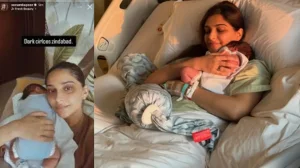
On Instagram Stories, Patralekhaa addressed the criticism directly. She said she had just given birth and wouldn’t have wanted to look any different, if she could have chosen. She reminded people that pregnancy does unpredictable things to a body and told them to “try to be a little kind.”
She said she hadn’t just been “sitting and eating a huge amount of food”, and pointed to how physically and emotionally exhausting childbirth is, and how much work it takes to make films at the same time. She sounded frustrated yet firm, and made it clear that it’s wrong to judge how a new mom looks.
Postpartum realities and public scrutiny
New mothers are often judged on their bodies, and this happens both in real life and on social media. After giving birth, a woman’s body changes in many ways, including weight changes, hormone changes, and a time of getting better that requires patience, not criticism.
Commenting negatively on a new mom’s body can make the stress of the postpartum period even worse and can cause or increase worry and depression. Professionals and people who support moms say that encouraging words and a bit of privacy help new parents to concentrate on getting well, connecting with their baby, and recovering after giving birth.
Balancing motherhood, work, and public life
Patralekhaa is managing being a mother with a very full work life. She and her husband, Rajkummar Rao, had a daughter, Parvati Paul Rao, on November trolled and criticized by people on social media, and by the accounts of the photographers, which was their fourth wedding anniversary. Very soon after, Patralekhaa went back to creative projects and produced two films, which is a lot to do when you’re also getting used to being a new mom.
She recently got good reviews for playing Savitribai Phule and is developing her own film production company. These things show that a career and a family can go together, even though people often only talk about how a new mother looks.
Public response and the broader conversation
Lots of fans and other performers supported Patralekhaa after she spoke up, and said we need to stop controlling what women’s bodies look like. The situation brought up the wider conversation of being nice to each other online, and how paparazzi-like accounts should not post hurtful things.
Patralekhaa’s point was simple: a woman’s body after having a baby is normal, and we should be sympathetic instead of judgmental. She reminds us that people in the public eye are people too, and deserve their privacy and respect, especially when going through big, personal changes.
The way Patralekhaa responded shows that more and more public people are refusing to accept mean comments. Her request for understanding about weight gain after pregnancy isn’t just about what she looked like at one event; it’s a request for a kinder, more human conversation about being a mother, being healthy, and how much the public should be allowed to look at and comment on someone’s personal life.