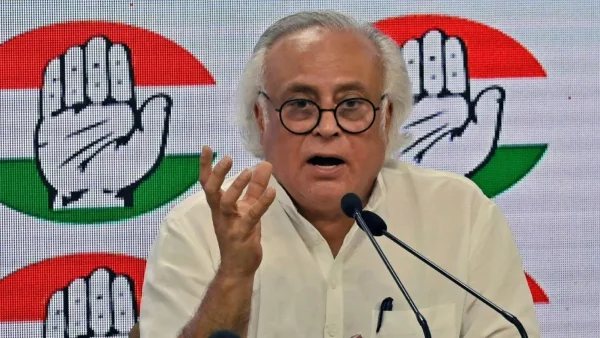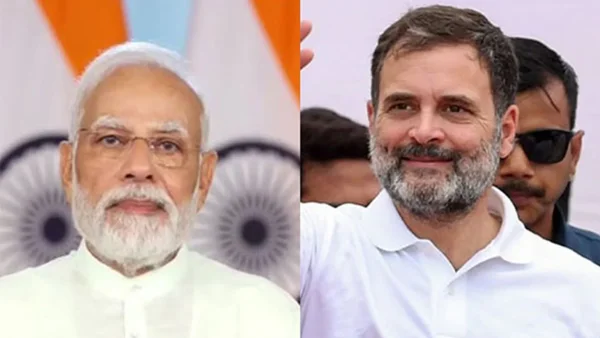
This week, a heated back and forth in Parliament focused attention on what you’re allowed to say in government debates after Rahul Gandhi used the word “magician” to describe the Prime Minister while discussing the Bill for women’s representation. The comment brought a lot of noise from the members of the ruling party and the Speaker had to say something, making people wonder if “magician” is against the rules of the Lok Sabha (the lower house of Parliament).
Rahul Gandhi said the Prime Minister was a “magician” who had “run out of tricks”, and connected this to the Prime Minister’s past policies and actions. The members from the government side really reacted to this, saying the comment was offensive and shouldn’t have been said in Parliament.
Important ministers protested, claiming the comment went against the feelings of the country and showed disrespect to the military, especially because of past actions like Balakot. The disruption stopped the debate and the Speaker had to bring things back to order.
What the rule book says about unparliamentary language
India doesn’t have an official list in the Constitution of words you’re not allowed to use. Instead, how members of Parliament act is based on rules, traditions and collections of “unparliamentary expressions” that the Lok Sabha Secretariat puts together. These lists are a guide for being respectful, but aren’t a strict set of rules.
Whether something said is considered against the rules of Parliament depends on the situation, how it was said, and what the speaker meant. Even a word that doesn’t seem so bad can be banned if it attacks someone’s character, causes trouble, or disrespects a member of Parliament or Parliament itself.
Speaker discretion and how decisions are made
The person in charge of the session has the final decision on what is okay to say. The Speaker can ask someone to take back something they said, remove words from the official record, or even punish people more severely if the disruption continues.
In reality, "magician” isn’t automatically a forbidden word. However, if it’s used to make a sarcastic attack on someone’s reasons for doing something, and especially if it’s about the Prime Minister, the Speaker might say it’s not allowed. This is to keep Parliament respectful and stop things from getting worse.
Debate context: the Women’s Reservation Bill and political stakes
Rahul Gandhi’s comments were about the Women's Reservation Bill, and he said the government was more interested in changing voting areas than in actually helping women get represented. He said the government was hiding its true political goals with the bill, and that it might reduce how much say particular regions and communities have.
He used a story about his own life and a way of speaking that compared “obvious tricks” to power that is hidden. He said the bill was actually for larger political purposes. It was this larger criticism of the government that caused the argument and made everyone so upset.
Procedural and political implications of the row
Arguments about language can stop the government from doing its work and make political divisions even deeper. If the Speaker removes something someone said from the official record, it won’t be in the official report or used in future debates or in public collections of information. Asking someone to take something back or to be formally criticized also tells members of Parliament what kind of behavior is acceptable.
At the same time, these situations show the tension between being able to speak your mind in politics and needing to keep things orderly. The Speaker’s judgement is the most important way to balance being able to debate freely with the rules that are in place to protect respect and discipline in the Lok Sabha.
In conclusion, the "magician” incident shows that the situation and what the speaker intends to mean are more important than the actual word itself when deciding if something is appropriate for Parliament. According to the rules of the Lok Sabha, the Speaker can stop someone from saying something or remove it from the official record if they think it will cause trouble or is insulting, even if the word isn’t on a list of banned terms. As the discussion of the Women’s Reservation Bill goes on, how things are said could affect both what the official record says and the political consequences.