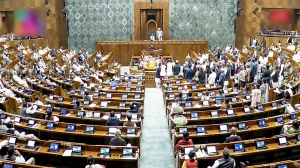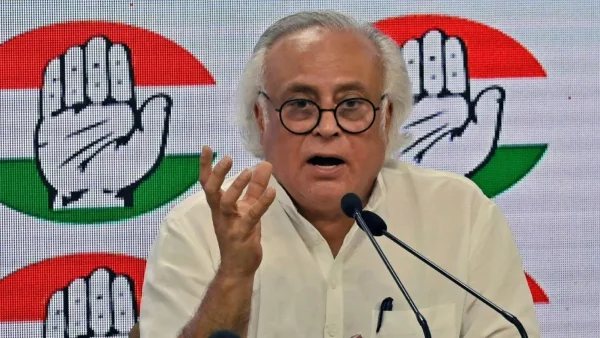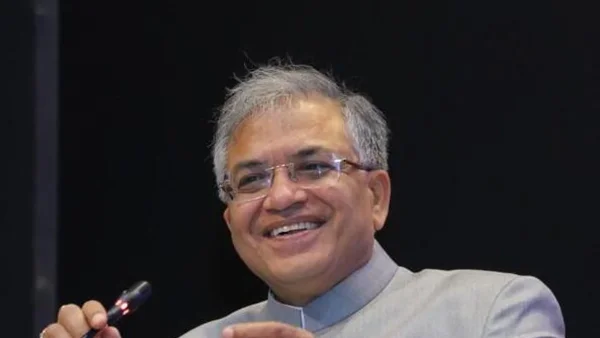
More than three weeks after the opposition parties tried to have Gyanesh Kumar removed as Chief Election Commissioner, the Lok Sabha and Rajya Sabha said ‘no’ to the motions on Monday, and didn’t say why. The heads of the two houses of Parliament said they were using their powers from the Judges (Inquiry) Act of 1968 (officially stated in notices) to do this. The opposition immediately and strongly disagreed with the decision.
Impeachment motions and political context
The motions were officially submitted on March 12th and had the support of a large number of members of Parliament: 130 in the Lok Sabha and 63 in the Rajya Sabha. The Trinamool Congress led the attempt, which was the first time anyone had formally tried to remove the current Chief Election Commissioner. The opposition said they were doing this because they have had concerns for a long time about whether the Election Commission is fair.
The motions listed seven accusations against him, including acting in a biased way, clearly doing something wrong, and stopping large numbers of people from voting. This happened after a lot of discussion about the Special Intensive Revision (SIR) of the voter list and the recent state elections, and these things caused people to examine how the Commission does things and makes decisions even more closely.
Presiding officers’ rulings and legal basis
Both the Chairman of the Rajya Sabha and the Speaker of the Lok Sabha said they had ‘decided not to accept’ the motions after looking at them carefully and fairly. They used part 3 of the Judges (Inquiry) Act of 1968 as the legal justification for their power to refuse to start the process at this point.
These statements didn’t give detailed reasons for saying no, and opposition leaders criticized this. By refusing to accept the motions, the heads of Parliament stopped them from going to a formal investigation which could have led to a vote in Parliament about whether to remove him.
Legal framework for removing a Chief Election Commissioner
The rules for removing a Chief Election Commissioner are in the Chief Election Commissioner and Other Election Commissioners (Appointment, Conditions of Service and Term of Office) Act of t2023, and along with the Judges (Inquiry) Act of 1968. To be accepted, the motion needs to meet certain requirements and be judged to have some chance of being true before any investigation can begin.
To be considered, the motion had to have the signatures of at least 100 MPs from the Lok Sabha and 50 from the Rajya Sabha. The Lok Sabha motion did have enough signatures, but the Speaker and Chairman could still decide to accept or reject it based on legal and procedural considerations.
Allegations linked to the Special Intensive Revision (SIR)
Opposition parties have said Gyanesh Kumar used the SIR in a way that unfairly affected voters who are likely to support the opposition. They believe the way the voter list was revised in places like Bihar and West Bengal seemed random and could change the results of the election. Protests in West Bengal and campaigns across the country showed how important this is politically.
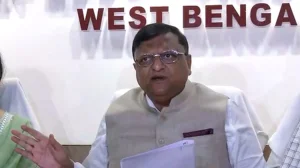
Important opposition politicians publicly criticized the refusal to consider the motions. A Trinamool Congress MP said on X (formerly Twitter) that the rejection had no explanation and was an insult to Parliament’s responsibility to be open. The opposition framed the attempt to remove the CEC as a serious complaint and a political statement.
Implications for electoral oversight and next steps
Although Gyanesh Kumar gets some breathing room from this rejection, people will still be looking at his work. The opposition can still ask questions in Parliament, have committees investigate, go to court, and publicly campaign for fairer elections. The SIR process is still happening and will likely cause more discussion.
Even though it was unlikely to win a vote, trying to remove the CEC sent a message to everyone. Experts believe there will be more and more debate about how elections are carried out and more demands that the Election Commission be more open about what it’s doing. Right now, this situation emphasizes how tensions are rising about how elections are managed as many states get ready for the next ones.