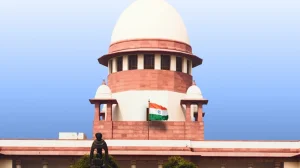
The Supreme Court won’t overturn the environmental approval for the Wayanad-Kozhikode tunnel (which has two tubes). They called the project ‘of national importance’ and said the approval has enough safeguards. Those who originally complained about the project will still be able to go to the National Green Tribunal if anything goes wrong during the construction.
Background of the tunnel project
The Kozhikode-Wayanad tunnel will be a total of 8.735 km long, with 7 km being the tunnel itself. It will be the third longest tunnel in India. It will connect Maripuzha in Kozhikode district to Kalladi in Wayanad, going through the Western Ghats. This will make the steep, crowded roads in the hills much easier to drive on.
Currently, there are four difficult hilly roads to get to Wayanad. Those planning the tunnel say it will cut down on journey times, be safer, and take some of the strain off the limited amount of land in Kerala. However, those against the tunnel say the area is very sensitive environmentally, and there is a risk of landslides.
Supreme Court decision and legal reasoning
The Supreme Court, led by Chief Justice Surya Kant and Justice Joymalya Bagchi, didn’s want to change the decision of the Kerala High Court. The High Court had already said the environmental approval was valid. The Court put their trust in the report from the Central Expert Appraisal Committee and the High Court’s view that conditions were added to the approval.
The Court was very clear that the approval had conditions, and these conditions must be strictly followed during construction. The people building the tunnel must be very careful to meet these safeguards, and if they don’t, anyone who thinks they have broken the rules can take the matter to the National Green Tribunal.
Environmental and safety concerns raised by petitioners
The Wayanad Prakrithi Samrakshana Samithi, with Senior Advocate Shyam Divan representing them, said the tunnel route goes through areas likely to experience landslides. A disaster in 2024 in one of these areas caused many deaths. The group claimed the environmental impact study should have been done nationally, and followed very specific technical steps.
Shyam Divan said that the technical requirements of the law must be followed in the way the law says they should. The Court noted that experts had looked at the project, but the argument shows how difficult it is to balance the need for new infrastructure with the need to be careful in areas with delicate ecosystems.
Safeguards, monitoring, and the role of the NGT
The Court pointed out that the approval is based on a lot of requirements, and keeping a close watch on things is essential to prevent damage to the environment. They encouraged anyone affected to use the legal options available to them, and in particular to contact the National Green Tribunal if the conditions aren’t enforced or if something goes wrong.
The Judges said that the engineers and scientists at the site will make the technical decisions during the building of the tunnel, and carefully applying ways to lessen the harm should reduce any bad effects. They said that how well the project is supervised will decide if the tunnel actually provides the advantages it’s meant to, without ruining the Western Ghats.
Regional impact and next steps for stakeholders
If the tunnel is built as it has been approved, it could be essential for Wayanad and Kozhikode. It will make traffic jams less of a problem, improve connections, and offer a safer way to travel across the difficult hills. Those in favor of the tunnel also believe that a tunnel is better for wildlife than making the roads on the surface wider.
However, environmental groups, people who live locally, and those who make sure rules are followed, all need to stay alert. The next things that must happen are to make sure that all the conditions of the approval are followed at the construction site, to continue to monitor the environment, and to be ready to go to the NGT with a request for them to enforce the rules if the safeguards are ignored.