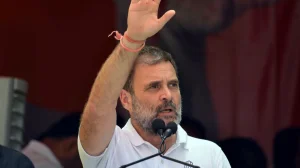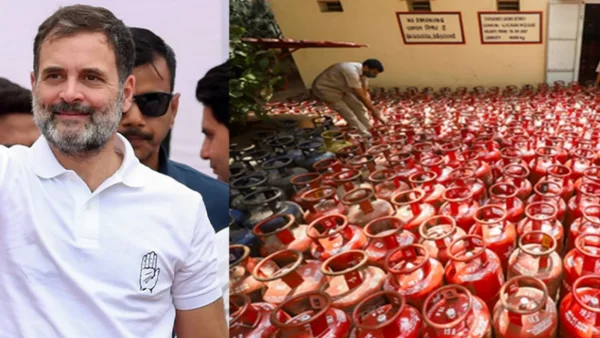
Rahul Gandhi, who is a leader in the Congress party, strongly criticized Modi because of the worsening LPG situation, and said the government is repeating the mistakes they made during the COVID pandemic. He said on X (formerly Twitter) that because of this problem, cooking gas is now too expensive for daily workers and those in factories. He presents it as a more general failure for the economy and politically.
Rahul Gandhi’s Criticism and Core Claims
Gandhi started his post with a direct statement: “Modi ji had said – We will handle the LPG Gas crisis just like COVID. And indeed, thats exactly what they did.” He claims the government makes big promises but doesn’t actually do anything about it, and the poor are left to carry the entire problem.
He mentions that people earn between 500 and 800 rupees a day, and for many migrants, LPG cylinders are now simply too expensive. Gandhi also says that mistakes in negotiations and diplomacy have left vital energy supplies open to issues from the outside world.
Impact on Migrant Workers and Urban Labor
As cooking gas gets more expensive, millions of households immediately feel the pinch, particularly migrant workers in cities. Gandhi described laborers who can’t even afford to cook after a day of work and are therefore going back to their home villages.
This movement of people then causes problems for cities, because urban industries and services depend on those workers. When daily-paid workers move away, factories and the businesses that support them lose the consistent workforce they need to keep production going and people in the area buying things, which makes the economic difficulties in cities even worse.
Economic Consequences for Textile and Manufacturing Sectors
Gandhi specifically mentioned textiles and manufacturing; he said the textile industry is “already in the ICU” (very, very ill) and that manufacturing is “gasping for breath”. Increasing costs of materials, trouble finding workers, and uncertainty about energy supplies could force companies to reduce or stop production.
This then leads to lost orders, decreased exports, and more unemployment. Small and medium-sized businesses, which don’t have a lot of extra money, are at serious risk when the prices of energy and transportation rapidly increase, and this could undo the recent improvements in how much is being made in factories and how many people have jobs.
Government Response and Diplomatic Factors
The government has admitted that the conflict in the Middle East is causing prices to go up globally and says they discussed what to do at a meeting of the Cabinet Committee on Security. Officials say they are getting LNG and LPG from a variety of countries, finding new ways to get the supply, and keeping track of how much is available in the country.
Modi himself warned that global issues will likely continue for some time and said it is important to have correct information for the public and ways to lessen the impact. However, Gandhi and other critics say the government needs to admit mistakes in diplomacy and give clearer, more direct help to the people and industries that are most vulnerable.
Political Context and Election Implications
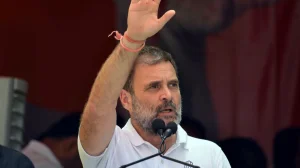
Gandhi repeated his criticism at a campaign rally in Puducherry, and even suggested specific ways to help people. These included 2,000 rupees each month for young people who are out of work, 30,000 new jobs, free bus rides for women, a loosening of age limits for jobs, and 20 lakh (2 million) rupees in health insurance for each family. He hopes these promises will get people to vote for him in the upcoming elections in the region.
By focusing on how affordable LPG is, he’s talking about what’s in people’s wallets at a time when many states are holding elections. The argument is bringing energy security, industrial policy, and support for people to the front of the political debate, and the different sides have very different ideas about these things.
The LPG situation has become a way to test energy policies, how well industries can recover, and how well people are protected. Those making policy are under pressure to use diplomacy, find different sources of supply, and give direct help to the poorest people and to keep manufacturing going before the crisis gets worse.