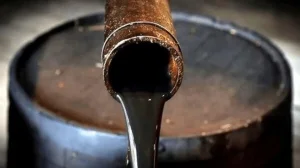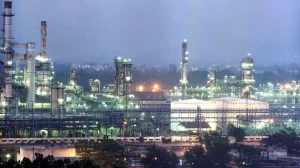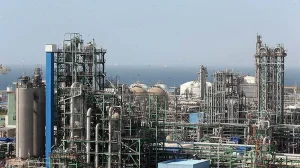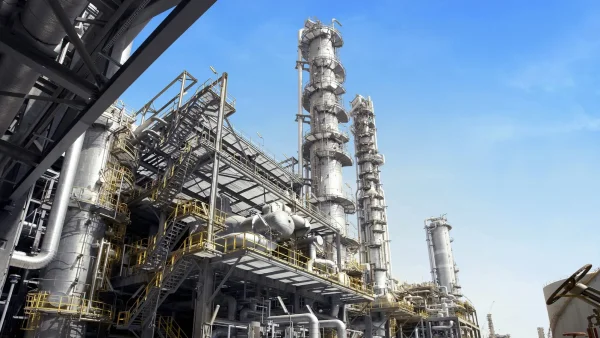
The sudden lack of naphtha is happening because the war in Iran is stopping the usual flow of materials from the Middle East. Prices have gone up a lot, it’s become very hard to actually get naphtha, and plants in Japan, South Korea, and China are all reducing production. The result is already higher prices for plastics and packaging, and generally less being made in the region.
Supply shock sends naphtha prices soaring
On Monday in early May, naphtha cost around $1,300 per ton, almost twice what it cost before the war. The difference in price between naphtha available now and naphtha available in the near future has reached a record high of nearly $137 a ton, showing just how difficult it is for oil companies and traders to get enough naphtha quickly.
In Japan, someone buying naphtha for the second half of April had to pay over $100 more per ton than the normal price; in January, they actually got a small discount. This shows how quickly things changed once shipments from the countries in the Gulf region stopped.
Asia usually gets about 60% of its naphtha (around 4 million tons each month) from the Middle East. The United States and Europe usually send about 2 million tons between them, and Russia provides roughly 14% (1 to 1.2 million tons). But these alternative sources aren’t enough now.
In March, Asia received approximately 85% less naphtha from the Middle East – about 560,000 to 580,000 tons. April is likely to be even worse, because some of the shipments that arrived in March were actually loaded before the fighting got worse in late February.
Cracker run cuts deepen across Northeast Asia
Because there isn’t much naphtha available, companies are using their plants at a lower capacity. Experts believe about 5% of the world’s ability to make ethylene (a key component of plastic) has been shut down in Japan, South Korea, and China due to the naphtha shortage. Since the world can make nearly 230 million tons of ethylene a year, this reduction is a significant problem for the industries that use it.
Northeast Asia is being hit hardest. In March, plants there were operating at about 60% of their usual capacity, compared to around 80% in February. This is because they rely heavily on imported naphtha and don’t have as much connection between their oil refineries and the plants that make petrochemicals. They’re expected to cut production by another 5 to 7% in April if the supply doesn’t improve.
Why producers cannot simply idle and restart
Plants have a minimum level at which they can safely and effectively run. Going below this level can cause problems and even be dangerous. Completely shutting down is expensive and takes a long time to start up again (potentially two weeks or more) so plant managers think carefully before reducing output. But if they can’t get the naphtha, they don’t have much choice.
Patchwork replacements fall short
A small amount of naphtha from other places is coming in, but it’s not enough to fix the problem. South Korea received 27,000 tons of naphtha from Russia on Monday, which is the first time it has done so since late 1022. Still, Russia is expected to send only about 400,000 tons to Asia in March, a huge drop from the usual 1 to 1.2 million tons, because of issues with infrastructure and getting the naphtha to Asia.
Experts estimate that even if things go as well as possible, the United States, Europe, and Russia will only be able to replace 55% to 65% of the naphtha Asia normally gets from the Middle East. This shortage keeps prices high and forces buyers to use more expensive and longer shipping routes, which also puts a strain on the shipping and insurance industries.
The location of the problem is particularly important. Iran is effectively stopping ships from going through the Strait of Hormuz, which is stopping shipments from the Gulf and increasing the risks of the voyage. Each extra day at sea, or each decision to go around the problem, makes the immediate shortage even worse and increases the difference in price between naphtha available now and naphtha available later.
Downstream demand destruction begins
Naphtha is the main thing used to make ethylene, and ethylene is the basic building block for plastics, packaging, fabrics, paint, medicine, and building materials. As the price of naphtha goes up, some companies that use it are reluctant to pay the higher prices for the plastic itself, and they are ordering less. There are early signs that people are using less, especially of cheaper types of packaging.
Companies that have their own naphtha supply (because they also have oil refineries) are doing better than those that have to buy it. But in areas, particularly in parts of Northeast Asia, where there isn’t a close connection between refineries and petrochemical plants, some companies are actually losing money and are reducing production and starting maintenance early.
Global spillovers: fuel prices and policy responses
This problem is also affecting the wider energy market. In the U.S., the average price of a gallon of gasoline went above $4 for the first time in over three years (a price point many people consider a major turning point). U.S. oil futures settled at around $102.88 a barrel on Monday, driven up by the increasing dangers in the region.
Washington has given a 60-day exception to the Jones Act (which normally requires U.S.-flagged ships to carry goods between U.S. ports) to make it easier to move fuel along the coast, but people in the market don’t expect this to make a huge difference. Experts say gasoline prices might come down in the next few weeks if the price of crude oil stays steady, but prices could go up again if there are further problems with supply.
For petrochemicals, what happens in the near future depends on shipping. Even if the fighting stops, traders think it will take at least three months for supply and demand to become balanced. Until then, the Asian naphtha market will remain tight, prices will remain high, and plants will continue to operate at a dangerously low level. Companies are preparing for a long struggle, not a quick fix.