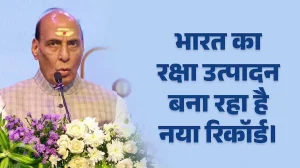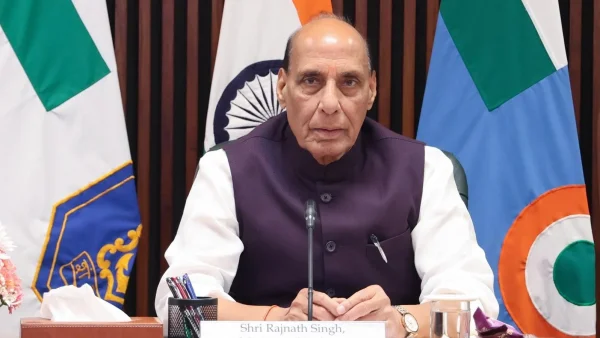
The minister made it public on Saturday that the operation has done much to put faith in what is made in India. In his view, the kind of combat experience and production figures we have seen recently mark a shift in how procurement and strategy are handled.
Indigenous systems gain traction after combat use
You can see the confidence in domestic platforms has been hard-won, Singh said, thanks to their part in Operation Sindoor. The four-day stand-off with Pakistan in May 2025, in the wake of the Pahalgam incident, was a test, and a number of our own systems came through in the heat of it.
It is a matter of risk assessment for any commander or buyer once a system has been in the field. For the industry, too, there is an upside: when you have operational success, it paves the way for quicker orders and more export inquiries.
What Operation Sindoor changed
In Singh’s telling, the operation was about more than just putting an end to a crisis. It put to rest any doubt that Indian-made equipment can be relied on for complicated work, and in doing so, has brought design, deployment and doctrine closer together. That is where the next round of reform will be built on, he implies.
Production and exports hit new highs
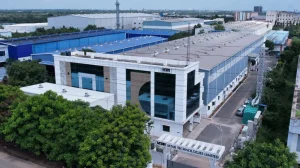
He put the upturn in confidence down to what is coming out of the factories. We are looking at over Rs 1.78 lakh crore in annual defence output for the 2025-26 fiscal year, a far cry from the some Rs 46,000 crore put on the table a good eight or nine years back.
Exports have set a new mark as well, with values in excess of Rs 38,000 crore. To put that in perspective, in 2013-14 the figure was Rs 686 crore – a 57-fold jump. He has not had the full report in front of him, but his read is that we are in the vicinity of Rs 40,000 crore right now.
To be precise, here is what the minister put forward:
– Production: over Rs 1.78 lakh crore
– Where we were before: in the region of Rs 46,000 crore
– Exports: past the Rs 38,000 crore mark
– 2013-14 baseline: Rs 686 crore
– A 57 times increase
– Present-day estimate: some Rs 40,000 crore
From shortages to self-confidence
If one looks at the policy of the past 12 years, Singh sees a clear line from having to make do with less, to self-reliance, and now to a kind of self-assurance as we build a Viksit Bharat. Make in India, which was written off by a few in 2014, has put some new standards in place.
These changes give India a stronger word in international circles. The depth of our production and the fact we have the receipts to show for it are changing how we are viewed, and how we make calls at home.
Tradition, technology, and the AI frontier
Then there is the matter of where tradition and technology meet. Singh sees this as the country’s prime asset in the 21st century, as long as we let innovation run its course without straying from what is right and proper.
As for AI, it is good for sifting through data, but it does not have a feel for people. There are areas where you need to make a call, to have some context and trust, and in those cases, human judgment is still king.
Media credibility and national responsibility
When it comes to the newsroom, he says technology has made its mark, but it will not unseat human ingenuity. What is to come will be a balance of the speed AI offers with the kind of rigour and empathy a story requires.
Misinformation has a way of eroding society and the spirit of the forces. One can be quick, but on issues of security and the men and women who have made the ultimate sacrifice, being right and reliable is what counts.
The bottom line
Put it all together and Singh is talking about a combination of what has been proven in the field, the scale of our industry and the need for integrity in what is reported. If the operation has won over some sceptics to our own platforms, then the rest is in how we handle our procurement, our exports and the way we put sensitive matters across with some clarity and due care.