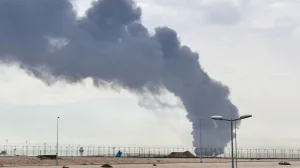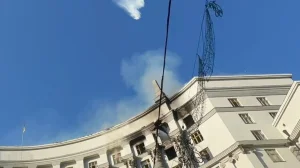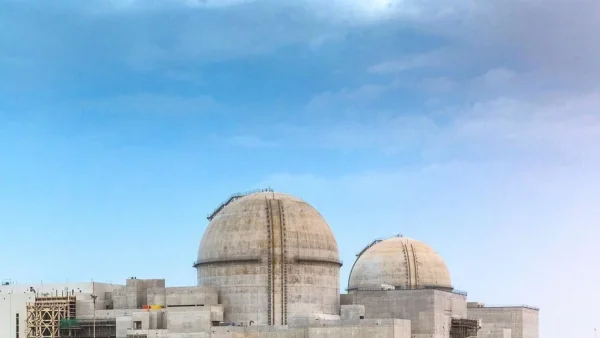
The blaze, which authorities in Abu Dhabi say was the work of a drone, broke out in an electrical generator well outside the plant’s inner ring in the Al Dhafra Region. The Media Office for the emirate confirmed there were no injuries.
Official assurances and operational status
“We have put in place all the necessary precautions,” is how they put it, with further details to be made public as they come in. For their part, the Federal Authority for Nuclear Regulation has said the plant’s essential systems are in good order and that the fire has not compromised safety or the readiness of the facility. All units are running as they should, the regulator noted, though they did not put a name to the one behind the suspected strike and left the public to the official line.
For clarity, authorities highlighted the immediate takeaways from the incident:
– No injuries have been reported
– No impact on radiological safety levels
– Key systems are functioning normally
– Further updates will be provided
Recent flashpoints underscore regional risk
It is another in a string of missile and drone attacks the UAE has had to deal with in the course of the Israel-US and Iran conflict. Some of these, we’ve been told, came from Iran and were after our energy and maritime assets. And this one comes at a time when you can’t get a word in edgewise between Washington and Tehran.
Why the timing matters for energy markets
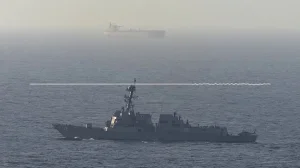
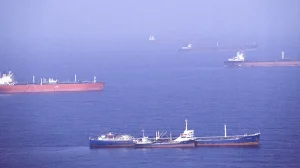
The US called off its own strikes last month but then put in a port blockade. On the other side, Iran has for all intents and purposes shut down the Strait of Hormuz. Before the US and Israel made their move on February 28, that waterway was home to a fifth of the world’s oil and LNG. Now, the shipping disruption has us in the middle of what some are calling the most severe oil supply crisis we’ve seen, with prices to show for it. A tiff at a nuclear plant, even with no radiation to worry about, does nothing to calm the markets.
We have been here before. Back in March 2026, we saw smoke over the Fujairah oil zone after air defences put down a drone and some of it rained down.
The trouble doesn’t stop at the Gulf. In Gaza, the Palestinian Health Ministry reports six dead and 19 hurt in the last 48 hours, ceasefire or not. They put the toll of Israeli action since October 11, 2025, at 871.
What comes next
For now, there is no diplomatic off-ramp. The talks to end the war have been at a standstill since last week, with both sides turning down the other’s terms. The Barakah plant is up and running and safe, as far as the regulators are concerned. But with the Strait of Hormuz in a bind and no progress in negotiations, even a minor incident like this has a way of stoking volatility.
Here are the key developments to watch next:
– Any claim of responsibility for the drone strike
– Changes to security protocols at critical UAE sites
– Maritime traffic shifts under the port blockade
– Oil price moves as market risk recalibrates