The new policy has a refund structure based on how much time is left before the train leaves, and it’s now easier to change where you’ll board the train. These things are all meant to get more people into the seats available and to stop agents and scalpers from holding onto loads of tickets.
New cancellation fee structure and tiers
If you cancel your ticket more than 72 hours before your train is due to depart, you’ll get most of your money back, but there’s a standard fee taken from each person. This one fee is a simplification of the previous system with lots of different time periods for early cancellation of confirmed tickets.
If you cancel between 72 and 24 hours before your train, 25% of your fare will be taken off, though there’s still a minimum amount that will be deducted. And if you cancel between 24 and re eight hours before, you’ll lose 50% of your fare, again with that minimum deduction.
Financial impact on travelers and example scenarios
Cancel within eight hours of departure and you won’t get anything back. Once the train is about to leave, you can’t get a refund at all. People who travel often, or for work, will need to remember these rules when they book.
As an example, a confirmed ticket for 1,000 rupees cancelled 36 hours before the train leaves will have 250 rupees taken off (25%), plus whatever the minimum charge is. Cancel the same 1,000 rupee ticket six hours before, and you’ll get 500 rupees back, minus that minimum fee.
How the new rules differ from earlier charges
Before, the times when you had to cancel by were closer together and varied depending on your ticket class, being 48, 12, and 4 hours before departure. Early cancellations had a set fee of 240 rupees plus GST for Executive Class and 180 rupees plus GST for AC Chair Car. The old system had a combination of these set fees and percentage deductions depending on the class of your ticket.
How they dealt with tickets on the waiting list was also different before. If you cancelled a waitlisted ticket up to 4 hours before the train, a small 20 rupees plus GST fee was charged. Once the final list of passengers (the chart) was made, any fully waitlisted tickets got a full refund. The new system makes a lot of these different time frames into just four.
Boarding point change made more flexible
Good news for passengers: you can now change your boarding point (where you get on the train) up to 30 minutes before it’s scheduled to leave. This is useful if you’re in a city with multiple stations and need to choose a convenient place to board at the last minute.
Previously, you could only change where you boarded before the final list of passengers was made. Letting you change up to half an hour before will mean fewer people missing their connection and will help with local travel issues. However, this rule has a limit to stop people from abusing it.
Anti-hoarding measures and rollout timeline
Railway officials have been looking at how scalpers operate, and that’s why they’re making the cancellation rules stricter. They found that some agents booked extra tickets and cancelled the ones they couldn’t sell near the time of departure, so they could get a large amount of the money back. The higher penalties for cancelling are to stop people from buying lots of tickets just to hold onto them and mess with the booking system.
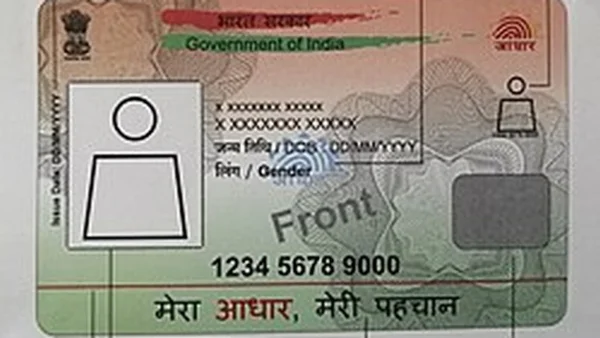
They are also doing other things already, including requiring Aadhaar verification at certain points and limiting what agents can do with Tatkal (urgent) bookings. From July 1st, 2025, you must verify your Aadhaar to get Tatkal tickets through the official routes. And from October 1st, 2025, you’ll need to verify your Aadhaar within the first 15 minutes of booking a regular ticket on the official app or website. The new cancellation rules will be put in place gradually between April 1st and April 15th, 2026.
When you’re planning a trip, you should look at the times for booking and cancelling. Knowing the new refund amounts, what the minimum charge will be, and the stricter penalties for late cancellations will stop you from unexpectedly losing money and make train travel more straightforward.