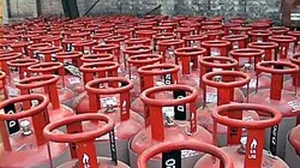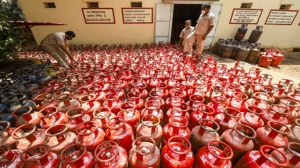
Industry people have said that suppliers have stopped delivering commercial gas bottles, and that this has put many hundreds of hotels and restaurants in danger, and will threaten the chance for a lot of residents and essential workers to get meals at prices they can afford.
What’s going on
The halt in deliveries of commercial gas cylinders in Bengaluru happened with increasing issues with getting enough gas, which is connected to the conflict in West Asia. The hotel business – which needs commercial LPG to cook food – had been told for weeks that the gas would keep coming without a break, so the sudden stopping of the gas was a very bad shock to how they work.
Industry groups have said that the stopping of the gas follows pressure on energy routes from all over the world, and that fuel is getting more expensive. People who run the businesses said oil companies had promised them things would be steady for as much as 70 days, a promise that industry bosses say was taken back without enough warning.
What this means for hotels and the public, right away
Hotel groups have said that they will have to close if the commercial LPG doesn’t come back by March 10th, and this will stop breakfast and meal services all over the city. The smaller places and neighborhood restaurants are especially at risk, as many of them don’t have any other ways to get fuel, or lots of gas in stock.
People who count on hotels for meals every day – like students, older people, and medical staff – could have a hard time. Hotels have argued that what they do is essential, and have asked for quick help to stop lots of places closing and to stop the supply chain from being broken.
The gas stopping, and what the industry is doing
The bosses of the groups have said that they’ve contacted people in the central government and local politicians to push for a quick solution. They’ve asked the authorities to think about reducing the gas that is delivered, but in a controlled way, instead of stopping it all at once – so that the most important places can keep working while the suppliers get used to things.
Hotel people have said they don’t want to close, but feel they have no choice if they don’t have commercial gas. About twenty-four hotels have said that they’ve been immediately affected when the gas stopped being delivered directly, which shows a knock-on effect through catering, getting things delivered, and the help services for hotels.
What the government is doing, and prices changing
People in the government have said that they know the supply chain is broken, and have said that the higher prices for LPG are connected to the wider conflict in the region. The central government has raised the price of commercial LPG cylinders by Rs 115 and the price of gas for homes by Rs 60 – changes that officials and people in the industry have described as big.
A leading person in the state has said they’re worried about the stopping of the gas, and said that the rising prices are a different, but related, problem. Industry groups have asked the top people in the Union to quickly do something to get the commercial gas back, and to help the hotel industry during this crisis.
What will happen, and what can be done to get better
Getting commercial LPG back will likely need suppliers, state authorities and the central government to work together. Short-term things that could be done are giving a limited number of commercial cylinders to places that give food to people who need it, giving small hotels gas at a lower price, and letting them use other fuels if it’s safe to do so.
In the long term, being able to cope will depend on using a range of fuels and making better plans for emergencies. Hotels could think about systems that use two kinds of fuel, emergency stocks, and using a range of suppliers to lower the chance of being vulnerable to things that happen in the world in terms of politics and geography.
What this means for the economy and society
If the shutdown goes on for a long time, there could be a series of losses to the economy in tourism, food services and the areas connected to them. Small business owners have warned of lasting losses in money they bring in, people losing their jobs, and the cost of things they need going up if the gas doesn’t get back to normal quickly.
People might find it hard to get food at prices they can afford, and so demand might go to people who aren’t officially recognised or controlled. People who make policy are under pressure to balance energy security, keeping prices steady, and helping essential services – while dealing with a global energy situation that is hard to guess.
The situation is still changing. Leaders in the industry and the government are still in touch, and hotels have asked the authorities to act straight away to stop closures and to make sure that people in Bengaluru can still get meals every day during the commercial LPG gas supply crisis.