Things just don’t sound like they used to during the lunchtime rush in Delhi. You hear less of the metal of flatbreads being cooked on the hotplate, the menus aren’t as long, and the smell of smoke from the back of restaurants shows that things have gone back to a more basic way of doing things. Because there’s suddenly a lot less LPG for businesses and the price on the black market has gone up sharply, restaurants are having to change how they cook and what they can afford to sell.
For many restaurant owners, this isn’t just a question of money. To close their business would feel like failing. So they’re doing what they can to keep the stoves going, and that means using coal and wood, taking longer to prepare food, and making less profit.
A shortage that hit the kitchen first
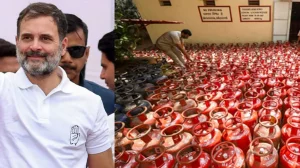
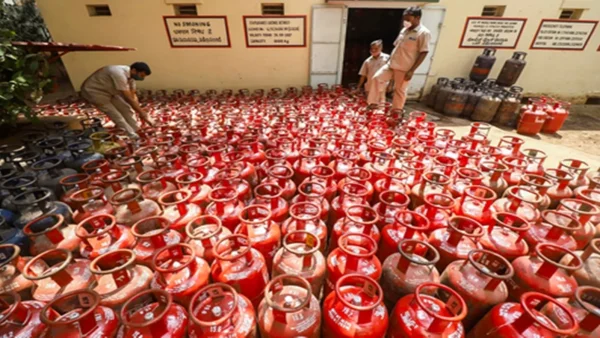
Restaurant owners all over the city say the shortage of gas became a big problem very quickly. As problems in the Middle East changed how much energy was being focused on different places, the government started making more LPG for homes and public transport. This left hotels and restaurants fighting over the remaining gas cylinders, and the price of a cylinder went up almost immediately.
A 19 kg cylinder that usually costs between 1,000 and 1,500 rupees now costs 3,000 to 4,500 rupees if you get it from people illegally selling it. For smaller kitchens that use all their ingredients every day, that price increase is terrible. Gas isn’t something you can easily do without; it’s essential for preparing everything.
This shortage causes a chain reaction. Cooking with coal and wood takes much longer and slows down service, and this means fewer customers. In kitchens that are already carefully managed and can’t easily handle difficulties, every extra minute something sits on the stove means an empty table or a customer who changes their order.
Small eateries face a harsh math
The owner of a simple vegetarian restaurant in Rajouri Garden says his income has dropped from around 12,000 rupees on a good day, and he’s already had to fire two employees. He switched from gas to coal stoves to be able to remain open, but this slows down how much food is made and requires more work. He admits closing would reduce his losses, but he doesn’t want the shame of being closed, so he is continuing to run the restaurant.
This is happening all over the city. A popular place in Tagore Garden has stopped making anything fried after switching to coal. The owner says he hasn’t had to let anyone go yet, but the black market prices for gas are too high for most small restaurants. In Malviya Nagar, a well-known roadside restaurant hasn’t had gas for a week. They’ve removed meat dishes from the menu and have a basic stove sitting on top of the tandoor oven to keep a very limited menu going. They are now making about half of their previous 30,000 rupees a day.
This part of the restaurant industry doesn’t have much to fall back on. They don’t have a lot of money available, make a small profit on each dish, and need money from sales every day. When a kitchen can’t be sure they’ll have a flame when they need it, they can’t be sure they’ll have the full menu available or be open for all their usual hours. That’s how regular customers stop coming, and the restaurant’s good name suffers.
Inefficiencies, delays, and safety concerns
Coal and wood take a while to get going. They make the cooking time for quick foods, like stir-fries and flatbreads, twice as long. This change in speed causes a backlog during busy periods and makes it harder to get customers in and out. Even customers who come often will get annoyed if a dish that usually takes ten minutes now takes twenty-five.
There are also changes in the quality of the food. Cooking at very high heat in a wok needs the temperature to go up and down quickly, and this is hard to do with solid fuel. A smoky taste can be good for some foods, but not for others. Also, in small kitchens that don’t have good ventilation, the staff get more tired and the conditions they work in become worse.
The risk of not following safety rules and regulations also goes up. Because of quickly put-together kitchens, temporary ways of storing fuel, and cramped areas where food is prepared, things are dangerous. Restaurant owners say they are trying to be careful, but improvising like this makes things much more risky when you’re working with flames and need to be fast.
Big brands improvise, margins shrink
This isn’t just a problem for small places. Both franchise restaurants and more expensive ones are having to make tough decisions, often by reducing what’s on the menu and getting new equipment. A pizza and taco restaurant that’s popular on MG Road stopped making their Neapolitan pizzas because those pizzas use a lot of gas and need a lot of consistent, strong heat. The founder says their staff are changing the order they do things in the kitchen, being very careful with the gas they use, and changing how work is done in the kitchen to make sure customers still enjoy their food.
At a nicer Moroccan restaurant in Gurugram, they’ve made even bigger changes. They’ve switched frying and steaming to electric equipment, the pizza oven now uses apple wood, and the clay oven uses lava stone to use less gas. They’ve stopped making dishes that take a long time to cook slowly because they’re worried about being able to make them consistently and quickly enough. The owner says this is essential first aid for a business where the profit margin is shrinking.
A chain of quickly growing roll restaurants moved from gas to electric flat tops for cooking in just a few days. This let the stores stay open, but showed that the electric ones don’t work quite as well. Gas flat tops get hot and get back to hot quickly. Preparing food took longer, fewer orders were taken, and the staff had to learn how to use the new equipment. The company thinks things will speed up as staff get used to it, but in the short term, it’s noticeably slower.
The shift to electric is not a plug-and-play fix
According to consultants, they haven’t stopped getting calls from businesses. Restaurants want induction burners that can get as hot as a wok over a flame, electric fryers that can handle a lot of orders, and ovens that will stay at the right temperature without wasting energy. This technology is available, but carefully choosing the right equipment to go with the food on the menu is a complicated task.
Electric systems also require a lot of electrical power that many buildings don’t have right now. It takes time and permission to upgrade the main electrical panel, add more circuits, and make the voltage steady. It costs a good amount of money to do this at the start, and there aren’t enough commercial electric appliances being made to meet this sudden increase in demand. Staff need training, safety rules are important, and service agreements all need to be in place before the first order is sent to the kitchen.
And then there’s how much things cost. The price of electricity changes, and at the busiest times of day the rate is so high it can cancel out any money saved. Some owners will eventually spend less overall, particularly with good induction cooktops. However, during a shortage, just surviving is the most important thing, not how long it will take for the investment to pay off.
Government response and the road ahead
City officials say they’re going to provide more help. The Department of Food and Supplies said they will give businesses more commercial LPG (the type of gas used in tanks), increasing it from 20% to 50% of the average amount used each day. The amount of 19kg gas cylinders delivered each day will go from about 1,800 to around and 4,500. Officials also said they will crack down on people saving up gas to sell it at higher prices and will make sure businesses get a steady supply.
These actions might solve the biggest immediate problems, but restaurant owners say that having things be consistent is as important as the amount they get. Restaurants need to be able to rely on the gas being delivered when it’s expected, know where the gas is going, and have a way to get help if a cylinder doesn’t show up. A kitchen can’t sell something it can’t be sure it can cook.
The government could make rules to fix the specific issues. Putting a limit on how much the price of gas can go up for a certain period of time, or offering loans to the very smallest restaurants, would give them a little more time. Tracking commercial gas cylinders digitally could stop them from being diverted and make the system fairer. Offering low-interest loans and discounts on efficient electric equipment would speed up the switch to safer options, and stop kitchens from having to use dangerous, temporary fixes.
In the next few weeks, what you get when you go to a restaurant might be different. Expect shorter menus, to wait longer for your food during busy times, and sometimes for certain things that need very high heat to not be available. If you order ahead, go a little earlier or later than the rush, and are patient with the staff, you can help restaurants manage.
Delhi’s food scene has survived difficult times before. What it needs now is a reliable source of heat, clear guidelines, and a little time. If the gas supply becomes steady and quick fixes are replaced with better equipment and more sensible ways of preparing food, the kitchens of the city will get back to normal, without having to compromise on safety, quality, or the respect given to those who work in them.