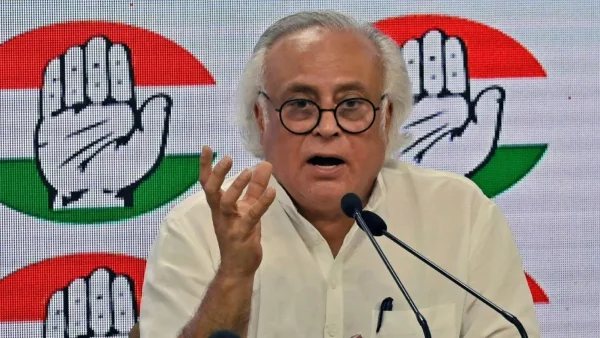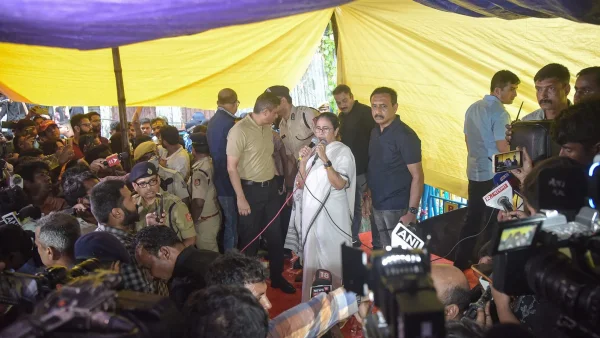
The TMC announced 23 people to run in the Assam Assembly election, while Raijor Dal’s choices were updated because of an agreement on which seats each opposing party would try to win; this meant three candidates had to drop out. Throughout the state, parties are changing their chosen candidates as they have more talks about alliances before the April 9th election.
TMC releases 23-candidate list across Assam
The TMC’s choices for candidates in the lower, central and northern parts of Assam, and the Barak Valley have been put together from previous selections. Those running include Udangsri Narzary for Baokhungri, Mominur Islam for Bilasipara, Arif Akhtar Ahmed for Jaleswar and Sherman Ali Ahmed for Mandia.
In the Kamrup area, the party has chosen Bhoglal Rabha for Boko-Chaygaon (reserved for Scheduled Tribes), Bikash Nath Yogi for Palasbari, and Rojy Ahmed (Funu Das) for Hajo-Sualkuchi (reserved for Scheduled Castes). Avijit Mazumdar will run for the Guwahati Central seat, giving the TMC a candidate in the main part of the city.
For northern Assam, the candidates are Narendra Kumar Paw for Dhemaji (reserved for Scheduled Tribes), Jiten Nag for Digboi, Dilip Moran for Makum and Inus Kumar Kandapan for Chabua-Lahowal. Paresh Borah will compete for Mariani, and the specifics of this area will be important in determining the outcome there.
In the Barak Valley, the TMC nominated Tapas Das for Udharbond, Fazlur Rahman Laskar for Katigorah and Shahajahan Laskar for Sonai. Parimal Ranjan Roy and Aziz Ahmed Khan (Ranu Khan) will run in Karimganj North and Karimganj South. The TMC also decided not to have Dulu Ahmed run in Chamaria after a change was made.
Raijor Dal revises list after alliance concessions
Raijor Dal has released a final, revised list of candidates after deciding with its opposing alliance partners which seats each would contest, resulting in the removal of candidates from three voting areas. The party has again selected its president, Akhil Gogoi, for Sibsagar and Abdur Rashid Mandal for East Goalpara, as he switched over from the Congress party.
Sherman Ali Ahmed, who recently left the Congress party, wasn’t given a place on the list, and at first, Bokakhat was left off the revised list. Later, Hariprasad Saikia was chosen for Bokakhat, replacing Ratan Dao, and Rahul Chhetry was chosen for Margherita after one of the alliance partners stepped aside.
Other Raijor Dal candidates are Abul Mian for Gauripur, Anjan Talukdar for Manas, Azizur Rahman for Dalgaon and Mehbob Muktar for Dhing. The list also contains Pradip Kumar Baruah for Kaliabor, Alok Nath for Tezpur, Dulal Chandra Baruah for Sissiborgaon and Gyanashree Bora for Mariani.
Seat-sharing dynamics and opposition strategy
These changes are happening because the opposing parties are still negotiating with each other, and they are trying to get all the votes from people who are unhappy with the current government. The Congress party has released its fifth and last list of candidates, with seven names, making a total of candidates in 101 of the 126 seats.
The Congress is running as part of a group of many parties that had planned to leave some seats for its partners, like Raijor Dal. These agreements to avoid splitting the vote are intended to reduce the number of votes going to different parties, but they also mean parties must make changes and replace candidates in the very last days before the deadline for submitting names.
Election timeline and competitive landscape
The election will be held on April 9th, the last day to submit candidate names is March 23rd, and the votes will be counted on May 4th. The current BJP-led alliance is looking for a third win in a row with Himanta Biswa Sarma as Chief Minister, while the opposing parties hope to use the strength of their alliance and local problems to their advantage.
Gaurav Gogoi (from the Congress party) and Sarma are the main people in the messages the parties are sending out during the campaign, but most of the election will be decided in each individual voting area. Parties are working harder to reach people and make their messages fit the specific areas as time runs out.
Local implications and what to watch next
The most important voting areas are the city seats in Guwahati, the Barak Valley, and the northern Assam seats with voters who are from tribal groups or work on tea plantations. Changes to who is running and candidates dropping out could change how the votes add up, especially in areas where the past election results were very close.
Because the deadline for submitting names is nearly here, parties need to quickly get their teams on the ground and working. The next few days will show if the alliances will continue, how people will react to the new lists of candidates, and what local issues will get people to go and vote in this very competitive Assam Assembly election.