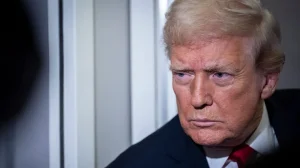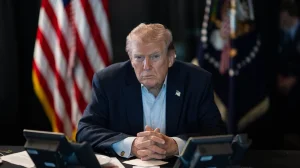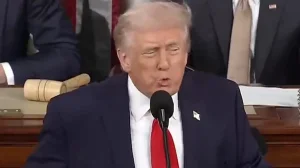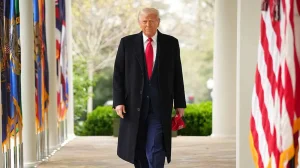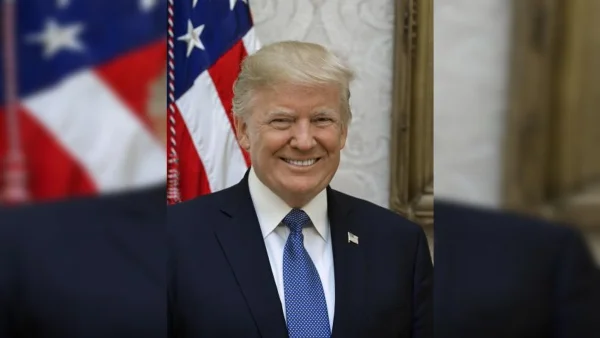
At the White House, Trump stated he had ordered Treasury Secretary Scott Bessent to end all business dealings with Spain. He also said the US would end all trade and would not support Spain’s work on how much money to spend on defense. During the same event, he faulted other allied nations for what he thought was not enough help in a changing security situation. He also put a message on Truth Social about Iran’s military strength and indicated he would be firm.
Spain has made clear it won’t allow its bases to be used for attacks not within missions already agreed to, or under the United Nations. Spanish leaders have stressed that bases under Spanish control will not aid actions against what the two countries have already agreed. Madrid has denounced the attack on Iran, but has also criticised the increasing tension. Spain’s position shows a balance between standing with democratic values and limits on taking part in military actions in the area.
To completely stop trade, the president would need permission from Congress and other government bodies.
The government pointed to a recent court ruling which it says proves the president is able to put in place trade blocks and taxes, but doing that to a major ally would cause legal and political problems. Sanctions, taxes, and selected trade blocks are all options. Each one would take a different amount of time, require legal checks, and have exceptions which would affect talks and businesses on both sides.
A trade block on its own against an ally is unusual and would have a cost in terms of how countries deal with each other.
The trouble also links to the larger argument over how much each NATO member should spend. The US has been continually asking allies to spend more on defense, and Trump tied his trade threat to Spain’s not meeting the 5 percent of GDP goal he wants. If putting on economic pressure becomes a way to get promises on defense, it could weaken NATO. Allies might see trade actions as making decisions on group safety political.
If trade with Spain was stopped, supply chains, the car industry and farming, and companies which work in many countries would all be affected. US companies which export and import could immediately lose money, and businesses would probably seek legal help and new markets. Consumers could see prices go up for goods affected. The financial markets might react to the greater danger in world politics, and companies which work across Europe would need to think again about how much risk they were taking with sudden changes in policy.
Spain could answer with its own actions, and other EU governments could react as a group, using trade or the law. What happens in reality could be anything from a deal being made on base use and clear statements on what NATO will do, to a series of smaller steps which don’t go as far as a full trade block. Private talks and NATO meetings will be important in easing the trouble.
What should be watched for next is any formal policy from the Treasury and Commerce departments and any new legal views used to justify restrictions. Statements from NATO partners on group defense spending and working as a unit should also be followed. Companies which deal with Spain should check their plans for emergencies and how goods are delivered. Investors will pay attention to what the markets are doing and any official lists of goods or services which are not allowed if the government goes ahead with trade actions.