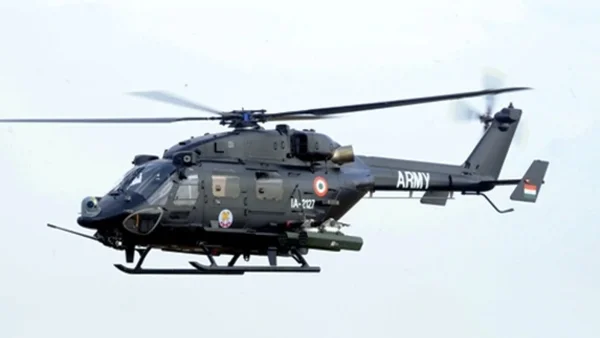
On Tuesday, India finished deals for defence items adding up to Rs 5,083 crore to make maritime security stronger; these were separate contracts for Advanced Light Helicopters (ALH) and Shtil surface-to-air missile systems. The deals are meant to increase the working range of both the Indian Coast Guard and the Indian Navy, whilst also assisting local businesses and strategic alliances.
What the Contracts Cover and What is Being Bought
The Ministry of Defence made a Rs 2,901 crore contract with Hindustan Aeronautics Limited for six ALH Mk-III helicopters which are set up for work at sea. Buying these falls under the Buy (Indian – Designed, Developed and Made in India) plan, which shows a wish to have more design and making done in the country.
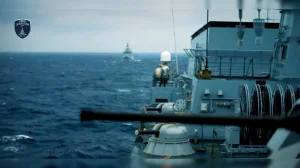
A second contract, for Rs 2,182 crore, was signed with JSC Rosoboronexport for Surface-to-Air Vertical Launch Shtil missile systems and the frames to hold the missiles. These systems will be put on the Navy’s main warships to make the ships’ defence against air attacks much better.
ALH Mk-III: What It Is and What It Does
The ALH Mk-III is a plane with two engines, and has up-to-date electronics and systems for work at sea. It can do a lot of jobs, from searching for and saving people, to watching what is going on, and can work from land stations and the decks of ships while on the ocean.
Bringing these helicopters into use will make the Coast Guard better at protecting buildings further from the shore, man-made islands, and people who fish. The sensors and communication sets on board will help with a full understanding of what is happening in the sea area, and quick reactions in coastal waters.
Shtil Missile Systems and Better Navy Air Defence
The Shtil vertical launch system can very quickly deal with air dangers at sea, in all types of weather. By putting vertical launch missiles on Navy ships, the Indian Navy will add a dependable part to its layered air defence system.
When put on the main warships, these systems will make the ships more likely to survive in sea areas where they might be attacked. The contract has missile holding frames and help with putting the system into use well, on many types of ship.
How the Economy Will Be Affected and What Companies Will Do
More than 200 very small, small and medium businesses (MSMEs) will be involved in the supply chain for the ALH project, and it is thought it will make about 650,000 hours of work for people. This helps the Make in India and Aatmanirbhar Bharat plans by increasing manufacturing in the country.
Besides the direct jobs, the contracts create chances for further work in keeping things in good repair, supplies, and improvements. Packages for performance-based supplies and engineering help for the ALH deal are to keep availability going and make the life of the plane last longer, through Indian company involvement.
What the Deals Mean for Strategy and Partnerships
Buying the Shtil missiles shows that India still has a defence relationship with Russia, based on a long-term working together and the ability of forces to work with each other. At the same time, the ALH contract shows increasing ability to rely on oneself in important sea equipment, through design and making in India.
Taken together, these buys show a two-way method: making Navy defence modern by buying some things from other countries, but also building manufacturing in the country. This balance helps with what is needed to work now, and a long-term industrial plan.
What Happens Next and Making the Defence More Modern
With the contracts signed, the next steps are making plans for production, putting things into trial, training the crews, and slowly putting them into service. Supplies and engineering help based on performance will be very important to meet targets for how much the helicopters and missile systems are available for work.
Generally, these deals make India’s sea defence stronger, and the supply chains more able to keep going. They put defence buying in line with what the country wants to achieve, combining making abilities better with economic gains for Indian companies and the wider defence world.