Agarwal, head of Vedanta, has given a serious warning: with the possible war between the US and Iran upsetting world energy markets, India really can’t put off cutting back on how much oil, natural gas, and gold it imports. In a post on X, he said that a large problem in an area that has a lot of natural resources shows what is wrong with India’s basic situation, and immediately puts inflation, the value of the rupee, and the current account at risk.
Worldwide Issues and How India is Affected
Again, energy security is the main concern, as trouble in the Middle East threatens supplies and keeps the price of crude oil unstable. India – which imports almost all the fuel it needs – is very sensitive to this instability. When prices go up quickly, it soon affects the cost of shipping things, what families have to spend, and how much profit companies make.
Agarwal’s idea is simple: the country depending on imports makes every outside problem worse. When prices increase, the amount the country has to pay for imports gets bigger, the rupee generally loses value, and pressure builds for inflation. This could make the current account deficit wider, and force the government to make hard choices about interest rates and how much money it spends.
What the Country Imports: Oil, Gas, and Gold
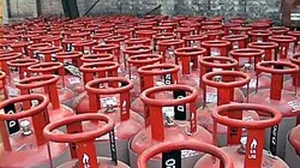
India imports about 90 percent of the crude oil it uses. This crude powers the transportation system – trucks, buses, and personal cars. That reliance doesn’t stop there, though. Roughly 66 percent of LPG – the gas people use to cook – is imported, as is about 50 percent of LNG, which powers public transport that doesn’t make as many emissions.
Agarwal says that oil and gas together cost around 176 billion dollars each year, and are the biggest parts of what the country has to pay for imports. A long-lasting increase in world prices can quickly hurt the balance of payments and raise prices at the store, hurting the average person the most through higher fuel and cooking costs.
Gold adds another area of weakness. As a traditional “safe” investment, people generally want to buy more gold when the world is uncertain. India’s gold imports – about 65 billion dollars a year – are the second largest after energy. When added together, oil, gas, and gold make up almost 30 percent of all imports – a concentration that increases the risk to the whole economy.
Agarwal’s Policy Ideas for Resource Security
Agarwal has asked that making use of resources within the country be made a national priority. His main idea: cut down on red tape, speed up projects, and increase what the country makes itself of oil, gas, and minerals. He asked the government to give the same quick treatment now given to “important” minerals to the whole area of getting resources out of the ground.
He suggested changing environmental approvals to a “self-certification” system – with strict checks and punishments later – instead of having approvals up front, which slow down investment. He also said to free projects from long public hearings, to shorten the time it takes to explore and produce.
Regarding things owned by the government, Agarwal said they should be fully used and partly sold off. At least 50 percent, he said, should go to people who have proven they can do the job, to increase output and efficiency. He stressed that employees should have shares in the company, and be promised that no one will lose their job, to make sure everyone’s interests are the same and to protect jobs during changes.
The chairman also said that having skilled people was a strategic advantage. With more young women entering the field, and experienced Indian professionals working abroad, he called for a special program to get skills back into the country for exploring, refining, and providing services.
Balancing Speed with Protection
Speeding up approvals can free up investment, but good government and protection of the environment have to stay strong. A practical middle way could include approvals within a set time, clear public information, and digital systems that track whether rules are being followed in real time. Checks after approval must be strong enough to stop people from taking shortcuts.
Working with and sharing benefits with communities is just as important. Setting goals for local employment, watching the environment, and having clear plans for helping people who are moved can help keep the support of the public while still shortening timelines. Certainty in policy and predictable rules can lower the cost of capital without lowering standards.
A Plan to Reduce Reliance on Imports
Aside from changing the rules, India needs a wide plan to reduce how much it is exposed to risk. First, expand what the country explores for and makes of both normal and unusual resources. Financial incentives, data about seismic activity, and easier access to land can encourage risk-taking by operators from around the world and from India.
Second, diversify supply and use hedging. Long-term contracts for LNG and crude oil, strategic reserves of petroleum, and more storage can lessen the impact of short-term problems. A better set of tools for trading energy – including careful hedging by government-owned refineries – can smooth the impact on the budget.
Third, speed up clean energy while increasing efficiency. Rapid growth in renewable energy, firming capacity with storage, and large-scale green hydrogen can reduce demand for gas over time. Programs to encourage the use of electric vehicles, standards for fuel efficiency, and mass transit in cities can reduce how much oil is used without taking away people’s ability to move around.
Fourth, deal with the pull of gold on the external account. Wider use of gold bonds issued by the government, better systems for recycling, and steps to make the gold market more formal can reduce demand for imports while giving families reliable ways to save.
Finally, reform pricing and shipping. Making tariffs and taxes on fuels more reasonable, expanding pipeline networks, and making the gas market deeper can lower the cost of delivered energy and encourage people to use less imported fuel.
What This Means for Investors and Consumers
For investors, clear policy on exploration, clear bidding, and faster project times could free up capital for the upstream, midstream, and mining services. Clear audit systems and strong enforcement would help lower the risk of long-term bets.
For consumers, the result is being able to bounce back. Less reliance on imports and smarter buffers mean fewer price shocks at the pump and in kitchens when world markets become unstable. That stability supports growth, protects family budgets, and makes the whole economy more confident.
Agarwal’s warning is timely. In a world that is unsettled, being self-reliant in important resources is not just something the economy wants; it is something it must have. The sooner India speeds up what it makes itself, diversifies risk, and builds buffers, the better it can deal with the next world shock.