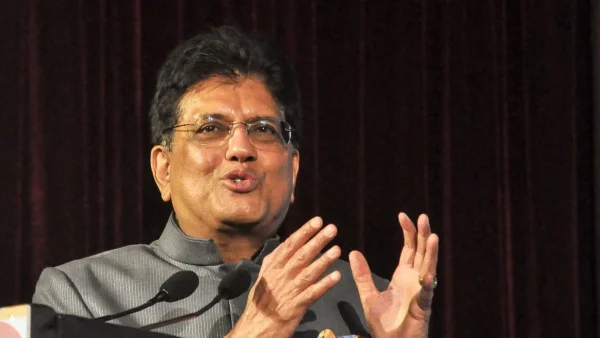
This year’s 25,000 offers are a big drop from recent years. The company says that if demand goes up, they might hire more from campuses, if they continue to win contracts. K Krithivasan, CEO and Managing Director of TCS, explained this.
To give you an idea, TCS hired 44,000 new graduates in tthe fiscal year 2026 and had hired 40,000 or more for at least three years before that. The lower number this year is because of worries about the economy, and doesn’t mean TCS is changing how it views entry-level employees.
Why Campus Hiring Still Anchors TCS Talent Model
Despite what some people think, TCS isn’t relying more on hiring people who already have work experience, and their basic way of working with clients hasn’t changed. Krithivasan stressed that new graduates are still very important to building talent at TCS for the future, even though how quickly they are brought onto projects depends on current demand.
New college grads usually get up to nine months of training before starting to work on projects. People with experience can start contributing right away. This difference affects when they’re used, but not the overall plan. How many new grads and experienced people they hire will be decided by what clients actually need and the schedules of projects.
Restructuring, AI, and Performance Benchmarks
When asked about another round of layoffs like the one in 2026 (where at least 12,000 people lost their jobs), Krithivasan said performance is what will always be most important. He believes people can have good careers at TCS as long as they do their jobs well.
He also said that Artificial Intelligence wasn’t the reason for last year’s job losses. The changes happened because of how projects are being done, which meant they needed fewer people in very senior positions. AI didn’t cause those decisions.
Krithivasan described the number of projects TCS has as being stable, and said “stable is good” given the current economic situation. He also said spending on things companies choose to do (instead of have to do) is starting to get better – this kind of spending has been down for several quarters across the industry.
Demand Outlook: Stable Pipeline, Better Conversions
New opportunities are coming up in many areas and in different parts of the world, including helping companies cut costs and completely change how they operate. In the fiscal year 2026, TCS got about $40 billion worth of contracts, and they’re getting better at turning those contracts into actual income. Clients are agreeing to let TCS do more of their work, and more clients are becoming big revenue sources.
Investments, Margins, and Financial Markers
TCS is investing in three main areas: buying specific companies to get more skills, making strategic partnerships, and continuing to invest in their people. Their recent partnership with AMD is an example of working with another company to create the next generation of computing and engineering services.
Samir Seksaria, the Chief Financial Officer, said TCS will continue to increase its profit margins by making their operations more efficient. Using their workforce effectively helped in 2026 and is still a key thing to focus on, along with keeping costs under control, the mix of employees, and how efficiently they deliver work. They gave everyone a raise (of varying amounts) starting in April.
TCS ended the fiscal year 2026 very strongly. In the fourth quarter, their income went up 9.6% compared to the year before, to 70,698 crore rupees, and their net profit went up 12% to 13,718 crore rupees. The board of directors has approved a final dividend of 31 rupees per share, but shareholders have to approve this at their Annual General Meeting.
At the end of fiscal year 2026, TCS had 584,519 employees, a little more than the quarter before. Employees leaving the company went up to 13.7% (from 13.5%), but is still much lower than it was at its highest point. Management is still concentrating on giving employees more skills and using them effectively.
What It Means for Graduates and Investors
For new graduates, the outlook is cautiously optimistic. TCS has 25,000 offers, and may offer more if demand goes up. Those who get a good understanding of cloud computing, data, engineering and business systems, and who can adapt during their training, are likely to do well.
Investors are being given a message of careful optimism. A consistent flow of projects, improvements in turning deals into income and $40 billion of contracts in 16 all suggest they can see what’s coming. Ways to increase profits, carefully chosen company purchases and partnerships all support long-term plans. Reducing the speed of hiring new grads is about being careful with money, and doesn’t mean TCS is giving up on growing.
In short, TCS is adjusting how many new college graduates they hire to match demand, but are not changing their core way of doing business. A stable amount of work coming in, better turning contracts into income, and sensible investment plans all suggest steady progress, with the flexibility to hire more people when the economy allows.