In fact, when lots of people were hesitant to buy because of the uncertain world situation and the slowing of the Indian luxury car market, Mercedes-Benz India increased sales. They’ve really strengthened their position at the high end, showing that a focus on quality and careful planning can do better than just trying to sell lots of cars like they do in Detroit.
Premiumisation reshapes India’s luxury car market
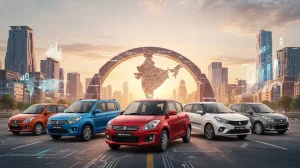
Overall, growth in the Indian luxury car market was around 3%, but demand for the most luxurious cars didn’t just hold steady, it went up. This difference is now the main thing to notice about the higher end of the car market in India.
And at the centre of this change is Mercedes-Benz India. They sold 19,363 cars in the 2025-2026 financial year, which is the most they’ve ever sold in a year. While other companies reported fewer sales, Mercedes focused on selling more expensive cars and had success at the very top of the market.
This isn’t about selling as many cars as possible, whatever it takes. It’s about carefully choosing what cars to offer, controlling how many are available, and making the brand seem very high-quality; where people with a lot of new money and those wanting to show off still spend, even when the news is bad.
Mercedes-Benz India’s playbook: value over volume
Mercedes-Benz themselves call this ‘value over volume’, and the sales figures prove it’s working. They’ve balanced three different parts of their business: their standard models for consistent sales, very luxurious cars to get higher prices, and cheaper entry-level models which they aren’t pushing quite as much.
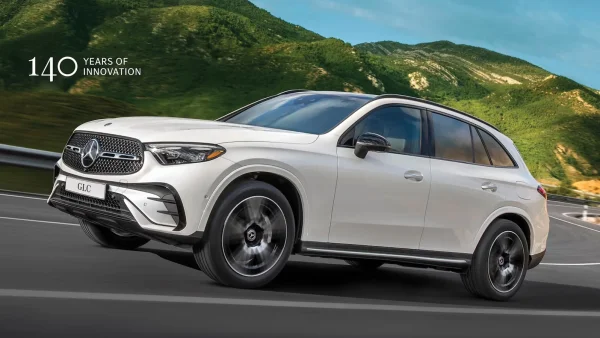
The standard models (like the C-Class, the longer E-Class, and the GLC and GLE SUVs) continued to sell well. The longer E-Class remained the best-selling luxury car in India, proving people really like that model.
At the very expensive end, being unique and being able to customise the cars were key. Some models like the AMG G63 and the Maybach S-Class had a 12-month waiting list – a very clear sign that people with a lot of money want to buy them, and can’t get them fast enough.
The cheaper luxury cars, on the other hand, had problems. People who are careful about price put off buying, and Mercedes’s sales of entry-level cars went down by 18%, which is what’s happening across the industry at the lower end of the luxury car market.
Top-end performance and product mix
Mercedes-Benz’s sales of those top-end luxury cars increased by 16% in the 2025-2026 financial year. These expensive cars made up 27% of all their sales for the year. And sales got even faster in January to March, increasing by 25%.
This change in what’s selling is important. It increases the average price of a Mercedes sold, helps their profits, and protects the company when the general economy isn’t doing as well. The main S-Class, the extremely luxurious Maybach cars, and the fast AMG cars were all important in this.
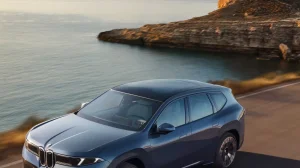
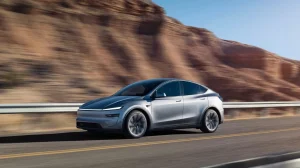
However, other companies said demand slowed down at the end of the 2025-2026 financial year and into the start of the 2026-2027 financial year. Problems around the world, including issues in the Gulf area, made people less confident and affected the lower end of the Indian luxury market. This made the difference in performance between Mercedes and others at the very top of the market even bigger.
Electric vehicles power the premium push
Another important part of Mercedes’s plan in India is electric cars. Battery electric vehicles made up 20% of their top-end sales in the 2025-2026 financial year. More expensive electric cars (over 1.4 crore rupees) increased by 85%, showing that wealthy buyers are now willing to go electric if the car and the experience of owning it are good.
The EQS SUV is now one of the best-selling luxury electric cars, being both quiet and having the prestigious Mercedes badge that buyers want. This puts Mercedes in a leading position in the luxury electric car market as people move from just thinking about electric cars to actually choosing them.
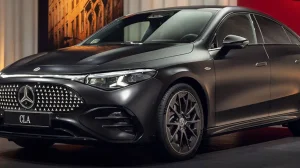
And they’re planning even more electric cars. The upcoming electric CLA will be available to more people, with a modern design and technology that will attract those who want to be seen as having good taste. Although generally, people aren’t all rushing to buy electric luxury cars, Mercedes has managed to sell a lot to those who are willing to pay more.
Even at the high end, having places to charge and how much it costs to own the car are still important. But people with a lot of money buying very luxurious cars are more interested in being innovative and exclusive, allowing Mercedes to control the conversation and stay ahead.
Retail expansion and customer experience
Mercedes also believes in having a wide network of dealerships and a high-quality experience when you buy a car to keep things going. They plan to open over 20 new luxury showrooms in 2026, with over 450 crore rupees being invested by their partners.
This expansion isn’t only in major cities. New showrooms in places like Visakhapatnam and Varanasi will bring the brand to rapidly growing areas where people are getting wealthier. At the same time, improving their main showrooms in big cities will keep the high standards that get people to come back.
In this market, the showroom is the strategy. People’s decisions to buy are as much about how they feel when they deal with the brand, how transparent the process is, how much the car is personalised, and the after-sales support, as about the engine power. Mercedes’s focus on the quality of their network is meant to create that ‘luxury’ feeling.
Outlook: strength at the summit, caution below
It’s likely that the Indian luxury car market will continue to have two speeds. Demand for extremely luxurious cars looks strong because of increasing wealth, more people selling their businesses and becoming rich, and a desire to have products that stand out. However, the cheaper end of the luxury market may still be affected by the economy and interest rates.
Global problems aren’t going to disappear quickly. This means the whole industry isn’t likely to grow much in the near future. But Mercedes’s focus on the most expensive cars, leading the way with electric cars, and a very careful customer experience offers some protection against these ups and downs.
There are still some risks. Problems with the supply of parts, changes in exchange rates, and changes in government rules about electric cars could cause difficulties for even the best companies. However, the way Mercedes carefully manages what they offer, when they release new products, and their investment in their network gives them a safety margin that many of their competitors don’t have.
The main point is clear: in the 2025-2026 financial year, while the market generally slowed down, Mercedes-Benz India sped up in the areas that matter most. By really focusing on expensive cars, electric cars, and the buying experience, they turned a difficult period into something to show off. And that’s how you deal with a slowdown with style.