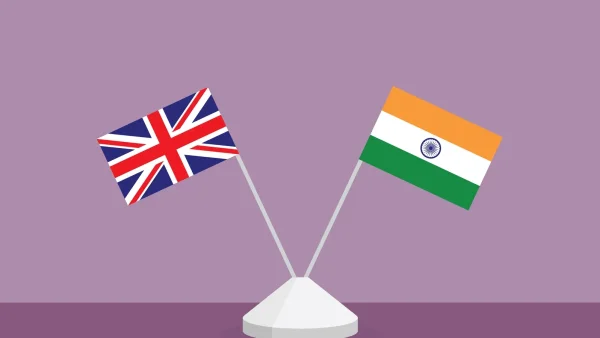
Government sources say India and the UK will start using their trade agreement in the second week of May. This will mean 99% of exports from India can come into the UK without any import taxes, and many goods from the UK coming into India will have their tariffs lowered. Related rules about temporary workers and social security payments will be in place at the same time.
Agreement Basics and Timeline
The trade agreement, which was signed last July, is meant to lower import taxes, make customs procedures simpler, and make it easier for companies to sell their products in each country. Officials believe this agreement, along with a separate agreement on social security payments, will both be working in May. The goal is to make trade simpler and to encourage investment in both directions.
To put the agreement into action, both countries have to go through legal and administrative changes. This includes customs processes, checking where products originally come from, and updating lists of tax rates. Businesses that export and import will have to change their paperwork and shipping arrangements to get the benefits of the lower tariffs. The authorities are planning to inform businesses in all industries about the new procedures.
Zero-Duty Exports: Which Indian Sectors Benefit
Exporters of items like clothing, shoes, jewelry, sports equipment, and toys in India will have a much easier time getting their goods into the UK. Engineering goods, seafood, leather items, and parts for electronics will also have their tariffs reduced to zero for many types of product. This will make the total cost of getting these goods to the UK lower, and make them more competitive.
Getting access to the UK market without paying import taxes could lead to more orders for smaller and medium sized Indian manufacturers and exporters who sell to shops and wholesalers in the UK. Companies that make a good quality product, follow the rules, and deliver on time will be in a good position to get more valuable contracts. Increased exports could create jobs in manufacturing areas of many Indian states.
Cheaper Scotch, Gin, and Other UK Imports for Indian Consumers
The agreement will significantly reduce the taxes on British drinks. The taxes on Scotch whisky and gin will go down from 150% to t5% right away, and then to 40% in ten years. As the taxes fall, the prices in stores should also fall, and more expensive brands will become available to more Indian consumers.
On average, import taxes from the UK will fall from around 15% to about 3%, and 85% of goods from the UK will be free of taxes in ten years. For example, a bottle of Scotch that costs 5,000 rupees might become a lot cheaper when the taxes are lowered. Reductions in tariffs will also affect makeup, medical equipment, and certain foods and drinks.
Automobiles, EVs, and Quota Rules
India will allow a certain number of British electric and hybrid cars to be imported, and will reduce the taxes on all cars to 10% over five years (they were as high as 110%). The gradual import limit is designed to make sure British cars are available to consumers, while still helping India’s own car industry. Imported cars could become much cheaper, and some are predicted to drop in price by almost 48% for certain types.
The agreement also has ‘rules of origin’ and gradual import limits to protect Indian manufacturers. Indian car companies and their suppliers might invest more in making electric vehicles in India to keep up with the demand and continue to be part of the production process. The government will probably keep a close watch on trade to see if it causes problems or job losses.
Economic Impact, Targets, and Next Steps
The agreement is designed to double trade between India and the UK from around $56 billion to a higher amount by 2030, through lower tariffs and making trade easier. In addition to goods, the agreement is intended to increase services, investment, and cooperation in areas like new technology and environmentally friendly energy. A ‘Double Contributions Convention’ will stop people who are working temporarily in one country from having to pay social security contributions in both countries.
Businesses should start getting ready now by checking how their products are classified, making sure they meet the ‘rules of origin’ and changing their prices. The governments will have to supervise how the agreement is being used, settle any disagreements that happen in particular industries, and inform businesses about what is happening. If the agreement works well, it could change the way trade happens and make the economies of India and the UK closer.