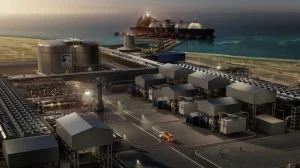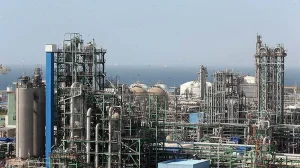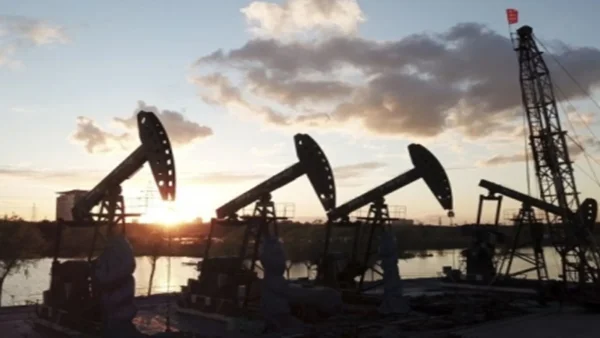
Saudi Arabia says that the two energy locations on the East-West pipeline are working at full capacity again after a series of attacks slowed down production and shipping. The Ministry of Energy posted on X (formerly Twitter) that the East-West line is pumping about seven million barrels daily, and Manifa’s 300,000 barrels a day are also back. Work continues at Khurais to get another 300,000 barrels a day going.
Details of the East-West pipeline recovery
The East-West pipeline is a major pipeline within the country that connects oilfields in the east to the Red Sea and can carry as much as seven million barrels each day when it’s completely functioning. Before repairs, one of the eleven pumping stations had been damaged, lowering the amount of oil going through by about 700,000 barrels per day. But, after fixing it and doing other technical work, the pipeline is now pumping at full capacity.
Getting things running again took a lot of combined work from the Saudi oil company and the companies they work with. Work crews fixed the physical structures, adjusted how the oil flows, and made sure all the safety systems were working before restarting everything. This shows how complicated it is to move millions of barrels of oil through the 746-mile pipeline.
Production recoveries at Manifa and Khurais
According to the Ministry of Energy’s post, Manifa oilfield is producing around and 300,000 barrels a day after being affected by the attacks. This quick return of oil from Manifa helped make up for some of the temporary shortage caused by the damage to the places where oil is transported and processed.
Khurais is where the work crews are concentrating their efforts now, and officials believe it will add approximately another 300,000 barrels per day when it’s fully operational. Restoring Khurais will increase the country’s overall oil production and get exports back to normal for customers who have been buying oil for a long time.
Operational resilience and crisis management
The speed of the repairs show how well the country can deal with a crisis and how strong the energy system is. Being able to quickly get repair crews, parts and supplies to the location prevented a longer stoppage of oil which could have made the world’s oil shortage even worse.
The Saudi oil company was the main group organizing the recovery, planning for problems, and letting people know how much oil could be moved. Officials said the repairs are to protect both the oil needs of the country and make sure the world continues to have energy, by keeping the oil flowing.
Global market reactions and supply implications
Initially, the attacks reduced the world’s oil supply and caused the price of oil to go up, briefly going over $100 a barrel because people were worried about the supply being interrupted for a long time. The price of natural gas and shipping insurance also went up, putting more stress on countries that need to import these things and contributing to the general increase in prices.
With the pipeline and Manifa producing oil again, the market may become more stable. However, analysts warn that remaining damage, changes to export plans, and problems in the region could continue to cause changes in the price of oil. Oil traders and refineries will be looking at how much oil is going through the pipeline and how much is being shipped to reassess the amount of oil available.
Security context and regional consequences
These attacks were part of a larger number of attacks on oilfields, refineries, gas plants, and pipelines throughout the Gulf area. Facilities in the east were of particular concern because they are close to the main shipping routes and the oil export infrastructure that can go around the Strait of Hormuz if needed.
Countries in the area have changed their security plans and are strengthening their defenses and logistics as a result. More planes have arrived at air bases in the east, which is a bigger effort to protect energy facilities and the sea routes that support world trade and supply chains.
Outlook and next steps for supply stability
In the future, the focus will be on finishing work at Khurais, confirming the pipelines and pumping stations are completely sound, and getting any exports that were stopped back on schedule. Being open about how much oil is flowing and being shipped will be important to calm the markets and reassure buyers.
While these quick repairs have lowered the chance of a long-lasting shortage, issues with the political situation in the region remain. Countries that buy oil, investors, and insurance companies will continue to consider security and how things are working when they make plans for buying, making deals, and reducing risks.