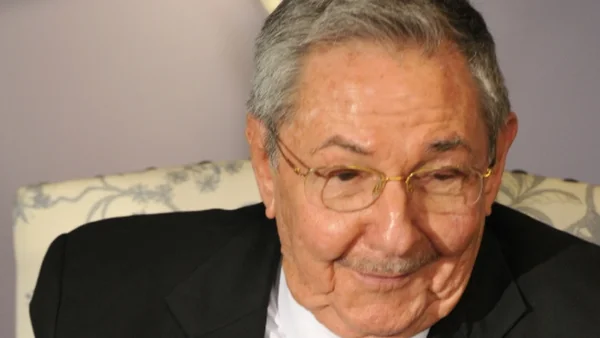
A senior official in the Trump administration made the news public on Wednesday. According to a Justice Department source, you can trace the charges back to when some of Raul’s men in the air shot down aircraft being flown by exiles in 1996. To mark the occasion, the Miami US Attorney’s Office will be holding a 1 p.m. EDT (1700 GMT) ceremony for the victims, with the Justice Department set to make its own statement then.
Trump has been uncharacteristically blunt about it. “America will not put up with a rogue state 90 miles from our home that is home to hostile foreign military and terror operations,” he said. Back in March he was at it again, saying after Venezuela, Cuba is in his crosshairs, in line with his drive to see a change of regime in Havana.
It is not often the US indicts a foreign head of state, but this fits with what we’ve seen from the Trump-era Justice Department in going after enemies on both sides of the border. Then there is the matter of the de facto blockade Washington has put in place by threatening to sanction anyone who ships fuel to Cuba, which has led to blackouts.
You could call it a squeeze, and one that has made for what some say is the worst of times in Cuba for a long while. This indictment is a legal hammer on top of the economic ones, and it may make other nations think twice before they do business with Havana. That means more for the average Cuban to put up with when it comes to power, food and fuel.
Havana has been quiet on the front of the indictment. But on May 15, Foreign Minister Bruno Rodriguez made his position clear. “In spite of the embargo, the sanctions and the talk of force, we are moving forward on our own terms to build our socialist future,” he put it.
Competing messages: pressure and aid
With all this in the air, Secretary of State Marco Rubio put out a video to the Cuban people, saying the US was open to mending fences and even putting up $100 million in aid. He put the onus on their leaders for the lack of supplies and suggested the Catholic Church or some other charity step in to get food and medicine where it needs to go.
Rodriguez didn’t mince words in response. He called Rubio “the mouthpiece for vengeful and corrupt interests.” He left the door open for help, though. “He is always on about a 100 million dollar package we haven’t turned down, but you have to be blind not to see the cynicism of it given the stranglehold they have on us,” he wrote.
Miguel Diaz-Canel, the current president, has also put a word in. On Monday he said if the US were to take any military action, it would be a “bloodbath,” and he was firm that the island is no threat.
What the case echoes
There is a parallel here with the case of Nicolas Maduro, the Venezuelan leader and friend of the Castros who is in prison on drug charges. The administration pointed to that to explain the January 3 raid in Caracas that brought him to New York. He has denied the charges.
What to watch next
If the Castro case is about the 1996 shoot-down, it is bound to stir things up in the exile community in Miami. The Justice Department’s timing with the victim’s service is no accident; it is meant to have some weight.
Several developments will indicate how the confrontation evolves:
– Details of the charges announced at the Miami ceremony
– Cuba’s official response from Havana beyond prior defiance
– Reactions from regional allies aligned with Cuba
– Whether the $100 million aid offer gains traction
– Any further US sanctions affecting fuel supplies
Castro’s enduring role in Cuba
Raul was there in 1959, of course. Born in ’31, he was in the field with Fidel in the war against the Batista regime and later as defence minister he was part of the team that put down the Bay of Pigs. When Fidel got sick in 2008, Raul took over. Even after he left the presidency in 2018, following his brother’s death in 2016, he is still very much a force in the system he helped put in place.
So for the US, this is about making inroads on the regime. For the Cubans in Havana and across the water in Florida, it is a case that is now part of the fabric of their lives.