As the temperature goes up, it’t harder on people with kidney issues. Doctors are saying to make simple changes every day to avoid dehydration, keep blood pressure steady, and to reduce the work your kidneys have to do. The main points are how much liquid you get, when you do things, and the small decisions you make throughout the day to avoid problems.
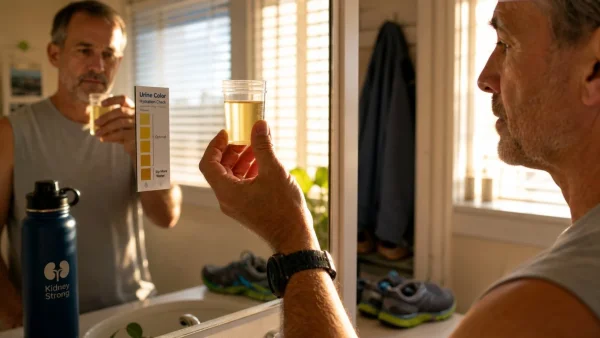
Kidney doctor Anupam Roy says staying hydrated is the first and best thing to do in this weather. He says to easily check your fluids by looking at your urine. If it is pale, you’re getting enough liquid. If it is dark, you need to drink more.
Why heat stresses kidneys
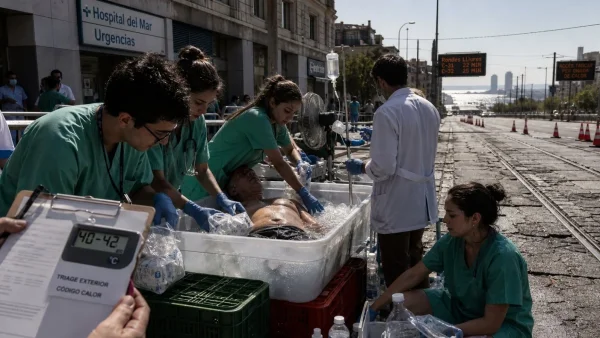
Hot weather makes you sweat more, and that takes water and salt from your body. When you have less liquid, your kidneys have a harder time getting rid of waste. For people who already have kidney disease, this extra stress can cause a problem very quickly.
It’s still important to exercise, but you must be careful about the heat. Sweating a lot in the strong sun can cause dehydration. Moving walks, exercise, or errands to the early morning or evening makes it easier on the kidneys, and you don’t have to give up being active.
Spot warning signs early
Your body usually gives you a warning before something serious happens. Doctors say to pay attention to what your body tells you when you go to the bathroom. Dark urine, or a significant decrease in how much you pee, are signs that your kidneys might be struggling.
If you notice these signs, stop doing anything too active and drink more fluids unless your doctor has told you to limit how much you drink. Get medical help quickly, especially if the problems continue or if you’ve been sick with throwing up, diarrhea, or a fever.

Eat and drink smarter
Getting enough liquid isn’t just about drinking from bottles. Summer foods can help you get hydrated. Adding juice from fruits and vegetables in season can help you get fluids. Watermelon and cucumber juice are particularly good because they have a lot of water and important nutrients.
Controlling salt is just as vital. Doctors say salt really affects blood pressure, and that can lead to kidney stones. Using less salt in fast food and your meals at home reduces how much fluid your body holds onto and reduces the pressure on your kidneys when it’s hot.
If you are on a plan to limit your fluids, speak with your kidney specialist or a dietitian before you start drinking juices. They can help you get enough liquid to match your specific medical requirements, without overwhelming your system.
Handle painkillers with care
Ibuprofen and Naproxen, common painkillers, can be bad for your kidneys if you use them a lot, and the risk is higher if you are dehydrated. Doctors suggest asking your doctor before taking these medicines, especially in hot weather or when you are ill.
Trying to treat yourself with medicine during a heatwave can have the opposite effect. If your aches and pains don’t go away, ask your healthcare team for safer options that are suited to your situation and how hydrated you are.
Action plan at a glance
Use this quick checklist to stay kidney-safe in summer:
– Check urine color; light means well hydrated.
– Plan exercise in early morning or evening.
– Pick watermelon or cucumber juices in summer.
– Cut salt in fast food and meals.
– Avoid regular Ibuprofen or Naproxen without advice.
– Seek medical help for dark urine or low output.
Looking after your kidneys in summer is about doing the same things consistently. As Anupam Roy says, even just checking your pee color can help you drink enough liquid. Kidney doctors like Manisha Arora say these small steps, when done all together, help your kidneys work well throughout the hot and humid months.
The important thing to remember is to be careful of the heat, listen to what your body is telling you, and plan your day to protect yourself, not just to get things done. If you hydrate carefully, eat a little smarter, and are careful with medication, people with kidney issues can get through the season with more security.