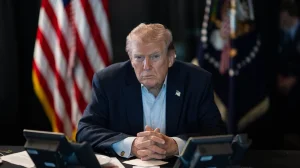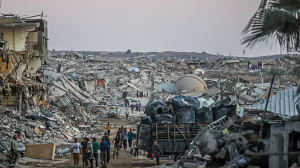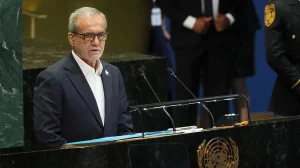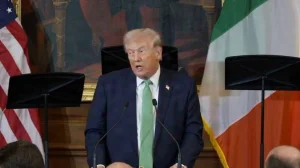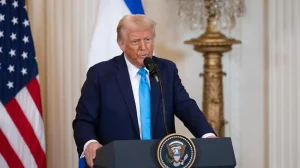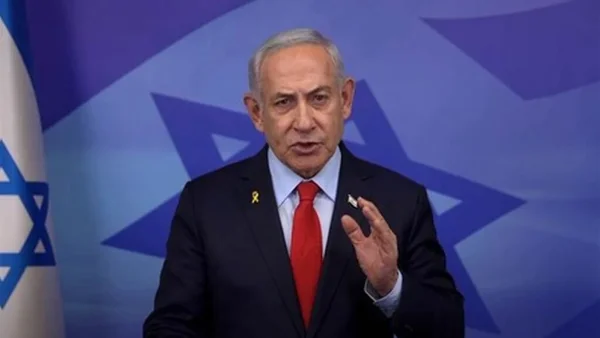
You could call it a calculated escalation. Lawmakers are getting ready to put to a vote a measure that puts a price on the lives of Donald Trump and Benjamin Netanyahu, one that could very well unnerve a tenuous truce and make back-channeling more of a chore.
Parliamentary bounties amid a tenuous pause
In effect, Tehran is looking to put a check in the mail for anyone who would do away with the two men. The idea is on the table as tempers are still running hot after some late-winter airstrikes and the ceasefire process has hit a wall.
It all goes back to 28th February, when joint US-Israeli action put an end to Ayatollah Ali Khamenei. The reverberations have been felt in Tehran, where hardliners are making their case for a show of force.
What the proposed law would do
Ebrahim Azizi, head of the national security commission, says they are putting together a bill he calls ‘Reciprocal action by military and security forces of the Islamic Republic.’ Under it, 50m is on offer to any party that can see to it that Trump or Netanyahu are assassinated.
Azizi is open about why. “As Trump ordered the killing of Ali Khamenei, he himself should be dealt with by every Muslim and every free person,” he said, also singling out US Central Command’s Admiral Brad Cooper as being in the crosshairs.
From fatwas to formal legislation
For officials in Tehran, this is a way of moving past the fatwas and the talk and making it a matter of record. It is an effort to put a statutory face on retribution while the diplomats are at work.
Then there is Mahmoud Nabavian of the same commission, who says a vote is coming for a reward for whoever “sends Mr Trump and Netanyahu to hell.” He has put out a warning: if the attacks on us start up again, the answer will be “devastating.”
Here are the key statements officials have pushed in recent days:
– The reward targets Trump and Netanyahu
– A vote on the proposal is imminent
– Any renewed attack would trigger a devastating reply
Ceasefire talks, mediation, and leverage
And yet, you have Iranian functionaries telling you that behind-the-scenes with the US are moving along, with Pakistan in the middle of it. They say they have put in a reply to a new American overture to put an end to the present row.
The Americans’ side of the ledger, so we are told, is not to pay for war damages, to give up on enriched uranium and to hand over less than a quarter of what they have in frozen assets. If the reports are right, there is a chasm between what each side wants.
Escalation risks and the security backdrop
There has always been bluster from Iran toward Washington and Tel Aviv, but a bounty with the state’s stamp on it is something else. And the danger is no longer theoretical; ever since the second time someone made a move on Trump in Florida in 2024, US officials have been on higher alert for any shenanigans from Iran.
The mood inside Iran has soured. Back in March, Ali Larijani, then running the National Security Council, put out a message that Iran had no use for “empty threats” and told its enemies to be wary of being “eliminated.” He didn’t get to see much beyond that; he was taken out in an Israeli strike.
Why this matters now
So if the 50m plan gets the nod in parliament, it will be a clear break from the old ways of doing things. It will put a strain on the whole notion of a ceasefire by making it personal.
Trump has made his position known. He has said he has left word that if Iran tries to put him under, his opponents will be “obliterated.” He has even talked of “very strict orders” to “wipe them off the face of the Earth.”
Where we go from here is a matter of timing. You have the legislative clock in Tehran and the pace of the talks. A vote in favour of the bounties could make the negotiators put down their pens and send us back to the edge.