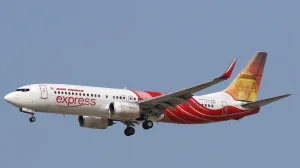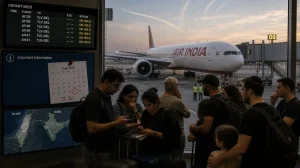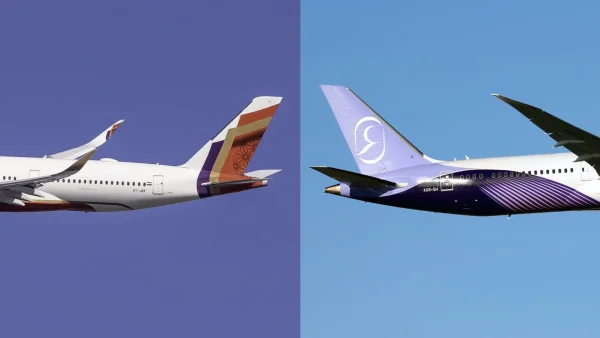
They didn’t wait long to make it happen. On June 4th, the two airlines put pen to paper on an MoU to formalise a codeshare and interline. It’s all about getting a firmer grip on the India-Saudi demand with better connectivity and single-ticket options, so they can turn what’s a lot of traffic into some hard-earned market share.
Put simply, by making the most of their hubs in Delhi, Mumbai and Riyadh, they want to put more travellers on streamlined routes. It’s a plan that will be put to the test by the authorities, but if it goes through, you can expect tighter schedules and a simpler way to get from one side to the other in these two up-and-coming markets.
A partnership built for network reach
What we’re talking about here is the ability to book on either airline with one ticket and enjoy a smoother ride through those three hubs. The carriers are touting this as a way to open up not just the India-Saudi route, but also to places further afield on each of their networks.
From a strategy point of view, it gives Air India some heft in the Middle East and hands Riyadh Air a made-to-measure entry to India. They see it as a no-fuss way to grow and to back up the kind of economic and tourism relations you’d want to see.
Who benefits and how
For the person in the seat, it’s straightforward: fewer headaches, better times and more flights. We’re talking about through check-in and transfers that don’t add to the day’s stress. The airlines point to the kind of people who are making business or family trips as the ones who will see the value in this.
Timing and competitive context
You won’t be surprised to hear that since going private in 2022, Air India has been all over the board with its partnerships. There are 25 codeshares and well over 120 interlines in place, opening up 1,000 plus destinations. This with Riyadh Air is the next logical step in a part of the world where demand is picking up.
Riyadh Air is in pre-launch mode. They’ve already started taking bookings for the run to London Heathrow, with the first service coming in on July 1st. As the airlines put it, it’s another way for an Indian to get to the UK or Europe via Riyadh.
Beyond seats: loyalty, cargo and tech
The MoU is more than just about who sits where. The idea is to look at things like reciprocal loyalty perks, working together on cargo and some digital side of things. The objective is to make the whole process, from racking up miles to your bags, a better one.
Here is what the airlines are after:
– Get the codeshare and interline off the ground (regulatory permitting)
– A single booking for both sides of the fence
– Better onward travel from Delhi, Mumbai and Riyadh
– Some extra for the frequent flier
– Some coordination on the cargo and ops side
What happens next
This is the groundwork for something bigger, but it does need to be signed off. When it is, we should start to see some of these integrated options come to life, with a little more in sync across the board on operations and tech.
Campbell Wilson, CEO of Air India, puts it down to growth. “India and Saudi Arabia are two of the key markets out there right now,” he says. “The scale and momentum makes this a natural fit. We are looking to put our strengths together with Riyadh Air and make the experience better for the traveller.”
Tony Douglas, head of Riyadh Air, has called India “one of the most dynamic” of any market. He sees this as a defining moment for his airline’s mission to put Saudi Arabia on the global map. “We want to offer a seamless, world-class product,” he says, “in keeping with the ties we have here.”
It’s a matter of interest for both. Air India is putting its post-privatisation muscle to work in a hot corridor; Riyadh is staking its launch on the volume of India’s outbound. Once the green light is given, we’ll see how fast they can put some good, solid schedules in front of us.